Why Maya Global Pipeline Services Are Essential for Long-Term Infrastructure Care
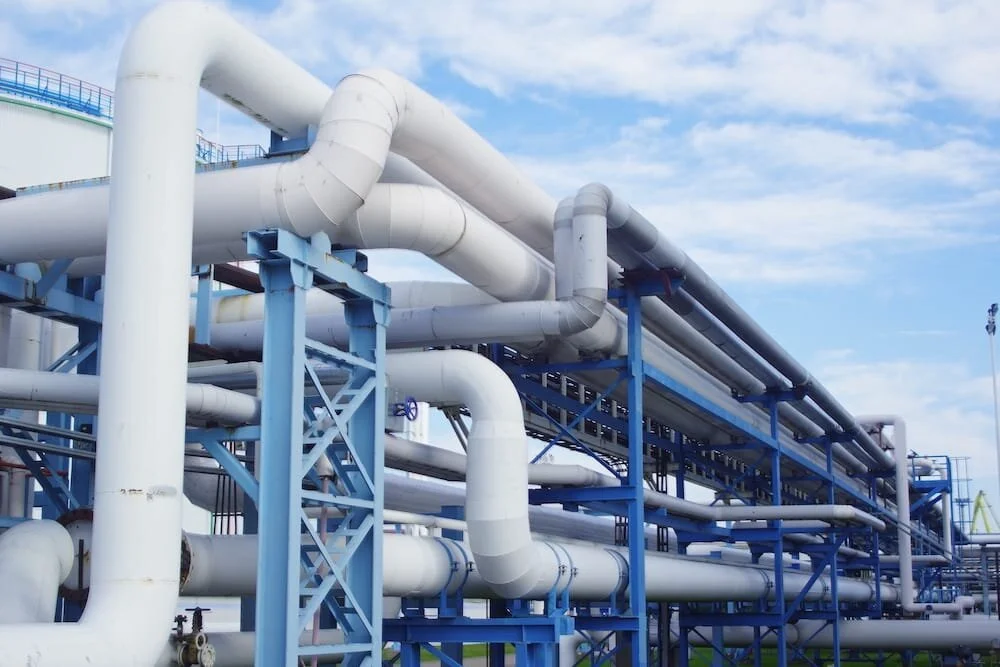
Pipelines are often hidden underground, behind walls, or inside facility systems. Because they are not always visible, problems can develop quietly. A small leak, blockage, or weakened pipe section may go unnoticed until it causes service disruption or expensive damage.
Long-term infrastructure care requires more than emergency repairs. It requires consistent inspection, condition assessment, planning, and rehabilitation when needed. Professional pipeline services help organizations understand what is happening inside their systems before failures become severe.
The Role of Pipeline Services in Asset Management
Pipeline services support the full life cycle of infrastructure. They can help identify damage, evaluate system condition, plan rehabilitation, and recommend repair strategies. This gives decision-makers better information before they spend money on major work.
With Maya Global pipeline services , infrastructure managers can explore solutions that support pipeline performance, restoration, and long-term system reliability.
Common Pipeline Risks
Pipelines may face many risks over time. Corrosion, blockages, pressure changes, ground movement, aging materials, joint failure, and internal buildup can all affect performance. If these risks are ignored, they may lead to leaks, reduced flow, property damage, or service interruptions.
The challenge is that pipeline problems are not always visible from the surface. This is why professional inspection and testing are important parts of pipeline care.
Why Preventive Care Is Better Than Emergency Repair
Emergency pipeline repair is often expensive because it happens under pressure. Teams may need to respond quickly, restore service, manage complaints, and control damage. Preventive care gives organizations more control.
When issues are identified early, managers can schedule work, compare repair options, plan budgets, and reduce disruption. This is especially important for cities, utilities, industrial facilities, and commercial properties where downtime can affect many people.
Services That Support Pipeline Health
Effective pipeline care may include inspection, condition assessment, non-destructive testing, leak detection, rehabilitation planning, repair recommendations, and preventive maintenance. Together, these services help reduce guesswork and support better infrastructure decisions.
A service-based approach also helps organizations prioritize which pipes need immediate attention and which can be monitored over time.
How Pipeline Services Support Better Budgeting
Budgeting for infrastructure is difficult when teams do not know the real condition of their pipelines. Professional pipeline services help by identifying risks, documenting system condition, and recommending practical next steps. This allows organizations to plan work before problems become urgent.
Better information can also prevent overspending. If a pipe can be rehabilitated, full replacement may not be necessary. If a pipe is too damaged, early identification gives teams time to budget properly and reduce emergency decisions.
What to Look for in a Pipeline Service Partner
A reliable pipeline service partner should understand inspection, condition assessment, rehabilitation planning, and practical field constraints. The provider should help explain the issue clearly and recommend solutions that fit the infrastructure, not just the most expensive option.
Organizations should look for clear communication, practical planning, and the ability to support both immediate repair needs and long-term system care.
Where Pipeline Services Are Most Useful
Pipeline services are especially useful in systems with aging assets, repeated maintenance issues, uncertain pipe condition, or planned infrastructure upgrades. They are also valuable before major budget decisions because they help managers understand what work is truly needed.
For local infrastructure owners, pipeline services can support better communication with stakeholders. Clear assessment results make it easier to explain why repairs, rehabilitation, or monitoring may be necessary.
Step-by-Step Planning Approach
A strong pipeline service plan should begin with asset review. Teams should identify critical pipelines, review repair history, and determine which areas have the highest risk. From there, inspection and testing can be scheduled based on priority.
This planned approach helps organizations use their budgets more effectively. It also reduces the chance that important pipeline decisions are made only after a major failure has already happened.
Frequently Asked Questions
What are pipeline services?
Pipeline services are professional inspection, testing, maintenance, repair, and rehabilitation solutions used to manage pipeline condition and performance.
Why are pipeline services important?
They help detect issues early, support better repair decisions, reduce emergency costs, and extend the useful life of infrastructure.
Who needs pipeline services?
Utilities, municipalities, industrial facilities, commercial properties, developers, and infrastructure managers may need pipeline services.
Final Thoughts
Pipeline services are essential for long-term infrastructure care. By identifying problems early and choosing the right rehabilitation strategy, organizations can protect critical systems, control costs, and reduce service disruption. Strong pipeline care is not only about fixing damage. It is about managing infrastructure responsibly over time.













Post Comment