Gamer Challenger: How to Master Competitive Gaming
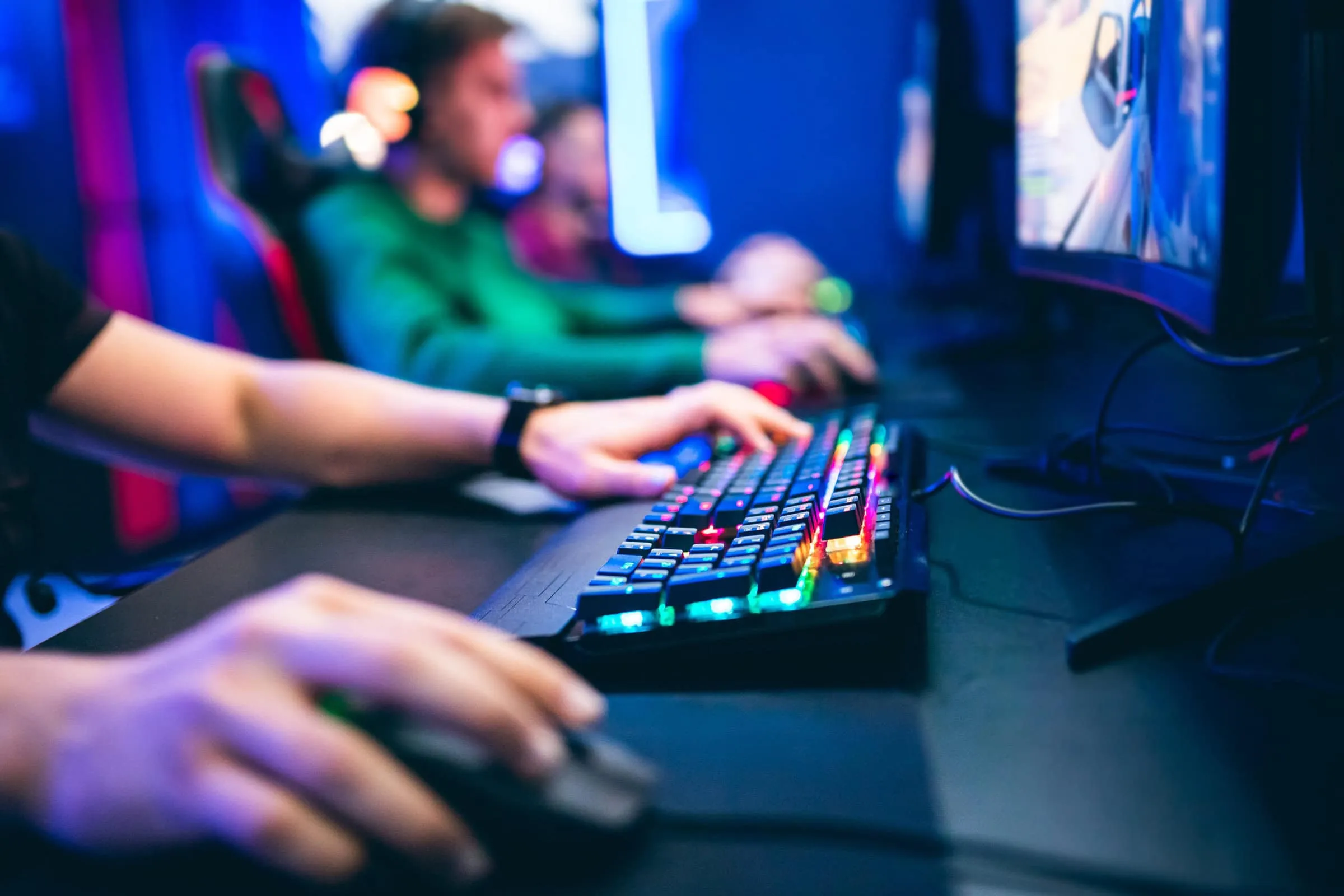
Gamer Challenger—a player who goes beyond casual play, focusing on skill mastery, strategic thinking, and continuous improvement. Unlike recreational gamers, a challenger treats each match as an opportunity to grow, adapt, and outperform opponents.
Understanding competitive gaming beyond casual play is crucial, especially in today’s booming esports scene. This article will guide you through the mindset, skills, strategies, and tools necessary to excel as a challenger, helping you turn passion into mastery.
What is a Gamer Challenger?
A Challenger is more than just someone who plays video games. They are competitive players who aim to improve continuously, refining their skills and mastering strategies to gain a competitive edge.
Key Characteristics:
- Passion and Dedication: They invest time and energy consistently into improving their gameplay.
- Strategic Thinking: They analyze opponents, anticipate moves, and plan multiple steps ahead.
- Resilience Under Pressure: They remain composed in high-stakes situations and learn from defeats.
- Adaptability: They adjust strategies quickly to counter changing scenarios or unexpected challenges.
How Challengers Differ from Other Players:
- Casual Gamers: Play primarily for fun, without structured practice or long-term goals.
- Competitive Players: Compete seriously but may lack the holistic approach of mindset and adaptability.
- Gamer Challengers: Combine skill, strategy, mental fortitude, and continuous learning to dominate in competitive environments.
The Mindset of a Gamer Challenger
The foundation of any challenger is their mindset. Competitive gaming isn’t just about reflexes—it’s about mental strength, focus, and resilience.
Core Principles:
- Growth Mindset: Treat losses as learning opportunities and constantly seek improvement.
- Focus Under Pressure: Maintain concentration even during tense, high-stakes situations.
- Handling Frustration and Toxicity: Ignore distractions from negative teammates or in-game setbacks.
- Confidence Without Arrogance: Trust your skills while staying open to feedback and adaptation.
Mental Strategies to Cultivate the Success of a Gamer Challenger:
- Visualization and Goal-Setting: Mentally rehearse scenarios and set measurable milestones.
- Meditation or Mindfulness Techniques: Reduce stress and maintain clarity during extended sessions.
- Positive Self-Talk and Resilience Exercises: Build confidence and recover quickly from mistakes.
Developing the right mindset ensures that challenges become stepping stones rather than roadblocks.
Essential Skills for Gamer Challengers
Success as a challenger depends on a combination of physical precision, strategic insight, and social coordination.
Key Skills:
- Mechanical Skills: Hand-eye coordination, reaction time, and precise execution. Tools like aim trainers or FPS drills improve accuracy and consistency.
- Strategic Thinking: Understanding meta-game trends, map layouts, matchups, and opponent tendencies to make informed decisions.
- Communication and Teamwork: Clear callouts, leadership, and synergy are vital in team-based games.
- Adaptability and Problem-Solving: Quickly adjusting strategies mid-game to counter unexpected challenges.
Methods to Develop Skills:
- Practice drills and dedicated skill exercises.
- Replay analysis to identify mistakes and strengths.
- Mentorship from experienced players.
- Cross-training with different genres or mechanics to improve cognitive flexibility.
Gamer Challenger in Different Gaming Contexts
The role of a challenger varies across different competitive environments:
Esports Leagues
- High-stakes tournaments with global audiences.
- Require professional standards, preparation, and mental resilience.
Ranked Play of Gamer Challenger
- Competitive ladder systems for personal growth and skill benchmarking.
- Each match impacts your rank, fostering continuous improvement.
Casual Competition
- Friendly matches, community-driven challenges, and practice sessions.
- Provides opportunities to experiment with strategies and tactics.
Challenges Across Popular Games
- FPS (First-Person Shooters): Requires fast reflexes and map awareness.
- MOBA (Multiplayer Online Battle Arena): Emphasizes strategy, coordination, and meta knowledge.
- Fighting Games: Demands timing, execution, and matchup understanding.
- Speedrunning Competitions: Tests precision, consistency, and problem-solving under pressure.
Tools and Equipment for Success
The right tools can dramatically enhance a gamer challenger’s performance.
Hardware:
- High-Refresh Monitors: Smooth visuals and minimal input lag.
- Gaming Mice and Mechanical Keyboards: Improve reaction times and precision.
- Ergonomic Chairs: Support long gaming sessions and prevent fatigue.
Software and Apps:
- Aim Trainers and Replay Analyzers: Sharpen mechanical skills and review gameplay.
- Strategy Guides and Tutorials: Study techniques and meta-strategies.
- Communication Tools: Platforms like Discord for team coordination.
Ergonomics and Comfort:
- Proper desk setup and posture prevent injuries and improve focus.
- Short breaks, stretching, and movement maintain alertness during long sessions.
Strategies for Excelling as a Gamer Challenger
To truly excel, challengers need structured strategies that integrate skill, analysis, and self-care.
Key Strategies:
- Analyzing Opponents: Review VODs, track habits, and develop counter-strategies.
- Structured Training: Focused drills, warm-ups, and skill-targeted sessions outperform random gameplay.
- Load Management: Balance intense sessions with rest and physical exercise to prevent burnout.
- Daily Routine Examples: Incorporate practice drills, goal-setting, post-game analysis, and teamwork practice consistently.
By applying these strategies, a gamer challenger can continuously grow, adapt, and outperform opponents in every competitive setting.
Strategies for Excelling as a Gamer Challenger
To rise as a true challenger, it’s not enough to simply play frequently—you must play smart and strategically. Developing a winning approach requires a combination of analysis, deliberate practice, and disciplined routines.
Analyzing Opponents
Understanding your opponents is key to gaining an edge. Watching VODs (video-on-demand replays) of matches allows you to identify patterns in their behavior, preferred strategies, and weaknesses. By recognizing tendencies—such as aggressive push timings in MOBAs or common angles in FPS games—you can craft effective counter-strategies.
- Take notes on enemy habits.
- Track skill usage and movement patterns.
- Develop adaptive plans that adjust mid-match.
Top professionals consistently review opponent gameplay to anticipate tactics, giving them an advantage before the match even begins.
Structured Training of Gamer Challenger
Random gameplay isn’t enough to improve. Deliberate practice—focused on specific skills—is essential. A structured session could include:
- Warm-ups to prepare reflexes and hand-eye coordination.
- Skill-focused drills targeting mechanics, aiming, or decision-making.
- Simulated match scenarios to practice adaptability under pressure.
Consistency matters. Following a structured schedule ensures incremental improvement and builds muscle memory, turning good habits into second nature.
Load Management of Gamer Challenger
Even the best players face burnout if they overtrain. Avoid fatigue by:
- Scheduling regular breaks during long gaming sessions.
- Including mental rest periods, such as meditation or quiet time.
- Incorporating physical exercise to reduce tension and maintain stamina.
Balanced load management ensures your mind and body stay sharp, preventing declines in performance during crucial matches.
Daily Routine Examples
A well-rounded daily routine for a gamer challenger might include:
- 30 minutes of warm-up drills.
- 1–2 hours of skill-focused practice.
- 30 minutes analyzing previous matches.
- Team scrims or coordination practice.
- Reflection and goal-setting for the next session.
Following a routine like this reinforces skills while encouraging continuous growth.
Overcoming Common Challenges for Gamer Challenger
The journey of a challenger is full of obstacles, both mental and physical. Recognizing these challenges and actively addressing them is essential.
Mental Health
Competitive gaming comes with stress, anxiety, and performance pressure. Overthinking losses or dealing with toxic players can affect performance. Combat this by:
- Practicing mindfulness or meditation.
- Breaking matches into smaller, manageable goals.
- Maintaining perspective—losses are opportunities to learn.
Physical Health of Gamer Challenger
Extended gaming sessions often lead to sedentary behavior, poor posture, and fatigue. Prevent long-term issues with:
- Regular stretching and exercises targeting the back, wrists, and shoulders.
- Ergonomic chairs, desks, and peripherals.
- Short movement breaks every hour.
Social and Career Balance
Being a gamer challenger doesn’t mean sacrificing relationships or personal responsibilities. Maintain balance by:
- Setting time boundaries for gaming and other commitments.
- Engaging in hobbies outside of gaming to reduce stress.
- Prioritizing career, education, and relationships alongside competitive goals.
Steps to Overcome Barriers
- Seek community support—forums, Discord servers, and mentorship programs.
- Monitor your performance and well-being regularly.
- Set boundaries to prevent burnout or neglect of other life aspects.
Improving Communication and Teamwork of Gamer Challenger
In team-based games, communication can be the difference between victory and defeat.
Effective Communication
- Use clear in-game callouts to relay information quickly.
- Assign roles so every teammate knows responsibilities.
Building Trust and Synergy
- Regularly practice together to strengthen coordination.
- Encourage positive reinforcement to maintain morale.
Strategy Sharing
- Discuss tactics outside matches.
- Analyze team performance collectively to identify areas for improvement.
Leadership and Collaboration of Gamer Challenger
- Strong leadership fosters confidence and strategic alignment.
- Collaboration ensures each member contributes optimally, elevating team performance.
Staying Mentally and Physically Health of Gamer Challenger
Sustained success requires maintaining peak mental and physical condition.
Hydration, Nutrition, and Focus
- Drink water consistently to support cognitive performance.
- Consume nutrient-rich snacks to maintain energy levels during long sessions.
Breaks, Stretching, and Exercise
- Short breaks enhance focus and prevent mental fatigue.
- Stretching improves circulation and reduces tension.
- Incorporate light exercise to improve endurance.
Sleep and Recovery of a Gamer Challenger
- Adequate sleep enhances reaction time and decision-making.
- Recovery is as important as practice; overtraining can hinder progress.
Maintaining Balance
- Alternate intense gaming sessions with rest or other activities.
- Listen to your body and mind—avoid ignoring fatigue or stress signals.
Resources for Growth
Gamer challengers have access to a wealth of tools to accelerate improvement:
Online Tutorials and Courses
- Step-by-step guides for mechanics, strategies, and meta understanding.
- Skill development courses tailored for specific game genres.
Pro Player Insights
- YouTube channels and Twitch streams provide live demonstrations and commentary.
- Study the habits and decision-making of top-ranked players.
Community and Mentorship
- Forums and Discord servers offer discussion, feedback, and team opportunities.
- Mentorship programs can provide personalized guidance and support.
Performance Tracking
- Use apps and software to analyze stats, monitor growth, and identify weaknesses.
The Future of Gamer Challenger
The competitive gaming landscape is evolving rapidly, creating new opportunities for aspiring challengers.
Emerging Trends
- Mobile esports expands access to competitive play globally.
- AI-driven training tools offer personalized skill analysis.
- VR/AR integration introduces immersive gaming experiences.
Career Opportunities
- Competitive gaming, content creation, coaching, and esports management.
- Global reach enables cross-border teams, sponsorships, and tournaments.
Preparing for the Future
- Learn emerging genres and technologies.
- Adapt to new game mechanics and platforms.
- Contribute to shaping gaming culture through innovation and leadership.
Popular Gaming Challenges for Gamer Challenger
Community-driven challenges push skill development and creativity:
- Speedruns: Complete games as fast as possible.
- No-Hit Runs: Completing games without taking damage.
- Self-Imposed Restrictions: Using unconventional characters or limiting abilities.
Examples from Popular Games
- Dark Souls: Hardcore no-death runs test skill and patience.
- League of Legends: Solo queue rank climbing and innovative strategies.
- Valorant: Competitive aim challenges and tactical team coordination.
These challenges cultivate problem-solving, precision, and strategic creativity.
Tips for Getting Started
For aspiring gamer challengers, the first steps are crucial:
- Choose games that match your interests and strengths.
- Focus on skill mastery in one or two titles before branching out.
- Join online communities and practice groups for feedback and mentorship.
- Set goals and track progress consistently.
- Treat challenges as opportunities to learn and improve, not just obstacles.
Conclusion
Becoming a challenger is a journey that blends skill, strategy, mindset, and health. It’s about more than winning matches—it’s about personal growth, resilience, and the joy of mastering a craft.
By developing the right strategies, overcoming challenges, improving teamwork, and staying mentally and physically healthy, you can thrive in the competitive gaming world. Use available resources, embrace emerging trends, and dive into community-driven challenges to continuously elevate your game.
At its core, being a gamer challenger mirrors life itself: every setback is a lesson, every victory a milestone, and every challenge an opportunity for growth. Dedicate yourself to the journey, and you’ll discover that gaming is not just a competition—it’s a path to excellence and personal development.













Post Comment