Acamento: Art and Science of Finishing with Precision

Acamento has the power to transform the smallest detail from ordinary to extraordinary. It is more than just completing a task; it embodies the intentional, polished, and functional finishing of any work, whether it’s a physical object, a digital project, or a personal endeavor.
It plays a crucial role across multiple domains. In craftsmanship, it determines the quality and longevity of furniture, garments, or buildings. In design, it shapes visual harmony, usability, and audience perception. Digital workflows ensure intuitive interfaces and satisfying user experiences. In personal growth, it encourages discipline, pride, and the fulfillment that comes from completing tasks thoughtfully.
The Meaning and Core Concept of Acamento
Etymology
The word has deep linguistic roots. Derived from the Portuguese term acabamento, it literally translates to “finishing.” The suffix -mento implies a process or outcome, similar to how English forms words like “achievement” or “development.”
Influenced by Latin and Romance languages, it emphasizes process and result, reflecting a thoughtful approach to the final stage of any endeavor. The modern adaptation—it has emerged globally, capturing both aesthetic refinement and functional completion.
Core Concept
At its heart, it is about completing something with care, precision, and intention. It differentiates between something merely “finished” and something well-finished.”
It is not only practical; it carries emotional and psychological dimensions. Finishing a project thoughtfully brings satisfaction, closure, and pride. It reinforces discipline and professionalism and instills confidence in both the creator and the audience.
In essence, Acamento is both a technique and a mindset—an approach that values quality over speed, intention over convenience.
Historical and Cultural Background
Traditional Uses
Finishing touches have been valued throughout history. In handicrafts, woodworking, fashion, and architecture, the final details often distinguish the exceptional from the ordinary. Ceremonial or ritualized tasks, such as embroidery on garments or ornamental carvings, also emphasize the importance of deliberate completion.
Cross-Cultural Significance
Acamento transcends cultural boundaries. Portuguese and Spanish traditions highlight precision in final touches, while communal practices such as quilting, barn-raising, or mural making showcase collective dedication to finishing work meticulously.
Philosophical and Spiritual Interpretations
Philosophically, it resonates with both Eastern and Western thought. Eastern concepts like Satori and Nirvana represent moments of completeness and clarity. In Western philosophy, Aristotle’s telos reflects the fulfillment of purpose. Across traditions, the act of finishing symbolizes closure, balance, and harmony—values that extend beyond material objects to human experience.
Acamento in Craftsmanship and Physical Design
Architecture and Construction
In architecture, it is visible in trim, molding, baseboards, and polished surfaces. Functional finishes like waterproof coatings, anti-slip treatments, and durable materials enhance safety and longevity. Aesthetic touches, such as carefully aligned tiles or elegant lighting fixtures, transform a building from a purely functional space to a comfortable and livable one.
Furniture
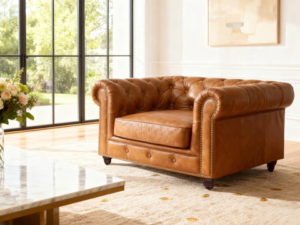
Furniture is incomplete without it. Polished varnish, smooth upholstery, precise stitching, and seamless edges exemplify craftsmanship. High-quality furniture balances form and function, ensuring durability while creating visual and tactile satisfaction.
Clothing and Fashion
In fashion, it defines quality and style. Fine stitching, crisp hems, hidden zippers, and carefully chosen fabrics distinguish high-end garments from mass-produced clothing. Ethical and slow-fashion movements prioritize these finishing details, reinforcing sustainability and craftsmanship.
Art and Design
For artists and designers, Acamento is essential. Paintings are varnished, digital designs are color-graded, and typography is perfected through kerning. Micro-interactions in UI design, such as subtle animations or hover effects, elevate work from functional to delightful, creating emotional engagement with the audience.
Acamento in Digital and Technological Contexts
User Experience (UX) and Interface Design
In digital environments, finishing touches—animations, tooltips, hover effects, and micro-interactions—enhance usability and trust. These details may seem small, but they create smooth, intuitive experiences that increase user satisfaction and engagement.
Software and Development
For software developers, it appears in code refinement, bug tracking, and thorough documentation. A product that lacks finishing touches may work technically, but feels incomplete. Applying it ensures that MVPs evolve into launch-ready solutions.
Productivity and Workflow Platforms
It extends to productivity tools. Integration of applications, workflow automation, and centralized dashboards streamlines operations. AI-assisted task management, collaboration features, and performance analytics exemplify digital, benefiting businesses, freelancers, and educational institutions alike.
Psychological and Emotional Benefits of Acamento
Satisfaction and Closure
Completing tasks with care provides a sense of accomplishment and closure. It reduces mental clutter, prevents unfinished loops, and fosters professional and personal fulfillment.
Aesthetic Pleasure
Well-finished objects, spaces, and interfaces appeal to our senses. It enhances visual and tactile appeal, creating comfort and delight while fostering trust in the product or environment.
Long-Term Value
Proper finishing increases durability and reliability, reduces errors, and minimizes rework. Consistently applied, it builds reputation, professional credibility, and personal confidence, making it a valuable investment for individuals and organizations.
Acamento as a Professional Skill
Role in Career Growth
Professionals who master it stand out. Delivering reliable and polished results sets high performers apart, strengthens relationships, and creates opportunities for repeat work and promotions.
Application Across Industries
It is universal. It applies to architecture, construction, design, fashion, art, digital development, and business management, offering advantages regardless of the field.
Avoiding Common Pitfalls
Neglecting finishing touches can compromise quality. Common mistakes include rushing deadlines, skipping reviews, and ignoring small flaws. Successful application of Acamento requires maintaining focus, consistency, and attention to detail through the final stages of any project.
Lifestyle Philosophy
- Intentional Living
- Mindfulness in everyday tasks
- Applying finishing touches to personal goals and routines
- Mindfulness in everyday tasks
- Minimalism and Slow Practices
- Emphasis on quality over quantity
- Integrating Aca mento into home organization, cooking, craft, and personal projects
- Emphasis on quality over quantity
- Mental and Emotional Benefits
- Reduced stress, clarity, and satisfaction
- Transforming daily habits into meaningful, polished outcomes
- Reduced stress, clarity, and satisfaction
Modern Trends and Applications
| Trend / Application | Description | Impact of Acamento |
| Slow Fashion and Ethical Production | Emphasis on quality, craftsmanship, and sustainable materials over mass production | Ensures garments are well-finished, durable, aesthetically pleasing, and ethically made |
| UX/UI and Digital Product Design | Focus on intuitive interfaces, animations, and micro-interactions in apps and websites | Enhances user satisfaction, engagement, trust, and overall digital experience |
| Smart Homes and Sustainable Architecture | Integration of advanced technologies, energy-efficient design, and durable materials | Creates functional, visually appealing, and long-lasting living spaces |
| Mindful Living and Personal Productivity Practices | Deliberate, intentional approaches to daily routines and tasks | Encourages finishing tasks fully, reducing stress, improving clarity, and enhancing personal satisfaction |
Acamento as a Lifestyle Philosophy
In a world where speed often outweighs care, it emerges as more than a concept—it is a lifestyle philosophy. Rooted in the Portuguese word acabamento, meaning “finishing,” Acamento emphasizes intentionality, mindfulness, and quality in every action. It encourages individuals to treat completion as an art, whether applied to work, personal goals, or everyday tasks.
Intentional Living
It is a call for mindfulness in daily life. Completing tasks with care transforms routine activities into deliberate, satisfying practices. For example:
- Making your bed neatly, rather than hastily tossing covers aside
- Preparing a meal with attention to presentation and balance
- Reviewing personal goals and projects before marking them complete
By focusing on the finishing touch, each action gains meaning and polish, turning mundane moments into opportunities for growth and satisfaction.
Minimalism and Slow Practices
Acamento aligns naturally with minimalism and slow-living philosophies. Instead of rushing to do more, it emphasizes quality over quantity, ensuring that every effort is completed thoughtfully. Individuals can integrate it into:
- Home organization: Arranging spaces efficiently while maintaining visual harmony
- Cooking: Presenting meals that are not just functional but aesthetically appealing
- Craft and personal projects: Adding the final details that elevate handmade creations
By prioritizing intentional completion, people reduce clutter, simplify their environment, and cultivate a sense of calm.
Mental and Emotional Benefits
Applying it to everyday life provides measurable psychological advantages:
- Reduced stress: Clear, finished tasks prevent mental overload
- Clarity and focus: Completing tasks fully allows the mind to shift attention to new priorities
- Satisfaction and pride: The joy of seeing a polished outcome boosts motivation and well-being
Through these practices, daily habits are transformed into meaningful, refined outcomes, reinforcing both discipline and creativity.
The Benefits of Acamento
It offers multifaceted advantages, spanning functional, aesthetic, emotional, and professional domains.
Functional Advantages
It enhances strength, durability, and usability. Proper finishing ensures that:
- Furniture lasts longer through meticulous assembly and coating
- Buildings resist wear and environmental stress through quality materials and protective finishes
- Products and tools perform reliably because every detail has been addressed
Aesthetic Enhancement
Attention to finishing touches improves visual appeal and harmony. Whether in design, fashion, or interiors:
- Color balance, textures, and alignment create pleasing compositions
- Polished edges, subtle highlights, and thoughtful layouts elevate perception
- Well-finished objects inspire confidence and delight users
Emotional and Psychological Impact
Acamento fosters satisfaction, pride, and positive experiences. Completing something well provides closure, reduces anxiety over unfinished tasks, and cultivates personal and professional confidence.
Professional and Business Advantages
In the workplace, it translates into efficiency, collaboration, and cost savings:
- Teams with consistent finishing practices reduce errors and revisions
- Products and projects gain credibility and customer trust
- Workflow integration, attention to detail, and polished deliverables enhance overall productivity
Practical Tips for Applying Acamento
Implementing it effectively requires deliberate strategies:
- Plan the finishing stage from the start – Allocate time and resources for refinement
- Focus on details without rushing – Small adjustments have a disproportionate impact
- Review and refine before final delivery – Inspect work critically to identify improvements
- Incorporate automation and technology when appropriate – Use AI and smart tools to enhance precision without sacrificing quality
- Maintain consistency and attention across every project – Treat the final stage with the same rigor as the initial effort
By following these principles, Acamento becomes a habit rather than an afterthought, ensuring polished results every time.
The Future Vision
It is poised to expand as both a philosophy and a practical approach:
- Integration with AI, IoT, and smart technologies will enable predictive finishing solutions in digital and physical projects
- Automation of routine tasks can free humans to focus on creative, intentional finishing touches
- Greater adoption of slow-living, mindful design, and sustainability will reinforce quality over quantity
- It has the potential to become a global philosophy, influencing work, design, and personal habits in the decades to come
Its future is intertwined with technology, creativity, and human-centered approaches to life and work.
Conclusion
It is far more than a finishing technique—it is a holistic concept of completion with care. From craftsmanship and architecture to digital design and personal growth, it elevates every task, project, and habit.
In today’s fast-paced, efficiency-driven world, Acamento teaches the value of thoughtful completion, attention to detail, and quality. By embracing it as a lifestyle and professional philosophy, individuals and organizations alike can create work that is not only functional but durable, beautiful, and satisfying.
The lesson is simple yet profound: the way you finish is just as important as the way you begin. In the art of completion, it is the key to transforming ordinary actions into polished, meaningful outcomes.













Post Comment