From Startup to Scale: Building a Business Around DTF Transfers Printing
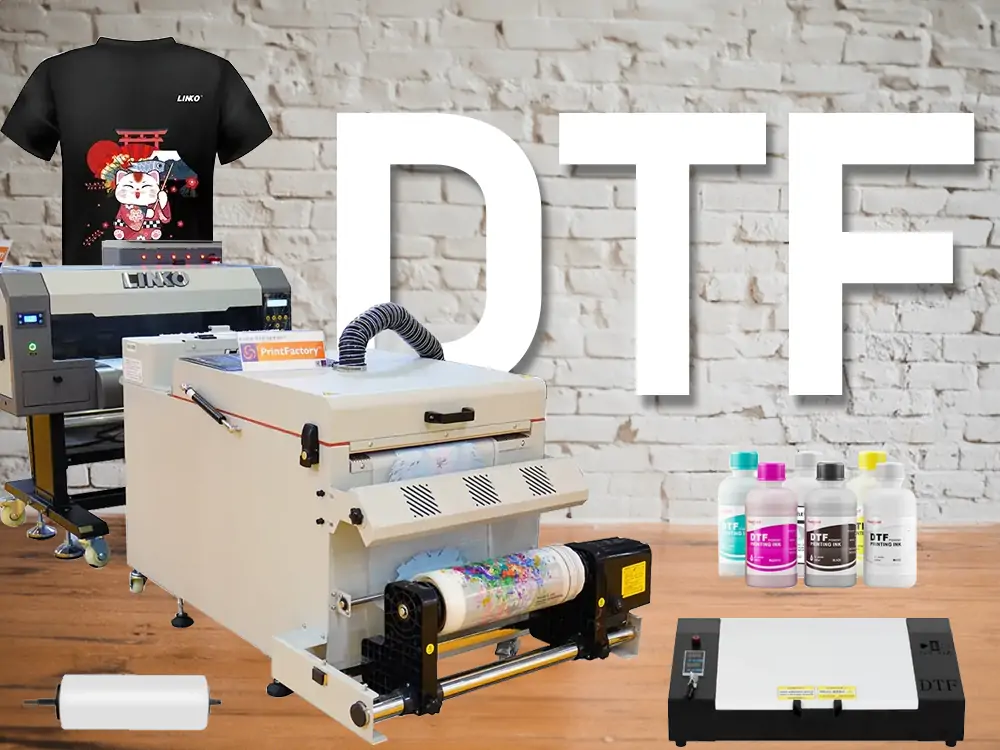
The custom apparel industry has changed dramatically in recent years. New technologies have made it easier for entrepreneurs, clothing brands, and local boutiques to launch apparel businesses without the high costs and risks that once defined the industry. One of the most important innovations driving this shift is DTF Transfers.
Direct-to-Film (DTF) printing has quickly become a preferred method for producing high-quality apparel graphics. It allows businesses to create vibrant, durable designs on a wide range of fabrics with minimal setup. For startups and growing apparel brands, DTF Transfers provide a practical path from launching a small business to scaling a profitable operation.
Why DTF Transfers Are Ideal for Startups
Starting a custom apparel business traditionally required significant investment in screen printing equipment, inventory, and production space. This created a barrier for entrepreneurs who wanted to enter the market with limited capital.
DTF Transfers remove many of these barriers. Instead of printing directly onto garments during production, designs are first printed onto a special film and later heat-pressed onto clothing. This allows startups to operate with a simple setup that includes a heat press and blank garments.
Key advantages for startups include:
- Low startup costs compared to traditional printing equipment
- No minimum order quantities for production
- Full-color printing capabilities without complex setup
- Compatibility with multiple fabric types including cotton, polyester, and blends
These benefits allow new businesses to launch quickly while maintaining professional print quality.
Supporting Seasonal Collections for Apparel Brands
Seasonal collections are a major revenue driver for apparel companies. From holiday-themed designs to limited-edition events, seasonal products allow brands to connect with customers and generate excitement.
However, producing seasonal apparel carries risks. If demand is overestimated, brands can end up with unsold inventory that becomes difficult to move after the season ends.
This is where DTF Transfers provide a strategic advantage. Apparel brands can prepare seasonal designs in advance but only apply them to garments when orders are placed. This approach allows businesses to launch collections without committing to large production runs.
For example, a clothing brand can create multiple designs for:
- Holiday apparel collections
- Event-based merchandise
- Limited edition releases
- Trend-driven graphics
Using DTF Transfers, brands can quickly produce best-selling items while avoiding the cost of unsold stock.
How Local Boutiques Use DTF Transfers
Local boutiques operate under different constraints than large apparel companies. They often have limited storage space and smaller budgets, which makes inventory management critical.
By adopting DTF Transfers, boutiques gain the flexibility to offer custom apparel without keeping large amounts of pre-printed merchandise. Instead, they can keep blank garments in popular sizes and apply designs when needed.
This strategy allows boutiques to:
- Offer unique seasonal apparel collections
- Quickly respond to customer demand
- Reduce storage requirements
- Provide personalized or custom items
For customers, this means more variety and faster turnaround times. For boutique owners, it means better control over inventory and production costs.
Scaling Production Without Complexity
As apparel businesses grow, production efficiency becomes increasingly important. Traditional printing methods often require additional staff, equipment, and production planning to scale operations.
DTF Transfers simplify this process. Since transfers can be printed in advance and stored until needed, production can scale without major operational changes.
Growing businesses can:
- Prepare large batches of transfer sheets ahead of time
- Use gang sheets to print multiple designs efficiently
- Apply transfers quickly using standard heat press equipment
This streamlined workflow allows businesses to handle higher order volumes while maintaining consistent quality.
Expanding Revenue Opportunities
Another advantage of DTF Transfers is the ability to diversify product offerings. Businesses can easily expand beyond basic t-shirts to include a wide range of apparel and accessories.
Examples include:
- Hoodies and sweatshirts
- Tote bags and accessories
- Sportswear and team apparel
- Promotional merchandise
This flexibility helps businesses grow their customer base while increasing revenue per order.
A Sustainable and Efficient Production Model
Modern consumers increasingly value sustainability and responsible production. Overproduction and excess inventory are major issues in the fashion industry, often leading to unnecessary waste.
By enabling on-demand production, DTF Transfers help businesses produce only what they sell. This reduces wasted materials, lowers storage needs, and supports a more sustainable business model.
For startups and established brands alike, this efficiency translates into both environmental and financial benefits.
Conclusion
The custom apparel market continues to evolve, and businesses that adopt flexible production methods are better positioned to succeed. DTF Transfers provide a powerful solution for entrepreneurs who want to launch apparel brands, expand seasonal collections, and scale operations without excessive risk.
From startups entering the market to local boutiques growing their customer base, DTF Transfers offer the speed, versatility, and cost control needed to compete in today’s apparel industry. By combining creative design with efficient production, businesses can move confidently from startup to scale while meeting the changing demands of modern consumers.
Disclaimer:
The information provided in this article about DTF Transfer printing is intended for general educational and informational purposes only. While we strive to provide accurate and up-to-date details, printing techniques, equipment specifications, and business strategies may vary between suppliers and service providers. Entrepreneurs, startups, and boutique owners should independently verify all information and consult with professional printing equipment suppliers or industry experts before making any investments, purchases, or business decisions. The author and publisher are not responsible for any financial loss, damages, or other consequences resulting from reliance on the content of this article.













Post Comment