Clinical Skincare for Canadian Winters: Repairing Compromised Skin Barriers
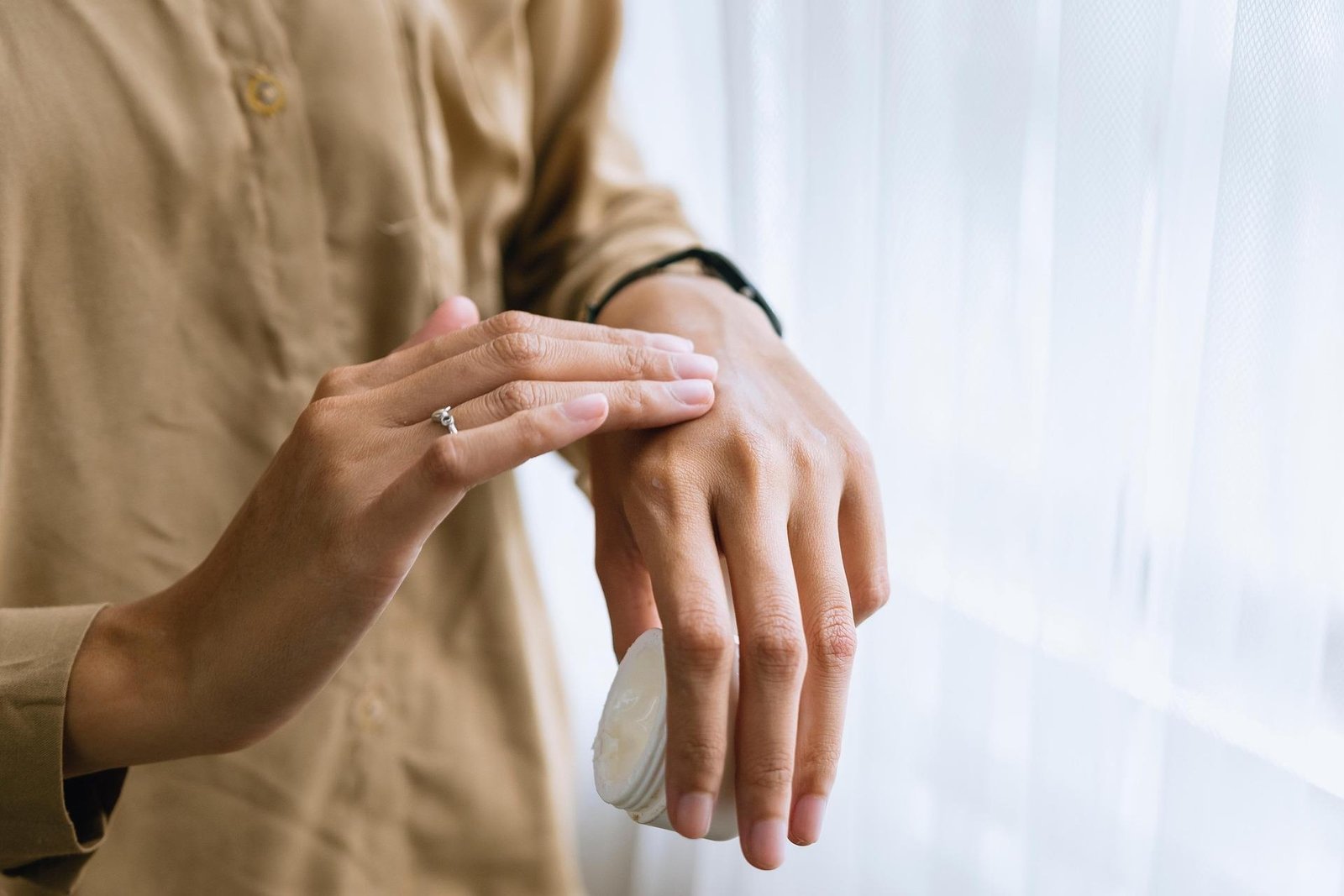
Canada’s extreme seasonal climate presents a continuous challenge for skin health. Between sub-zero outdoor temperatures, icy arctic winds, and aggressive indoor central heating, the skin barrier undergoes constant environmental stress. During the long Canadian winter, transepidermal water loss surges, leaving consumers across provinces struggling with cracked, dry, inflamed, and reactive skin.
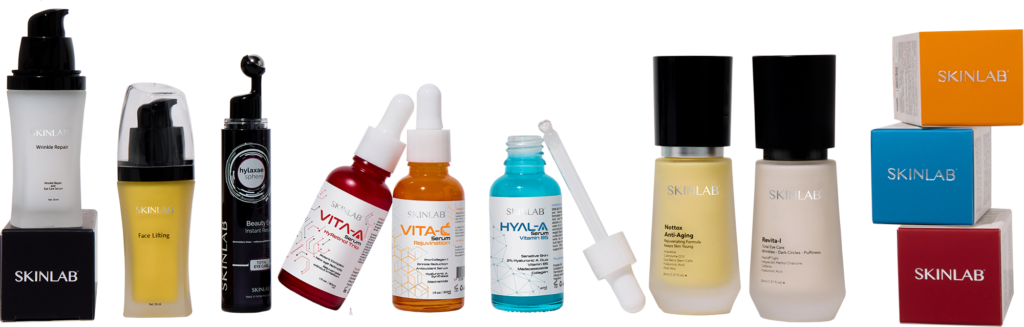
To counteract harsh seasonal environmental stress, Canadian retail buyers and dermatology clinics require science-backed, barrier-restoring skincare formulations that repair damaged tissue while treating underlying concerns like fine lines and acne. Through rigorous clinical testing and compliant manufacturing, SKINLAB provides Canadian beauty stockists and medical spas with high-potency serums, active cleansers, and barrier treatments engineered to perform in extreme cold weather.
How Canadian Winter Weather Damages the Skin Barrier
Understanding the physiological impact of cold weather on the stratum corneum is essential for Canadian retail stockists curating winter skincare lines.
1. Lipid Depletion and Transepidermal Water Loss
Cold winter air holds very little ambient humidity. When consumers step outdoors, moisture is pulled rapidly from the deeper epidermal layers into the surrounding atmosphere. At the same time, sub-zero temperatures slow down natural sebum production, leaving the skin without the essential lipids needed to seal in hydration.
2. The Heating System Trap
Stepping indoors provides relief from freezing winds, but artificial heating creates extremely dry, low-humidity indoor environments. This constant shift between freezing outdoor air and dry indoor heat weakens intercellular lipids, causing micro-cracks in the skin barrier that allow irritants to enter and trigger chronic inflammation.
Active Clinical Solutions for Cold-Weather Skin Care
Canadian consumers are highly educated and increasingly seek clinical, dermatologist-tested solutions rather than basic cosmetic moisturizers.
- Hydrating Active Serums: Traditional retinol products can exacerbate winter dryness if formulated poorly. Modern clinical formulas encapsulate active retinoids in rich, hydrating bases that promote cellular renewal without disrupting the fragile winter skin barrier.
- Barrier-Cleansing Formulations: Aggressive foaming cleansers strip remaining surface lipids during winter. Canadian retailers prioritize gentle, pH-balanced cleansers that remove surface impurities while preserving essential skin lipids.
- Daily Sun Protection: A common misconception in Canada is that sun protection is unnecessary during snowy winter months. Snow can reflect up to 80% of UV radiation, increasing the risk of sun damage and post-inflammatory hyperpigmentation. Daily broad-spectrum SPF50 application remains a critical final step in winter skin health.
Meeting Canadian Regulatory Standards and Channel Requirements
Expanding a clinical skincare line into Canada requires strict adherence to federal laws and retail distribution requirements.
Health Canada Compliance and CNF Filings
All cosmetics sold in Canada must comply with Health Canada’s Cosmetic Ingredient Hotlist. Manufacturers must submit a Cosmetic Notification Form (CNF) within 20 days of placing a product on the market, detailing full formulation safety and ingredient transparency.
Mandatory Bilingual Packaging
Under Canadian law, all product packaging, outer boxes, warnings, and usage instructions must be printed in both official languages: English and French. Text size and prominence must be equal across both language panels to clear customs and enter major retail chains like Shoppers Drug Mart (Pharmaprix) or independent Canadian eco-boutiques.
Conclusion
Canadian consumers demand clinical skincare that delivers real results while defending against severe winter environmental stress. By stocking dermatologist-evaluated formulations that combine active cellular repair with barrier safety, Canadian retail stockists and medical spas can build strong market share and customer loyalty. Partnering with a compliant, evidence-based brand ensures long-term commercial success in North America’s competitive beauty market.
Frequently Asked Questions (FAQs)
Can retinoids be safely used during cold Canadian winters?
Yes, provided the retinoid is formulated inside a barrier-supporting, gentle emulsion. Applying encapsulated retinol on alternate evenings alongside a hydrating cleanser and daily sunscreen allows Canadian consumers to maintain anti-aging cellular turnover without experiencing winter dryness or redness.
What is the Health Canada Cosmetic Notification Form (CNF)?
A Cosmetic Notification Form (CNF) is a mandatory document submitted to Health Canada that discloses a product’s full quantitative ingredient breakdown, manufacturer details, and safety compliance before it can be legally sold in Canada.
Why is daily sunscreen necessary in Canada during freezing winter months?
Fresh snow acts as a reflective surface, reflecting up to 80% of solar UV rays back onto the face. Without daily broad-spectrum SPF50 protection, winter UV exposure can cause premature aging, collagen breakdown, and stubborn hyperpigmentation.











Post Comment