From Traditional to Electric A Smooth Transition to eBikes
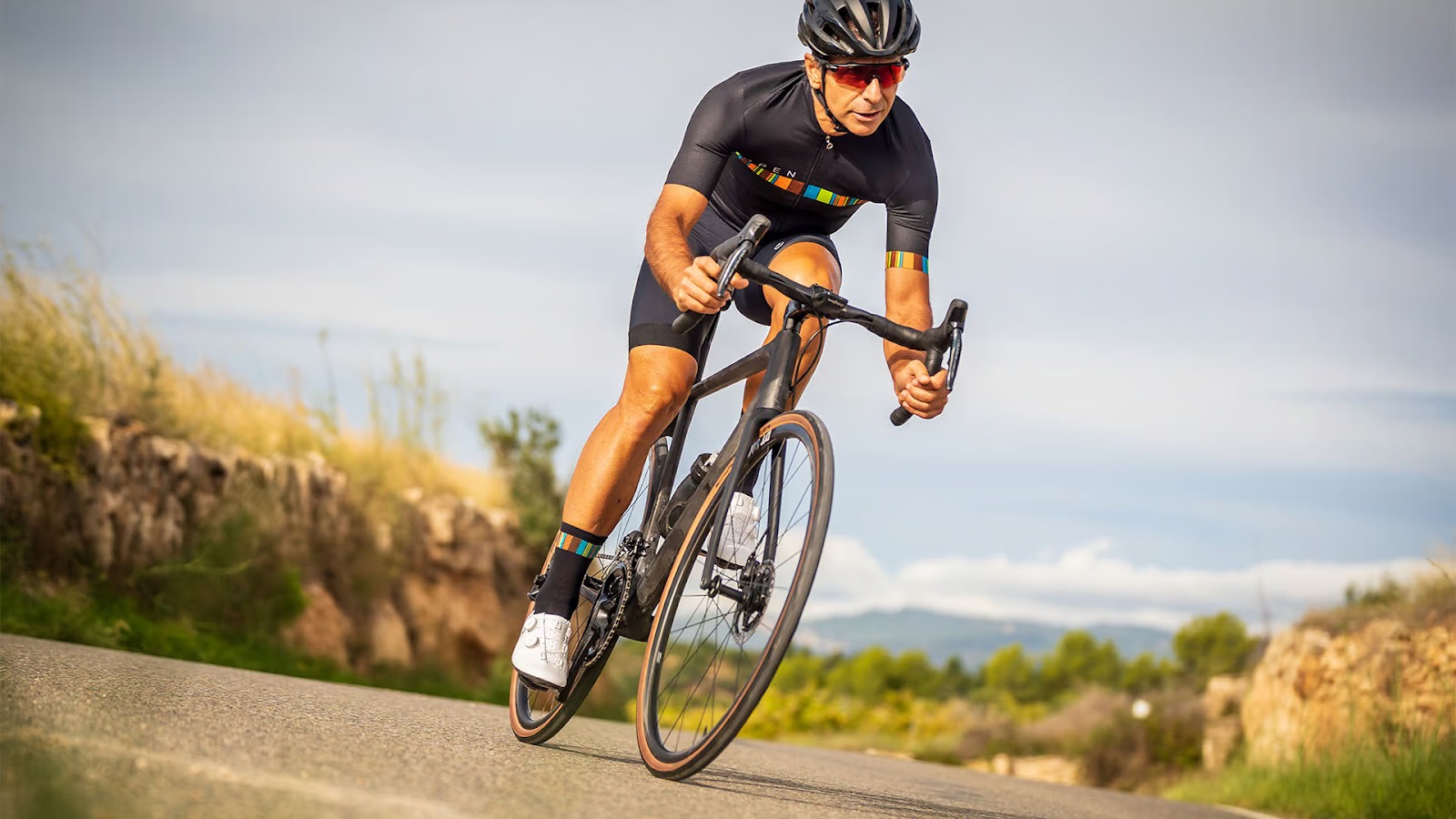
The American commute is currently undergoing its most significant shift since the mid-century suburban boom. For decades, traditional cycling was seen primarily as a hobby or a weekend fitness pursuit, but in 2026, the shift to electric power has redefined the bicycle as a legitimate, primary vehicle. As urban sprawl continues and gas prices remain volatile, many are discovering that the best e-bikes of today offer a level of utility that was simply impossible on an “analog” frame.
Choosing to transition isn’t about giving up the joy of cycling; it’s about amplifying it. Whether you are looking to flatten the steep hills of Seattle or keep pace with downtown traffic in Austin, the move to electric mobility flattens the barriers that once made cycling a chore. If you have been waiting for the right moment to make the switch, the technology and infrastructure of 2026 have finally aligned to make the transition smoother than ever.
Shifting Your Mindset Beyond the “Cheating” Myth
The primary psychological hurdle for traditional cyclists is the misconception that electric assistance is “cheating.” However, data from early 2026 shows that those who transition to electric power actually ride more frequently and for longer durations than they ever did on a standard bike. By removing the fear of a grueling headwind or a sweat-soaked arrival at work, you find yourself reaching for your helmet instead of your car keys for almost every errand.
The transition is less about replacing exercise and more about replacing your secondary vehicle. In 2026, the best commuter ebike models are designed to be “car-light” solutions. They allow you to maintain a consistent 20–28 mph speed, turning a stressful, variable-timed commute into a predictable, enjoyable journey. You still get the benefits of Zone 2 cardio, but you gain the freedom to travel 15 miles without needing a shower and a change of clothes at the finish line.
Understanding the 2026 US Three-Class System
One of the most important steps in a smooth transition is understanding the legal landscape. Unlike traditional bikes, electric models are categorized into three distinct classes in the US, which dictate where you can legally ride:
- Class 1: Pedal-assist only, with a top speed of 20 mph. These are widely accepted on most multi-use trails and bike paths.
- Class 2: Includes a throttle (allowing you to move without pedaling) but still caps at 20 mph.
- Class 3: Pedal-assist only, with a top speed of 28 mph and a mandatory speedometer. These are built for road commuting and keeping pace with urban traffic.
Navigating Local Trail and Road Laws
While most US cities have standardized these classes by 2026, always check your local ordinances. Some protected bike lanes or coastal boardwalks may restrict Class 3 bikes due to their higher speeds. Knowing your class ensures your transition is legally compliant and respectful of other path users.
Mastering the Learning Curve of Handling and Performance
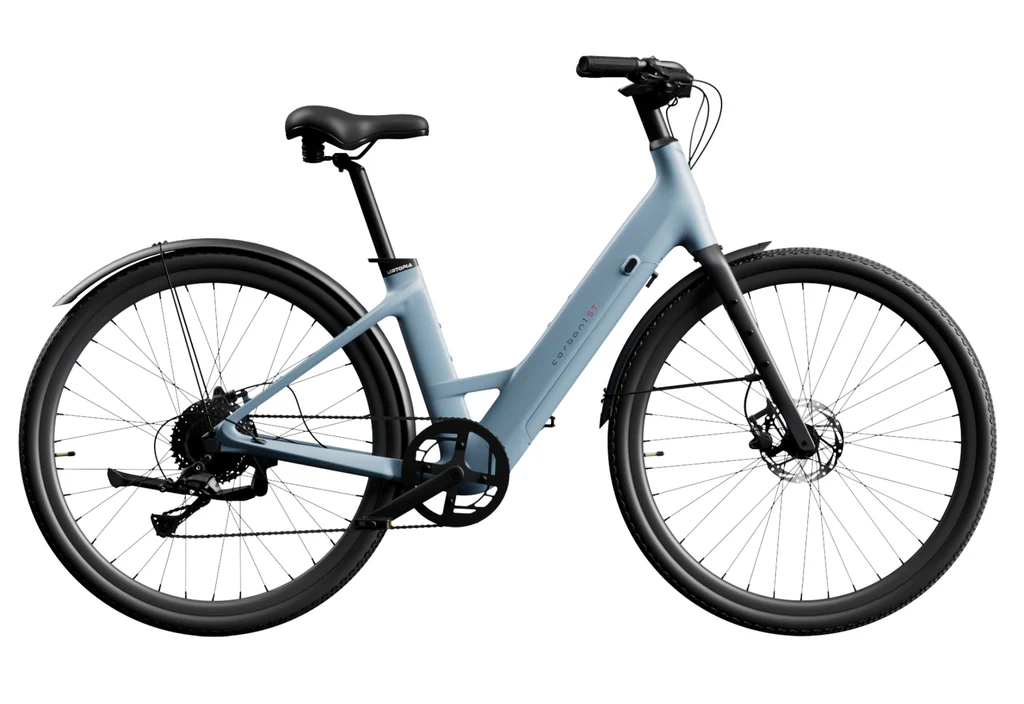
A traditional road bike typically weighs between 18 and 25 pounds, whereas an electric model often starts at 50 pounds. This weight difference is the first thing you’ll notice, and it requires a slight adjustment in your riding style.
Managing the Extra Weight
A heavier bike has more inertia. You will need to begin your braking slightly earlier than you are used to, and you’ll feel more planted—and perhaps less nimble—in high-speed corners. When loading your bike onto a vehicle rack or carrying it into a walk-up apartment, the weight is a factor, though modern “stealth” models are becoming increasingly lighter.
Anticipating the Motor Kick
Traditional riders are used to a 1:1 ratio between their effort and the bike’s movement. With a motor, there is often a slight “kick” when the sensor engages. Whether your bike uses a cadence sensor (which measures if you are pedaling) or a torque sensor (which measures how hard you are pedaling), it is best to start in a low assist mode until you get a feel for the acceleration.
Safety Standards and the UL 2849 Era
As the market has matured, safety has become the primary differentiator between professional-grade tools and cheap imports. For American riders in 2026, UL 2849 Certification is the gold standard for electrical safety. This rigorous standard tests the battery, motor, and charger as a unified ecosystem to prevent fire risks and thermal runaway.
When making the switch, prioritize bikes that carry this certification. It ensures that your high-tech investment is safe to charge inside your home or garage. Furthermore, because of the higher average speeds of electric transit, many riders choose to upgrade to an NTA-8776 rated helmet, which is specifically designed to provide better protection for the higher-impact forces associated with 28 mph speeds.
Financial ROI and the 2026 Bicycle Commuter Act
The financial argument for the transition has never been stronger. In 2026, the updated Federal Bicycle Commuter Act and various state-level incentives, such as Colorado’s $450 rebate or California’s voucher programs, have made the upfront cost significantly more manageable.
Slashing Your Monthly Transit Spend
Operating a car in the US now costs roughly $1,000 to $1,200 per month when accounting for fuel, insurance, and the rising cost of maintenance. Charging an electric bike for a year of commuting costs less than $30 in electricity. Even if you invest in a premium $3,500 model, the bike often pays for itself in less than eight months of avoiding parking fees and $5-per-gallon gasoline.
The “Last Mile” Synergy
For many, the transition isn’t just “bike vs. car” but “bike + transit.” Modern folding models have become so compact and reliable that they serve as the perfect “last-mile” solution, allowing you to bridge the gap between a suburban rail station and your downtown office without ever needing a ride-share service.
Conclusion
Transitioning to an electric ride doesn’t mean you have to hang up your traditional bike forever. Many riders keep their “analog” bike for weekend fitness rides while using their electric model for everything else. It is about having the right tool for the job.
If you are ready to stop fighting the wind and start enjoying your commute, head to your local bike shop for a test ride. The moment you feel that first surge of pedal-assist—often called the “e-grin”—you’ll realize that the future of the American street isn’t just electric; it’s faster, cleaner, and a whole lot more fun.
Disclaimer
The information provided in this article, From Traditional to Electric: A Smooth Transition to eBikes, is for general informational and educational purposes only. While every effort has been made to ensure accuracy as of 2026, laws, regulations, incentive programs, safety standards, and product specifications related to electric bicycles may vary by location and change over time.
This article does not constitute legal, financial, safety, or professional advice. Readers are encouraged to verify local e-bike laws, trail access rules, rebate eligibility, and safety requirements with their city, state, or federal authorities before purchasing or operating an electric bicycle. Always consult qualified professionals or certified retailers for guidance on equipment selection, maintenance, and safe riding practices.














Post Comment