Protected Bike Lanes in Los Angeles Are They Actually Keeping Cyclists Safe?
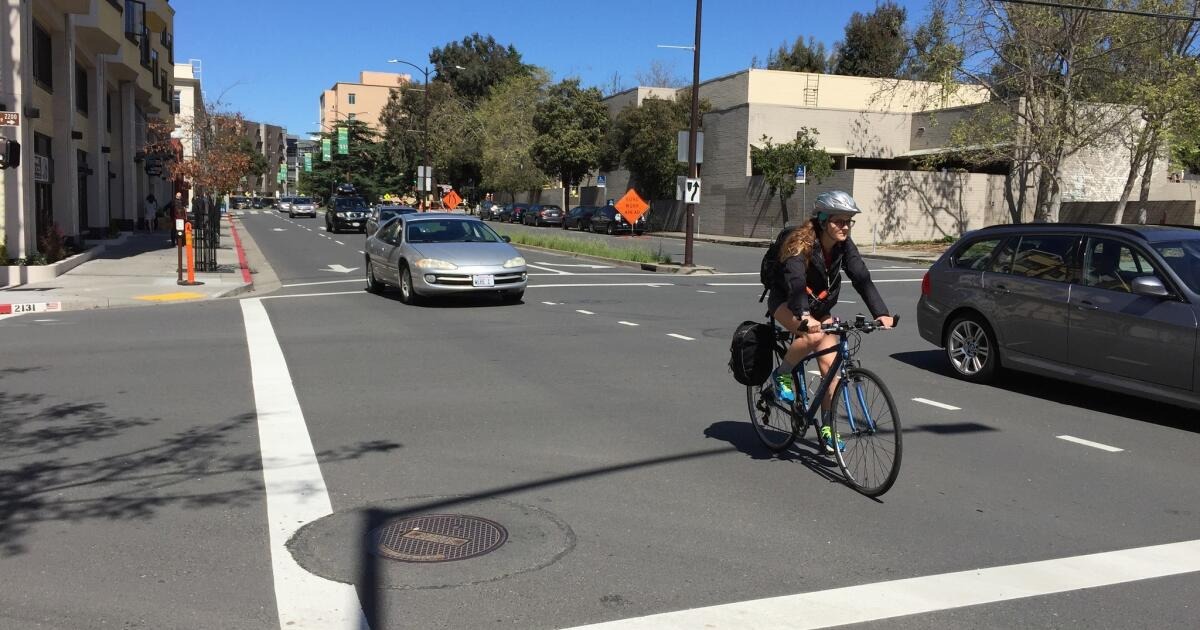
As cycling becomes more popular across Los Angeles, protected bike lanes are often promoted as a key safety improvement. But do these lanes really keep riders safe, or do hazards still persist? A knowledgeable Los Angeles bicycle accident lawyer sees firsthand how bike lane design, placement, and maintenance can either protect riders — or, in some cases, create new risks.
Understanding how protected bike lanes work, what makes them effective, and where they fall short can help cyclists ride more safely and identify liability when crashes occur.
What Are Protected Bike Lanes?
Protected bike lanes are designated cycling paths that include physical barriers between cyclists and motor vehicle traffic. Barriers may be curbs, parked cars, bollards, planters, or raised edges designed to prevent vehicles from encroaching into bike space.
These lanes differ from traditional painted bike lanes, which offer no physical separation from traffic and often leave cyclists vulnerable to dooring, close passes, and collisions.
Evidence Shows Safer Conditions — But Not Perfectly
Studies from cities around the world show that physically protected bike lanes can reduce serious collisions. When properly designed and maintained, these lanes reduce interactions between vehicles and bicycles, encourage predictable riding patterns, and make cyclists more visible at intersections.
However, protected lanes alone cannot eliminate risk. Many collisions still occur at intersections, driveways, bus stops, and areas where motor vehicles cross protected paths.
A Los Angeles bicycle accident lawyer often sees crashes that involve drivers failing to yield, poor sightlines at crossings, or hazardous infrastructure — even within protected bike lanes.
Common Hazards Even Within Protected Bike Lanes
Protected bike lanes can feel safer, but several hazards still exist, including:
- Intersection Conflicts: Many serious bike crashes happen where cars turn across bike paths. Drivers may not see cyclists or misjudge their speed, leading to right-hook and left-hook collisions.
- Driveway Crossings: Protected lanes often end abruptly or are interrupted at driveways, creating points of conflict where drivers may not expect cyclists.
- Bus Stops and Transit Zones: Stations that require buses to stop in bike lanes force cyclists into traffic or create sudden merging points.
- Poor Maintenance: Debris, broken glass, potholes, or faded lane markings increase crash risk even in protected lanes.
- Dooring: Parked cars adjacent to some bike lanes can cause dooring injuries when riders are struck by opening doors.
These common hazards mean that while protected lanes reduce certain risks, they do not eliminate all dangers cyclists face on city streets.
Why Design and Placement Matter
Not all bike lanes are created equally. Research and local experience show that safe cycling infrastructure requires careful design, including:
- Clear visibility at intersections and crossings
- Consistent physical barriers, not temporary posts
- Bike signals at busy intersections
- Integration with pedestrian walkways
- Adequate space between parked cars and bike lanes
Poorly designed or inconsistently maintained lanes can create a false sense of security — something that often shows up in bicycle accident claims.
What the Data Shows About Cycling Safety in LA
Los Angeles has invested in expanding protected bike lanes, but traffic collisions involving bicycles remain a concern. Local data indicates that while some protected corridors experience fewer severe crashes, cyclists are still at high risk in mixed traffic zones and poorly designed transitions.
A Los Angeles bicycle accident lawyer notices patterns where crashes cluster — especially where bike lanes disappear, intersect with traffic, or are adjacent to complex roadway features like bus stops or delivery zones.
How Awareness and Behavior Affect Safety
Protected bike lanes improve safety, but cyclist and driver behavior remains critical. Even in separated lanes, riders should remain alert at intersections, watch for turning vehicles, and communicate intentions with hand signals.
Drivers, for their part, must be vigilant at crossings and avoid distractions that lead to collisions. Cycling infrastructure helps, but safety ultimately requires cooperation between cyclists, motorists, and city planners.
What to Do After a Protected Lane Crash
If you are injured in a bike crash — even in a protected lane — seek medical care immediately. Report the collision to law enforcement and building or roadway authorities if infrastructure played a role.
Collect evidence when possible: photographs, witness information, bike damage, and traffic camera footage can all become important later. Do not give recorded statements to insurers without legal guidance — they often use such statements to downplay injuries or fault.
Why Infrastructure Defects Can Be a Legal Issue
In some protected lane accidents, the cause may not be driver negligence alone. Poor engineering, lack of proper signage, faded markings, or missing safety barriers can all form the basis of liability against a city or private entity responsible for street design and maintenance.
These cases require quick action because government claims often involve strict deadline requirements.
Why a Los Angeles Bicycle Accident Lawyer Matters
Even in protected bike lanes, accidents can and do occur. A knowledgeable Los Angeles bicycle accident lawyer understands how to investigate crashes, identify all contributing causes, and pursue compensation from negligent drivers, property owners, or government entities when infrastructure defects played a role.
At Bojat Law Group, we represent cyclists injured anywhere in LA, whether your crash occurred in a protected bike lane, a mixed traffic zone, or at an intersection. We evaluate liability, preserve evidence, and fight for full compensation for medical bills, lost income, and pain and suffering.
Disclaimer:
This article is provided for informational purposes only and does not constitute legal advice. Reading this content does not create an attorney-client relationship with any law firm or attorney mentioned. Laws regarding bicycle accidents, liability, and government claims vary by jurisdiction and are subject to change. Every accident case is unique and must be evaluated based on its specific facts and evidence. If you have been injured in a bicycle accident, you should consult a qualified attorney to obtain advice tailored to your individual situation.













Post Comment