Sodziu: Bridging Cultural Heritage and Modern Storytelling
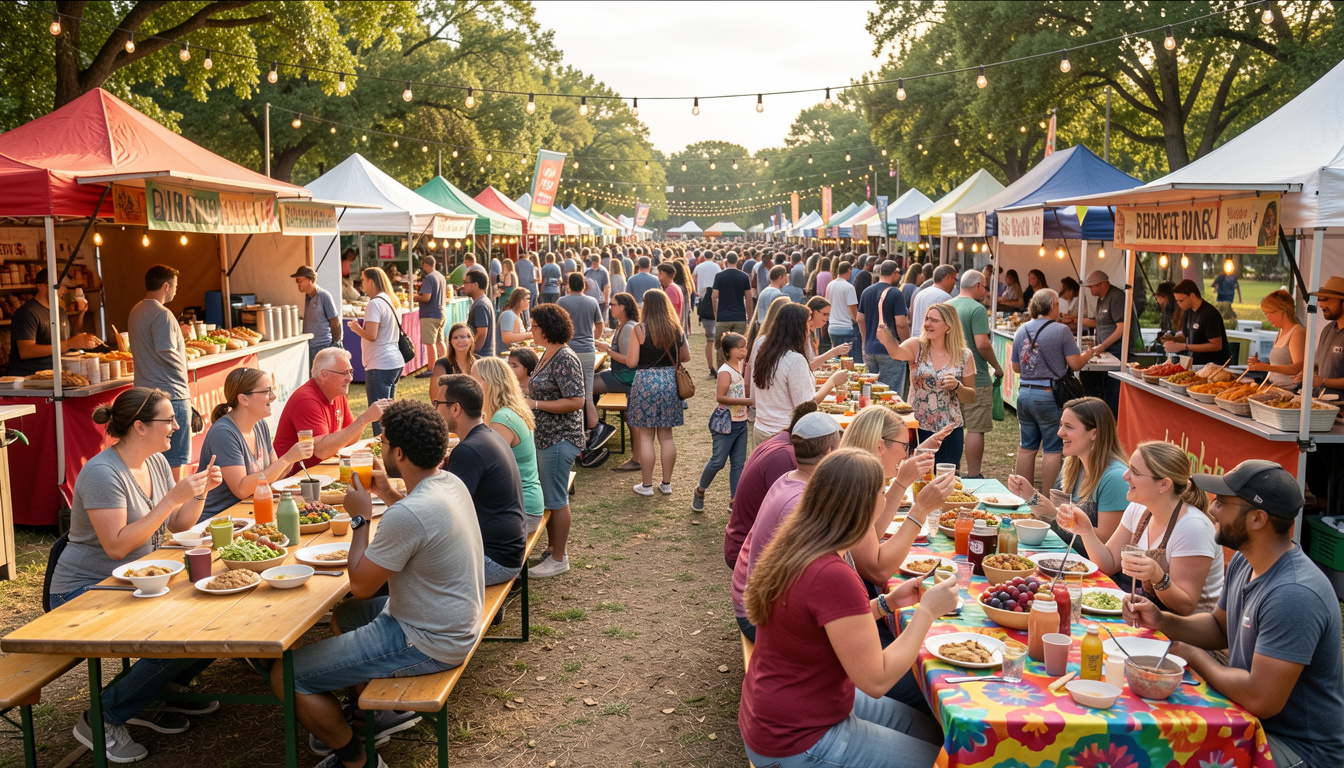
Sodziu embodies the essence of belonging, cooperation, and shared identity. Over time, the term has evolved, adapting to modern contexts where it also represents immersive experiences and narrative-driven storytelling.
Understanding it offers a lens into how cultural heritage informs modern practices and how storytelling can create deep, lasting connections. From the traditional village to contemporary events, it highlights the enduring value of community, culture, and meaningful experiences.
The Meaning of Sodziu
At its core, it refers to a village or a small, close-knit community. Yet its significance extends beyond mere geography. The word encapsulates the spirit of connection—how individuals relate to one another, their land, and the traditions they uphold.
In traditional contexts, Sodziu is more than a place; it is a social identity. Communities identified themselves through shared work, mutual support, and collective celebrations. In stories, proverbs, and folklore, it frequently symbolizes unity, cultural continuity, and the values that hold societies together.
Today, it also represents a conceptual framework for experiences. Whether through cultural preservation, community engagement, or storytelling-based events, the essence of Sodziu remains consistent: fostering connection and shared identity.
Origins and Historical Context
The origins of it trace back to rural settlements where families clustered together to work the land. These early communities relied on collective effort for farming, food preservation, and survival. Over time, it came to represent not just a physical space but a social and cultural network.
Historical Timeline of Sodziu:
| Period | Significance |
| Early Origins | Rural clusters tied to land and mutual survival |
| Medieval Period | Shared labor, local customs, and community traditions |
| 19th Century | Family identity, social cohesion, and survival mechanisms |
| Modern Era | Cultural heritage, symbolic meaning, and experiential adaptation |
From its early beginnings, it served as a cornerstone of community life, linking people to the land, seasonal work, and each other in ways that extended far beyond basic survival.
Sodziu in Language and Folklore
The concept of it is deeply embedded in language and folklore. Regional variations exist, but all maintain the core themes of community and identity. Older texts often include Sodziu in proverbs and stories, conveying moral lessons about cooperation, respect, and unity.
In literature and oral traditions, it reflects how people perceived themselves and their place in the world. Poems, tales, and songs often depict the everyday life of these communities, emphasizing the bonds between families, neighbors, and the land.
The linguistic flexibility of Sodziu ensures its survival. Even as societies modernize, the term continues to appear in discussions of heritage, migration, and social identity, bridging the gap between past and present.
Cultural Identity and Social Structure
It is a cultural marker that highlights the importance of shared values. Traditional communities structured their daily lives around cooperation, mutual respect, and routine. Family hierarchies were complemented by interdependence between neighbors, ensuring that survival and prosperity were collective endeavors.
Elders played a crucial role in transmitting knowledge and traditions to younger generations. Seasonal work, communal tasks, and storytelling sessions all contributed to strengthening the social fabric. Sodziu became not only a geographic reference but also a symbolic representation of identity, unity, and shared cultural memory.
Traditional Architecture and Settlements of Sodziu
Traditional communities were designed to encourage cohesion and efficiency. Homes were built close together, facilitating communication, collaboration, and mutual support. Wooden construction using local materials reflected environmental adaptability and functional simplicity.
Key Features of Sodziu Settlements:
- Compact Layouts: Homes and communal spaces positioned for easy access and visibility
- Local Materials: Wood, clay, and stone adapted to climate and geography
- Functional Interiors: Rooms designed for practical use—sleeping, cooking, storage
- Shared Workspaces: Barns, gardens, and fields are central to village life
Daily life in Sodziu settlements was structured around farming, animal husbandry, and seasonal activities. These routines reinforced interdependence and fostered strong communal ties.
Food, Cooking, and Culinary Traditions
Food played a central role in defining its culture. Ingredients were sourced locally, emphasizing freshness and seasonality. Meals reflected the rhythms of the land, the harvest, and community needs.
Typical Dishes:
| Dish | Description |
| Hearty Stews | Slow-cooked vegetables and meats, perfect for communal meals |
| Herbed Fish | Freshly caught fish seasoned with local herbs like dill and parsley |
| Dumplings | Dough filled with vegetables or meats, served during celebrations |
| Honey Pastries | Sweet treats tied to harvest festivals and cultural events |
Cooking methods such as fermentation, slow-cooking, and baking were essential for food preservation. Meals reinforced social bonds, marked celebrations, and maintained cultural continuity across generations.
Arts, Crafts, and Creative Expression of Sodziu
It culture thrives not only in daily life but also in arts and storytelling. Folklore and oral traditions conveyed moral lessons, cultural norms, and historical narratives. Crafts such as embroidery, pottery, wood carving, and weaving incorporated symbols and motifs central to its identity.
Literature and poetry often drew upon Sodziu themes, highlighting the relationship between people, land, and community values. Arts served as both functional and symbolic expressions, preserving the cultural essence of the community while allowing creativity to flourish.
Rituals, Festivals, and Seasonal Practices
Rituals and festivals were integral to it life. Seasonal ceremonies celebrated harvests, births, marriages, and significant communal events. Festivals included music, storytelling, and shared meals, fostering unity and reinforcing cultural identity.
Even small daily rituals carried meaning. A shared meal, a local song, or a simple offering represented gratitude, cooperation, and communal belonging. These practices ensured that Sodziu was experienced as a living, ongoing cultural phenomenon rather than a static concept.
Modern Interpretations and Revival
In recent years, there has been a resurgence of interest in it. Communities, cultural organizations, and eco-living enthusiasts are reviving traditional practices, restoring homes, and hosting workshops to teach crafts and heritage skills.
Digital platforms now allow Sodziu culture to reach global audiences. Online archives, social media, and virtual events help families reconnect with their roots, while younger generations explore cultural values in new formats. This modern revival highlights the adaptability of it while preserving its essence.
Sodziu as Experiential Storytelling
Beyond cultural preservation, it has found relevance in modern experiential storytelling. Through narrative-driven events, the principles of community, cohesion, and shared experience are transformed into immersive activities.
Key Features of Storytelling in Sodziu Experiences:
- Narrative Themes: Each event begins with a story that sets the tone and guides participants
- Collaborative Design: Clients and Sodziu teams co-create narratives tailored to audiences
- Immersive Environments: Decor, props, and activities bring stories to life
- Interactive Participation: Attendees share their own stories, deepening engagement
Whether it’s corporate gatherings, cultural festivals, or personal celebrations, it uses storytelling to create emotional resonance and lasting memories.
The Impact of Storytelling in Sodziu Experiences
Storytelling transforms ordinary gatherings into meaningful experiences. Participants leave events with more than knowledge—they carry emotional connections and shared memories.
For clients, this approach enhances brand perception and strengthens relationships. Attendees become active participants rather than passive spectators, creating authentic engagement. The ripple effect of Sodziu storytelling extends beyond the event, fostering loyalty, connection, and long-term impact.
Global Variations of Sodziu
While it originated in specific rural contexts, the concept exists worldwide in similar forms:
| Region | Variation | Focus |
| Lithuania | Sodziu | Village life, rural identity |
| Eastern Europe | Local equivalents | Shared work, family structure |
| Mediterranean | Festive/culinary forms | Harvest and community celebrations |
| South America | Mixed forms | Local fruits, rituals, and cultural cohesion |
Despite regional differences, the essence of Sodziu—community, belonging, and cultural heritage—remains consistent.
Experiencing Sodziu
Visitors can engage with its culture by exploring traditional villages and participating in modern cultural events. Key tips include:
- Respect local customs and etiquette
- Participate in rituals or seasonal practices when invited
- Observe architecture, daily life, and food preparation
- Attend guided workshops or immersive storytelling events
Experiencing it firsthand offers insight into the value of community, interdependence, and shared cultural identity.
Lessons from Sodziu for Modern Society
It provides timeless lessons applicable to contemporary life:
- Cooperation strengthens communities
- Respect and shared values enhance social cohesion
- Storytelling fosters engagement and emotional resonance
- Cultural heritage informs modern identity and creativity
Urban planners, educators, and event organizers can draw inspiration from Sodziu to design meaningful experiences, build communal spaces, and reinforce connections in modern society.
Conclusion
Sodziu embodies the enduring value of community, culture, and storytelling. From its origins in rural villages to its modern application in immersive events, it illustrates how cultural heritage can adapt and thrive in contemporary contexts.
By exploring it, individuals gain insight into traditions, identity, and the power of shared experiences. Its principles—connection, collaboration, and storytelling—remain as relevant today as they were centuries ago. Whether experienced in a village, a digital forum, or an interactive event, it continues to create meaningful, memorable, and transformative experiences for generations to come.














Post Comment