How is Digital Dentistry Changing Your Orthodontic Care?
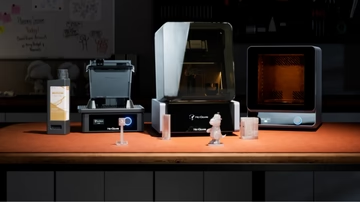
Orthodontic treatments have evolved beyond messy silicone molds and painful adjustments. Today, integrating a highly capable resin printer allows modern clinics to digitize their manufacturing workflows, transforming the patient experience. This vital shift toward digital fabrication reshapes how dental professionals plan and execute orthodontic care on a daily basis. By using a capable resin 3d printer, practitioners can now focus on patient biology and customized clinical outcomes.
The Core Shift in Dental Manufacturing
Before digital integrations, creating physical dental models required shipping fragile impressions to external laboratories, adding weeks to treatment. Now, identifying the best resin 3d printer enables immediate and accurate local production directly at the office, empowering orthodontists with significant control.
Eliminating Alginate Impressions
Intraoral scanners have largely replaced traditional alginate goop in modern clinics. These handheld diagnostic devices capture thousands of images per second, generating accurate digital oral models easily. This process reduces uncomfortable gag reflexes while providing a reliable best 3d printer data source for appliance fabrication.
Precision Through Photopolymers
A modern resin 3d printer uses ultraviolet light to selectively cure liquid polymers layer by layer. This advanced photopolymerization process achieves smooth surface finishes and great dimensional accuracy. Such precision is vital for crafting tight fitting aligners that surpass traditional manual molding techniques.
Hardware Advancements for Clinics
Upgrading clinic infrastructure requires careful hardware evaluation. Finding a reliable resin 3d printer involves looking beyond basic marketing specifications to ensure consistent and repeatable output for customized orthodontic devices, surgical guides, and precise restorative models used every single day.
Speed and Resolution Metrics
Modern manufacturing machines cure entire structural layers simultaneously using advanced light engines. When evaluating a quality best 3d printer setup, dental technicians prioritize two main performance indicators:
- XY pixel resolution for crisp edges.
- Z axis stability for consistent height.
Material Biocompatibility Standards
Superior hardware alone cannot guarantee safe medical devices. The orthodontic industry relies on highly specialized and biocompatible liquid photopolymers. A reliable resin 3d printer system employs calibrated material profiles to ensure patient safety and strict regulatory compliance during the manufacturing process.
Automated Secondary Processing Workflows
The manufacturing phase is only the first step. Printed parts must undergo strict washing and UV curing cycles. Automated wash stations efficiently remove excess liquid, ensuring the final clinical piece is both structurally strong and safe for dental use over time.
Traditional vs Digital Workflows
Traditional manual plaster pouring remains susceptible to material shrinkage and slow curing. Furthermore, archiving physical models demands significant and climate controlled storage space within busy clinics. A digital workflow stores patient files virtually, saving valuable space.
Using a premium best 3d printer allows practitioners to generate exact replica models on demand. This digital approach prevents long term material degradation while ensuring that the clinic maintains a clean and organized environment for both staff and patients.
Patient Benefits and Economic Impact
The comprehensive technological overhaul in dental laboratories translates to superior patient care. The deployment of a top tier resin 3d printer reduces waiting periods and improves overall daily treatment comfort for every single patient throughout their orthodontic journey.
Faster Turnaround Times
What once took weeks of shipping physical molds back and forth now takes mere hours. A clinical best 3d printer allows forward thinking practices to manufacture customized clear aligners on the exact day of the initial consultation, improving patient conversion.
Enhanced Fit and Comfort
Microscopic accuracy ensures that customized dental appliances fit snugly against delicate gums without abrasive edges. Patients experience fewer mouth sores and benefit from predictable tooth movement when clinics use a high quality resin 3d printer for their appliance production.
Improved Treatment Accuracy
Digital planning ensures every tooth movement is carefully calculated. A quality system accurately replicates these digital adjustments into physical molds, effectively reducing the need for corrections and preventing unnecessary and unscheduled clinic visits for the patient.
Long Term Cost Efficiency
While the initial equipment investment is substantial, producing appliances locally cuts expensive laboratory fees. Over time, quality resin 3d printer hardware becomes a cost effective asset for any growing modern dental practice focused on maximizing clinical productivity.
Conclusion
Digital dentistry has extensively optimized orthodontic care globally. By integrating clear intraoral scanning with advanced best 3d printer hardware, dental professionals deliver faster and accurate treatments. The future of achieving healthy smiles is largely digital, benefiting both practitioners and patients.











Post Comment