Viltnemnda: Norway’s Municipal Wildlife Management Committees
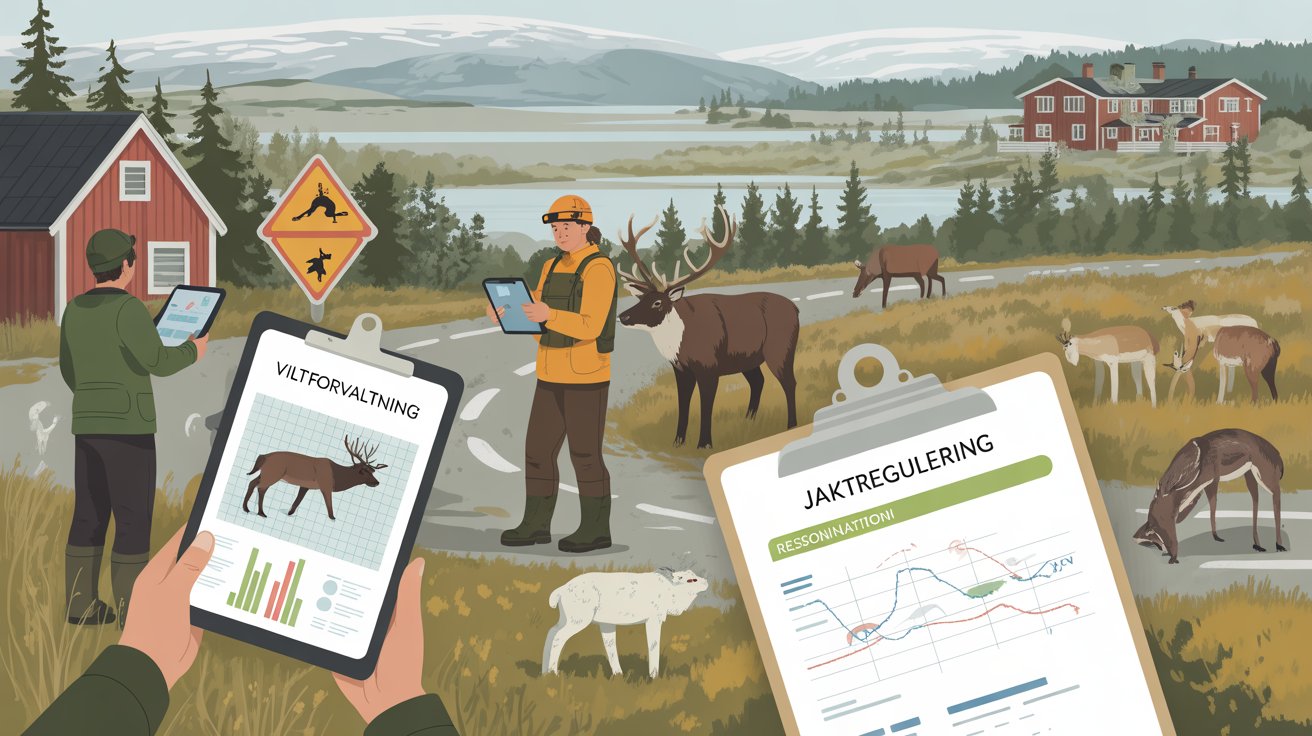
Viltnemnda refers to municipal wildlife management committees in Norway, appointed by local governments to oversee sustainable wildlife practices and ensure the responsible conservation of animal populations. These committees act as a vital link between national wildlife policies and local ecological realities, balancing environmental needs with community interests. Wildlife itself plays a crucial role in maintaining ecological balance, supporting predator-prey dynamics, vegetation control, and overall ecosystem health. As human activities such as agriculture, urbanization, and infrastructure development expand, conflicts between people and wildlife have become more common, making effective management essential for coexistence, safety, and sustainable development.
This article examines the history, structure, roles, responsibilities, challenges, and overall impact of it, highlighting their central role in Norway’s wildlife management system.
History and Evolution of Viltnemnda
Origin
It emerged in the early 20th century as a response to declining wildlife populations and widespread habitat loss. Communities recognized the need for organized, local efforts to manage hunting practices, regulate wildlife populations, and conserve natural habitats.
Historical Role
Initially, it focused on establishing hunting regulations and monitoring wildlife populations. Collaboration with residents was crucial, as community knowledge helped ensure that management strategies were effective and practical.
Evolution Over Time
Over the decades, the role of Viltnemnda expanded significantly. Beyond population management and hunting regulations, committees began engaging with communities, resolving human-wildlife conflicts, and promoting public education. Advances in science and technology further enhanced their capacity to manage wildlife sustainably.
Current Role
Today, it combines traditional wildlife management practices with modern scientific approaches. They serve as the local implementation arm of national wildlife policies, ensuring that decisions are grounded in ecological realities and responsive to local needs.
Legal Framework
Nature Diversity Act
The Nature Diversity Act provides a foundation for environmental protection in Norway. It safeguards species, ecosystems, and landscapes while promoting sustainable management. It operates under this framework, ensuring that local wildlife management aligns with national conservation goals.
Wildlife Act (Viltloven)
The Wildlife Act regulates hunting, wildlife damage, and human-wildlife interactions. It establishes hunting quotas, seasonal restrictions, and ethical guidelines for animal management. Viltnemnda ensures compliance with these regulations, balancing conservation and human needs.
Role of National vs. Local Authorities
While it operates at the municipal level, it collaborates with regional and national authorities such as Statsforvalteren and Miljødirektoratet. This ensures that local wildlife management practices are consistent with overarching laws while adapting to specific ecological conditions.
Structure and Composition of Viltnemnda
Membership
It committees typically include wildlife experts, hunters, landowners, conservationists, and municipal representatives. This diversity enables balanced decision-making that reflects both scientific research and local experience.
Leadership and Governance
Committees are led by a chairperson, supported by committee members who convene regularly to discuss wildlife management issues, implement policies, and coordinate activities.
Community Representation
Residents, hunters, and farmers often provide input, ensuring that decisions consider the needs of the community. This participatory approach fosters cooperation and practical solutions.
Coordination with Authorities
Viltnemnda works closely with municipal staff, regional authorities (Statsforvalteren), and national bodies (Miljødirektoratet) to maintain compliance with wildlife laws and ensure coherent management practices.
Core Responsibilities of Viltnemnda
Wildlife Population Management
- Monitor trends in key species such as elk, deer, and roe deer.
- Set sustainable hunting quotas to prevent overpopulation.
- Maintain ecosystem balance to ensure long-term biodiversity.
Hunting Regulation
- Enforce ethical hunting standards.
- Support planning of big-game hunts (storviltjakt).
- Ensure compliance with jaktloven and viltloven.
Human-Wildlife Conflict Resolution
- Address crop damage, livestock attacks, and wildlife-related road accidents (viltpåkjørsler).
- Mediate disputes between farmers, hunters, and conservationists.
- Coordinate culling or relocation programs when necessary.
Injured and Roadkill Wildlife Management
- Coordinate veterinary care for injured animals.
- Conduct post-mortem studies to analyze wildlife behavior and collision patterns.
- Ensure humane treatment and rapid intervention to reduce suffering.
Public Education and Advocacy
- Conduct workshops, consultations, and awareness campaigns.
- Promote biodiversity, ethical hunting, and responsible wildlife management.
- Engage communities in local conservation initiatives.
Sustainability and Biodiversity Maintenance
- Protect ecosystems and key habitats to ensure species survival.
- Collaborate on habitat restoration and ecological assessments.
- Promote adaptive management practices responsive to environmental change.
Tools and Technology Used by Viltnemnda
GPS Tracking
- Fit large mammals like elk and deer with GPS collars for real-time movement monitoring.
- Identify high-risk areas for human-wildlife conflict, such as roads and agricultural zones.
Drones and Aerial Surveys
- Efficiently monitor remote or difficult-to-access habitats.
- Gather data on population densities, habitat conditions, and human impact.
Camera Traps
- Collect images automatically to monitor species diversity and behavior.
- Provide valuable information for population assessments and conservation planning.
Data-Driven Decision Making
- Combine scientific research, field observations, and technology to guide hunting quotas, habitat management, and conservation strategies.
- Ensure that policies are evidence-based, sustainable, and adaptive to changing conditions.
Community Engagement
Its success in wildlife management relies heavily on strong ties with the local community. By fostering participation, awareness, and collaboration, these municipal committees ensure that conservation efforts are both effective and widely supported.
Public Consultations and Workshops
Viltnemnda regularly organizes public consultations and workshops to actively involve residents in wildlife management. These events serve multiple purposes:
- Gathering Local Feedback: Residents provide firsthand knowledge of local wildlife activity, including sightings, patterns, and incidents.
- Addressing Community Concerns: Farmers, hunters, and residents can voice concerns about crop damage, livestock losses, and road accidents caused by wildlife.
- Fostering Dialogue: Open forums encourage discussions between committee members and citizens, allowing for practical and transparent solutions.
Such initiatives empower communities to contribute meaningfully to decision-making, creating a cooperative atmosphere around wildlife management.
Community-Based Wildlife Monitoring Programs
It also promotes hands-on community involvement through monitoring programs. These programs include:
- Wildlife Surveys: Volunteers assist in tracking species populations, collecting data on behavior, and noting habitat conditions.
- Habitat Restoration: Residents participate in planting vegetation, maintaining wildlife corridors, and preserving natural habitats.
- Stewardship and Ownership: By actively engaging with local conservation work, community members develop a sense of responsibility toward their local environment.
These initiatives not only expand Viltnemnda’s reach but also cultivate long-term conservation awareness among citizens.
Building Trust
Trust between it and the community is fundamental. The committee builds confidence through:
- Transparent Communication: Sharing information about wildlife policies, hunting regulations, and conflict resolution.
- Consistent Rule Enforcement: Applying regulations fairly and systematically across all stakeholders.
- Respect for Knowledge: Combining local insights with scientific research ensures that management decisions are practical and credible.
Through these measures, it strengthens community support and promotes ethical wildlife stewardship.
Collaboration of Viltnemnda with Other Authorities
It does not operate in isolation. Effective wildlife management requires cooperation across municipal, regional, and national levels, as well as partnerships with research institutions.
Municipality
The municipality provides local administrative support and decision-making authority. It works with municipal staff to implement wildlife management strategies, ensuring that policies align with both legal requirements and local realities.
Statsforvalteren
At the regional level, Statsforvalteren oversees compliance with wildlife laws and guides best practices. It collaborates with these authorities to maintain consistent standards across municipalities.
Miljødirektoratet
The Norwegian Environment Agency (Miljødirektoratet) offers national policy guidance, legal frameworks, and conservation directives. Viltnemnda integrates these guidelines into local wildlife strategies, ensuring alignment with national biodiversity goals.
Research Institutions
Partnerships with universities and conservation organizations support:
- Population Studies: Tracking species numbers and migration patterns.
- Habitat Research: Assessing ecosystem health and planning restoration projects.
- Policy Guidance: Providing evidence-based recommendations for sustainable management.
By leveraging expertise from multiple levels, it enhances its capacity to manage wildlife effectively and responsibly.
Challenges Faced by Viltnemnda
Despite its successes, it encounters several challenges that impact its ability to manage wildlife sustainably.
Balancing Conservation and Hunting
Conflicts often arise between hunters, farmers, and conservationists. While hunting is regulated to maintain healthy populations, differing priorities can lead to disagreements over quotas, seasons, and culling decisions.
Habitat Loss and Urbanization
As urban areas expand, wildlife habitats become fragmented, reducing access to food, shelter, and migration routes. Managing species in these shrinking ecosystems is increasingly complex.
Public Awareness and Perception
Educating communities about biodiversity, conservation, and ethical hunting is essential but challenging. Misunderstandings or a lack of awareness can hinder collaboration and compliance.
Funding Limitations
Implementing advanced management strategies, deploying technology, and conducting extensive research require sufficient funding. Limited resources can restrict Viltnemnda’s operational capabilities.
Climate Change
Shifts in climate affect migration patterns, breeding cycles, and food availability. It must adapt strategies to address these dynamic environmental pressures, requiring flexibility and foresight.
Success Stories and Case Studies
It has demonstrated significant achievements across Norway, illustrating the effectiveness of local wildlife management.
Moose Population Management
Through regulated hunting and monitoring, committees have successfully controlled moose populations. This has led to:
- Vegetation recovery in affected areas.
- Improved biodiversity and healthier ecosystems.
- Reduced human-wildlife conflicts, such as road accidents and crop damage.
Endangered Bird Restoration
Viltnemnda has implemented targeted protection measures for endangered bird species, including:
- Creation of safe nesting sites.
- Enforcement of hunting restrictions during breeding seasons.
- Population monitoring has resulted in notable rebounds in numbers.
Community Education Initiatives
Educational programs have increased local awareness and participation, fostering sustainable practices among residents, hunters, and landowners. Workshops and consultations have strengthened community support for wildlife management efforts.
Research Partnerships
Collaborations with research institutions have yielded valuable insights into animal behavior, habitat needs, and population dynamics. This data informs more effective conservation strategies and improves long-term management outcomes.
Future Trends and Opportunities of Viltnemnda
The future of it is shaped by technological innovation, global collaboration, and sustainability-focused strategies.
Integration of AI and Data Analytics
Artificial intelligence and advanced data analysis are helping committees:
- Predict population changes.
- Optimize hunting quotas.
- Detect patterns of human-wildlife conflict.
International Collaboration
Partnerships with global conservation organizations address challenges such as biodiversity loss and climate change, providing knowledge exchange and shared resources.
Technological Advancements
The use of drones, GPS tracking, and automated monitoring systems enables more efficient and accurate data collection, enhancing management decisions.
Sustainability Focus
Long-term planning emphasizes coexistence between humans and wildlife, preserving ecosystems while supporting local communities.
Adaptive Management Strategies
Flexible policies allow Viltnemnda to respond to environmental changes, shifting species behavior, and evolving human activity, ensuring resilience and sustainability.
Conclusion
It plays a crucial role in Norway by balancing human interests with wildlife conservation, ensuring healthy ecosystems, protecting biodiversity, and reducing conflicts between people and animals. These local committees support hunters, farmers, landowners, and communities by providing guidance, education, and practical solutions for wildlife management, building trust through transparency, scientific principles, and consistent rule enforcement. As environmental challenges such as habitat loss, climate change, and human expansion intensify,
Viltnemnda’s role will become even more essential, using technology, research, and community engagement to act as long-term stewards of Norway’s wildlife and natural heritage for present and future generations.














Post Comment