Levapioli: A Culinary Delight and Cultural Experience
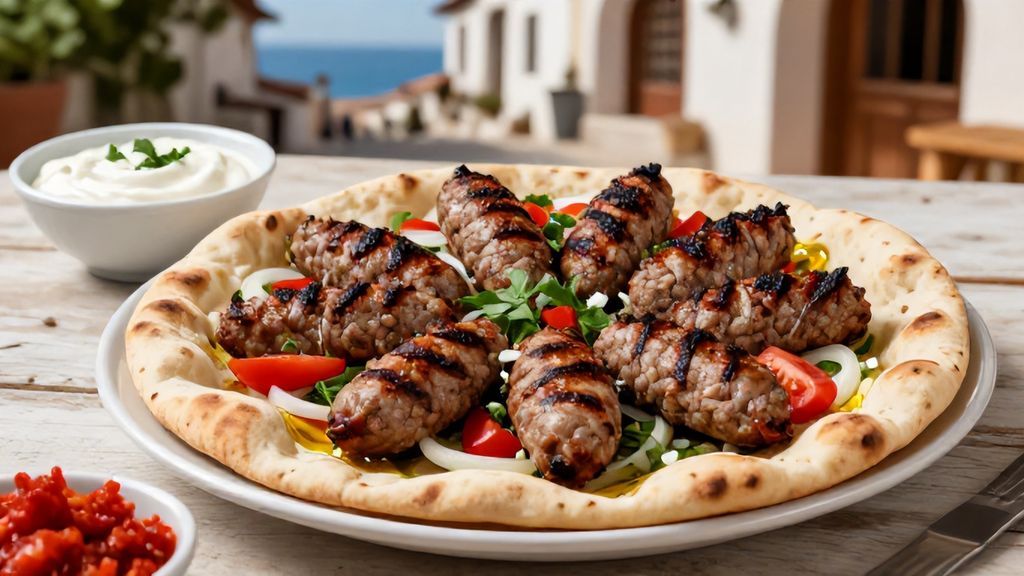
Levapioli is more than just a dish—it’s a celebration of tradition, flavor, and culture. Originating from the heart of the Balkans, this mouthwatering specialty has captured the hearts of food enthusiasts worldwide. Known for its savory grilled meats, aromatic spices, and versatile presentation, it has become a must-try for meat lovers and culinary adventurers alike.
In this article, we’ll explore everything you need to know about it: its origins, ingredients, preparation methods, regional variations, health benefits, and even how it serves as a gateway to experiencing Balkan culinary culture.
What is Levapioli?
It is a traditional Balkan dish made primarily from grilled minced meat, usually beef, lamb, or pork. Its simplicity in ingredients is balanced by the depth of flavor achieved through careful seasoning and cooking techniques.
Presentation and Serving Styles
Typically, it can be served in warm flatbreads like lepinja or somun, turning it into a convenient and portable meal. Alternatively, it can be enjoyed as standalone patties, perfect for a snack or a main course.
Flavor Profile
The dish is renowned for its savory, smoky, and sometimes slightly spicy flavors. A blend of herbs and spices, including garlic, paprika, and parsley, enhances the meat’s natural taste, creating a memorable bite every time.
Cultural Significance
It is more than just food; it’s a dish that brings communities together. From bustling street markets to cozy family gatherings, it embodies tradition, connection, and the joy of shared meals.
Origins and History of Levapioli
Its roots are firmly planted in the Balkan region, particularly Bosnia, Serbia, and North Macedonia. This dish has a rich history that spans centuries and reflects the cultural diversity of the region.
Historical Context
Historically, Levapioli was a portable meal for shepherds, allowing them to enjoy hearty, nutritious food while tending to livestock during long journeys. Over time, as people migrated and cultures blended, the dish evolved while retaining its core flavors.
Etymology
The name is derived from “lepinja”, a type of soft flatbread traditionally served with grilled meat. This connection highlights the intimate relationship between the dish and its accompanying bread.
Role in Culture
It has long been associated with family gatherings, street vendors, and community celebrations. Its popularity at social events showcases its enduring cultural significance.
Global Spread
Today, it has traveled far beyond the Balkans. It can be found in European cities, North America, and even parts of Asia, often adapted with local herbs, spices, and culinary techniques, while still honoring its traditional roots.
Traditional Ingredients of Levapioli
The beauty of it lies in its simplicity. By combining quality ingredients, this dish delivers a rich and satisfying flavor.
Meat
The primary ingredient is minced meat, usually beef, lamb, or pork. Many recipes combine two types of meat for added depth and juiciness.
Spices and Herbs
Essential seasonings include:
- Garlic – adds aroma and a slight bite.
- Paprika – provides color and subtle smokiness.
- Parsley – freshens the flavor profile.
- Salt and black pepper – enhances natural taste.
Optional Ingredients for Levapioli
Depending on regional traditions, recipes may also include:
- Onion – for sweetness and moisture.
- Oregano – to add Mediterranean flavor.
- Local specialty seasonings are unique to a specific area.
Accompaniments
It is often paired with:
- Flatbread – lepinja or somun.
- Grilled vegetables – peppers, zucchini, or eggplant.
- Condiments – yogurt sauce or ajvar for tangy, creamy, or spicy contrast.
Preparation Methods
The preparation of Levapioli combines technique, patience, and attention to detail.
Step-by-Step Traditional Preparation
- Mixing Ingredients – Combine minced meat with garlic, herbs, and spices for even distribution.
- Shaping – Hand-form the mixture into small patties or sausage-like pieces.
- Resting – Refrigerate for at least 30 minutes to allow flavors to meld.
Cooking Techniques
- Grilling over charcoal – Imparts a smoky flavor and authentic Balkan taste.
- Pan-frying – Creates a crispy exterior while keeping the meat juicy inside.
Tips for Authentic Flavor
- Use fresh, high-quality meat.
- Avoid over-handling the meat to retain tenderness.
- Ensure even cooking by preheating the grill or skillet.
Modern Adaptations
For home cooks:
- Oven-baking can be a convenient alternative.
- Adding spices or toppings inspired by local cuisine can create fusion flavors.
Regional Variations
Levapioli varies slightly across the Balkans, reflecting local tastes and traditions.
Bosnia & Herzegovina
- A combination of beef and lamb.
- Served with somun bread and onion salad.
Serbia
- Garlic-infused minced meat.
- Paired with pita bread and ajvar for a rich, smoky taste.
North Macedonia
- Often accompanied by red pepper paste, fresh salads, or cheese.
- Adds a unique tang and color to the dish.
Global Fusion
- Recipes outside the Balkans may incorporate local herbs, spices, or sauces.
- Emphasizes how it can adapt to different culinary traditions while preserving its essence.
Health Benefits of Levapioli
It is not only delicious but also offers several nutritional advantages.
Protein-Rich
- Excellent source of protein, supporting muscle repair and growth.
Vitamins and Minerals
- Lean meats provide iron, zinc, and B vitamins, essential for energy and immunity.
Anti-Inflammatory Properties
- Garlic and paprika contain compounds that fight inflammation and boost health.
Fiber and Nutrients
- Pairing with vegetables enhances fiber intake, promoting digestion and overall well-being.
Homemade Advantages
- Cooking at home allows control over ingredients and portion sizes.
- Encourages a balanced, nutritious meal without sacrificing flavor.
Pairings: Sides and Drinks
A great Levapioli experience begins with thoughtful pairings. The goal is to balance its rich, savory flavors with lighter or contrasting sides that enhance each bite.
Flavor Principles
When pairing it:
- Balance robust meat flavors with light, fresh sides.
- Use contrasting textures—crispy, creamy, or juicy elements elevate the eating experience.
- Introduce flavor contrasts like sweet, tangy, or spicy accompaniments to highlight the smoky, savory meat.
Suggested Side Dishes
- Fresh salads: Crisp greens with a zesty vinaigrette balance the richness of the meat.
- Grilled vegetables: Zucchini, bell peppers, and eggplant drizzled with olive oil complement the dish naturally.
- Grains and bread: Rice pilaf, couscous, or warm flatbread provides texture and absorbs flavorful juices.
- Dips: Tangy yogurt sauce, tzatziki, or peppery ajvar add moisture and enhance the savory notes.
Drink Options
Alcoholic Drinks
- Lager or pilsner: Light beers cleanse the palate between bites.
- Red wine: A medium-bodied Merlot pairs beautifully with grilled meat.
- Cocktails: A smoky mezcal or lightly spiced cocktail can add depth to the flavor profile.
Non-Alcoholic Drinks
- Sparkling water with citrus: Refreshing and palate-cleansing.
- Mint lemonade: Balances savory flavors with a sweet and herbal zing.
Creative Pairings
Levapioli encourages culinary experimentation:
- Mango salsa provides a sweet contrast.
- Fried vegetables with lime create crisp, zesty textures.
- Kimchi or pickled vegetables introduce bold, international flavors.
Tip: Experiment with sauces, dips, and textures to make every meal unique.
Serving and Hosting Levapioli
It shines not only as street food but also as a centerpiece for home dining and dinner parties.
Home Dining
- Cooking: Grill or pan-fry it for juicy, flavorful results.
- Plating: Serve in flatbread with fresh herbs or alongside a simple salad for a balanced meal.
Dinner Parties
- Preparation: Marinate Levapioli overnight to enhance flavor and reduce last-minute stress.
- Variety: Offer multiple sides and drink options to cater to guests’ tastes.
- Ambiance: Use colorful tableware, fresh herbs, and warm lighting to create an inviting atmosphere.
- Guest Interaction: Encourage sharing of serving ideas or DIY toppings for a fun, interactive dining experience.
Presentation Tips
- Street Food Style: Serve wrapped in flatbread with sides on small plates for casual appeal.
- Gourmet Style: Plate it alongside grilled vegetables, grain-based sides, and drizzled sauces for an upscale presentation.
Levapioli as a Culinary Destination
It isn’t just a dish—it’s also inspired by Mediterranean culinary traditions. Whether exploring the region virtually or traveling there, the area offers a vibrant food scene.
History and Culture
The region reflects centuries of Roman, Byzantine, and Ottoman influences, which shape both its cuisine and culture. Local festivals celebrate harvests, saints, and culinary heritage, making food part of a larger cultural story.
Culinary Scene
- Fresh seafood: Daily catches prepared simply highlight Mediterranean flavors.
- Olive oil-based dishes: Drizzled over salads, vegetables, and grilled meats.
- Mediterranean herbs: Oregano, basil, rosemary, and parsley add aromatic depth.
Markets and Restaurants
- Markets: Local produce, artisan cheeses, and specialty ingredients provide an immersive culinary experience.
- Restaurants: Family-run establishments maintain traditional recipes, while modern eateries innovate with fresh, local ingredients.
Exploring the Surrounding Areas
Levapioli’s charm extends beyond its cuisine, offering natural beauty and cultural richness.
Natural Landscapes
- Rolling hills, olive groves, and vineyards provide scenic vistas.
- Coastline and beaches are perfect for sun-soaked relaxation.
Nearby Towns and Villages
- Historic architecture and artisan markets offer cultural exploration.
- Discover local crafts, pottery, and textiles as souvenirs of your journey.
Outdoor Activities
- Hiking: Trails leading to waterfalls and lakes.
- Beaches: Ideal for relaxation or seafood picnics.
- Cultural excursions: Attend festivals, culinary tours, or craft workshops.
Tip: Combine food experiences with outdoor adventures for a full sensory journey.
Tips for Travelers
- Best Time to Visit: Spring or fall for mild weather and fewer crowds.
- Transportation: Rent a bicycle or explore on foot to absorb the scenery.
- Local Etiquette: Learn basic phrases, greet locals warmly, and respect traditions.
- Packing: Comfortable walking shoes and light luggage are essential.
- Budgeting: Carry cash for small markets or family-run eateries where cards may not be accepted.
Conclusion
Levapioli is much more than a delicious Balkan dish—it’s a cultural and culinary experience. From its juicy, seasoned meat to its regional variations, health benefits, and creative pairings, it provides a versatile and satisfying meal for every occasion.
Whether you:
- Cook at home and experiment with flavors,
- Host dinner parties to showcase its versatility, or
- Travel to the Mediterranean-inspired regions for a full culinary adventure,
You’ll discover that Levapioli is a dish that connects people, celebrates tradition, and delivers unforgettable taste.
It’s time to explore it —your palate, your guests, and your sense of adventure will thank you.














Post Comment