Assimilasjon: Cultural Integration in a Globalized World
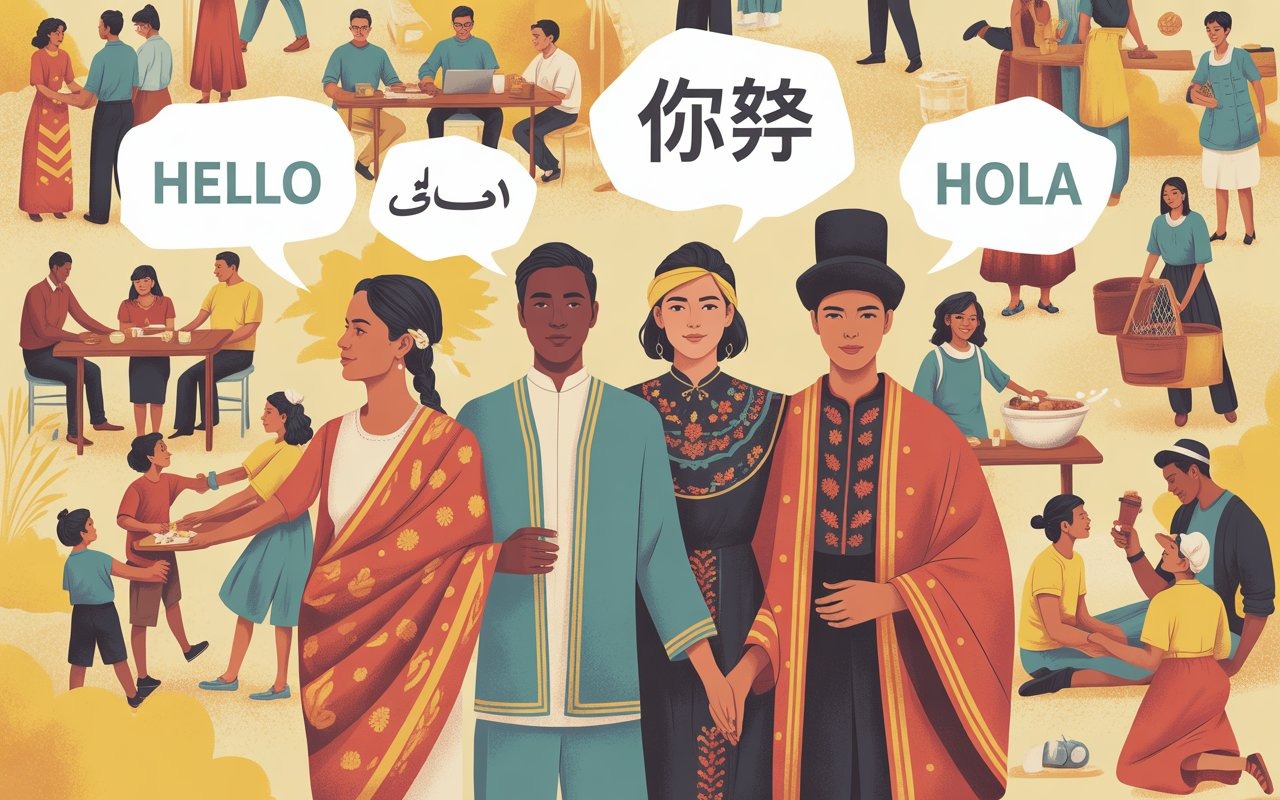
Assimilasjon is a concept that lies at the heart of cultural exchange, identity, and social cohesion. Derived from the Latin word assimilare, meaning “to make similar,” it refers to the process through which individuals adopt the language, customs, and values of another culture. In today’s multicultural and globalized societies, it plays a pivotal role in helping people integrate, communicate, and thrive while navigating complex cultural landscapes.
The process of assimilation is not just about learning a new language or following social norms; it is a delicate balancing act between preserving one’s heritage and embracing new cultural influences. This article explores it in depth, examining its etymology, historical context, stages, types, psychological aspects, influencing factors, real-world examples, and its distinction from related concepts like integration and multiculturalism.
Etymology and Linguistic Roots
The term assimilasjon originates from the Latin assimilare, which literally means “to make similar.” This etymology reflects the essence of assimilation—bringing oneself closer to the norms and practices of another group. Over time, the concept has evolved to encompass not only cultural practices but also identity and social interaction.
In Scandinavian languages, it has acquired specific connotations of integration and adaptation, highlighting both linguistic and cultural shifts. It is not just about learning a language; it involves absorbing new ways of thinking, values, and behaviors while navigating societal expectations.
Translation plays a crucial role in this process. By bridging language gaps, translation allows individuals from different cultural backgrounds to communicate effectively, fostering understanding and mutual respect. In essence, language serves as a bridge, connecting communities and enabling a shared cultural experience.
Historical Context
Early Cultural Encounters
Assimilasjon is not a modern phenomenon. Ancient civilizations such as Rome and Greece practiced cultural assimilation as a means of maintaining control over diverse populations. The Roman Empire, for instance, encouraged conquered peoples to adopt Latin, Roman laws, and traditions. While this strategy promoted unity, it often led to the erasure of native identities and practices.
Colonial Era
During the colonial period, European powers frequently imposed assimilation on indigenous populations. Local languages, religions, and customs were suppressed in favor of European norms. This forced assimilation aimed to consolidate power but frequently resulted in cultural loss and identity struggles among colonized communities.
Industrial Revolution and Migration
The Industrial Revolution marked a new phase of assimilation. Urban migration brought together people from diverse regions, creating environments where language acquisition and cultural exchange became essential. Cities became melting pots where different cultures interacted, negotiated, and sometimes clashed, highlighting both the opportunities and challenges of assimilation.
Modern Globalization
In the contemporary era, globalization has made it an ongoing and dynamic process. Immigration patterns in countries like the United States, Canada, and Australia demonstrate the importance of integrating newcomers through education, workplaces, and community participation. While assimilation offers opportunities for social and economic mobility, it also raises questions about how individuals can adapt without losing touch with their cultural roots.
The Stages of Assimilasjon
It often occurs in stages, reflecting both practical adaptation and deeper identity transformation:
- Adaptation
- Individuals learn the basics of language, social norms, and cultural customs.
- This stage lays the foundation for effective communication and daily functioning.
- Individuals learn the basics of language, social norms, and cultural customs.
- Adjustment
- People balance their original identity with the new culture, often experiencing emotional challenges such as stress or cognitive dissonance.
- Support systems, such as family and community networks, are crucial in navigating this stage.
- People balance their original identity with the new culture, often experiencing emotional challenges such as stress or cognitive dissonance.
- Integration / Full Assimilation
- The new culture becomes part of daily life, and individuals may begin to identify more strongly with the dominant culture than their original one.
- At this point, assimilation is reflected not only in behavior but also in self-perception and social engagement.
- The new culture becomes part of daily life, and individuals may begin to identify more strongly with the dominant culture than their original one.
Types of Assimilasjon
Assimilation manifests in different forms, each affecting cultural integration in unique ways:
- Cultural Assimilation
- Involves adopting new languages, clothing styles, customs, and traditions.
- Involves adopting new languages, clothing styles, customs, and traditions.
- Structural Assimilation
- Participation in formal institutions such as schools, workplaces, and local communities.
- Participation in formal institutions such as schools, workplaces, and local communities.
- Identificational Assimilation
- Occurs when individuals begin identifying themselves as part of the dominant culture.
- Occurs when individuals begin identifying themselves as part of the dominant culture.
- Behavioral / Civic Assimilation
- Involves active engagement in civic life, including voting, joining social organizations, and participating in community activities.
Factors Influencing Assimilasjon
Several factors shape the process of assimilation:
- Language Proficiency: Mastering the dominant language is often the most critical step for integration.
- Social Networks: Connections with both native and immigrant communities can facilitate or hinder assimilation.
- Cultural Openness: Societies that embrace diversity promote smoother integration.
- Economic and Educational Opportunities: Access to jobs and schooling accelerates participation in society.
- Government Policies and Media: Policies supporting inclusion and media representation influence assimilation outcomes.
- Technology and Pop Culture: Social media and entertainment provide exposure to cultural trends, enabling quicker adaptation.
Psychology of Assimilasjon
Assimilation is not only a social process but also a deeply psychological one. Individuals often experience cultural stress, torn between the desire to fit in and the need to preserve their heritage. Cognitive dissonance may arise when personal values conflict with those of the dominant culture.
Social support and community involvement are vital for emotional adaptation. Over time, individuals adjust behaviors, thought patterns, and social connections, ultimately finding a balance between their original identity and the new cultural norms.
Assimilasjon vs. Integration vs. Multiculturalism
| Concept | Definition | Key Points |
| Assimilasjon | Becoming part of the dominant culture | Often involves changing personal traits |
| Integration | Blending while retaining parts of original identity | Balances old and new cultural traits |
| Multiculturalism | Coexistence of multiple cultures | Celebrates diversity and preserves unique identities |
Each approach has advantages and disadvantages. It promotes unity but may diminish individuality, integration fosters balance, and multiculturalism prioritizes diversity, sometimes at the expense of social cohesion. Successful societies often find a blend of these approaches.
Real-World Examples
- Historical: Scandinavian immigrants in the United States adopted English and American customs while preserving cultural traditions. Indigenous populations have navigated assimilation pressures in complex ways, balancing cultural survival with societal participation.
- Modern: Immigrant families in Western countries learn local languages and customs while maintaining home traditions.
- Cultural Blending: Media, fashion, music, and cuisine often reflect a mixture of global influences, demonstrating assimilation and creative adaptation.
- Education and Workplaces: Bilingual programs in Australia and Canada support integration, while workplace diversity initiatives encourage collaboration and mutual respect.
Benefits of Assimilasjon
It offers numerous advantages for individuals and societies when approached thoughtfully and voluntarily.
- Social Cohesion and Improved Communication:
Assimilation fosters shared understanding among diverse groups. Language and cultural fluency allow people to communicate effectively, breaking down barriers and creating stronger social bonds. - Reduction of Conflicts Between Cultural Groups:
When individuals understand and adopt certain cultural norms, misunderstandings and tensions between groups decrease. This leads to more harmonious communities. - Economic and Educational Opportunities:
Mastery of a dominant language and familiarity with societal norms open doors to better jobs, professional networks, and educational resources. Assimilation can accelerate upward mobility and access to resources. - Enhanced Teamwork and Collaboration:
In workplaces and community settings, assimilated individuals often collaborate more efficiently. Shared practices, communication skills, and cultural awareness promote stronger teamwork. - Creation of Shared Identity While Learning New Perspectives:
Assimilation allows individuals to participate fully in society while gaining exposure to new ideas, values, and traditions, enriching personal and collective experiences.
Challenges and Criticisms
Despite its benefits, assimilasjon is not without challenges:
- Forced Assimilation Leading to Loss of Heritage:
Historically, coercive assimilation policies erased languages, customs, and traditions. Forced adaptation can cause long-term cultural loss. - Identity Conflict and Cultural Stress:
Balancing one’s native identity with a new cultural framework often causes emotional strain and internal conflict. Many individuals struggle with belonging and self-definition. - Risk of Marginalization or Discrimination:
Those who fail or refuse to assimilate may face social exclusion, while those who assimilate might encounter criticism for abandoning their heritage. - Difficulty Maintaining Authenticity While Adapting:
Assimilation requires negotiating between adaptation and personal authenticity. This balancing act can be psychologically demanding. - Ethical Considerations: Voluntary vs. Coerced Assimilation:
Ethical assimilation respects choice and cultural boundaries. Coerced assimilation violates personal freedoms and risks long-term social harm.
Assimilasjon in Education and Workplaces
Education and professional environments are critical spaces for assimilation:
Schools as Cultural Exchange Environments:
Classrooms provide opportunities for students to learn new languages and social norms while sharing their own cultural experiences.
Inclusion and Diversity Programs:
Programs that celebrate diversity help assimilated individuals feel valued and supported, promoting equal participation.
Role in Team-Building and Collaboration in Workplaces:
Assimilation enhances understanding between colleagues from different backgrounds, facilitating collaboration and creative problem-solving.
Encouraging Open Dialogue and Cultural Representation:
Encouraging conversations about culture fosters trust, mitigates conflicts, and promotes inclusive environments.
Promoting Mutual Respect and Understanding:
By recognizing and valuing both assimilated and native cultures, organizations and schools cultivate stronger social cohesion and harmonious communities.
The Role of Technology and Social Media
Technology has transformed the assimilation process in modern societies:
- Accelerating Exposure to New Cultures:
Social media and digital platforms connect people worldwide, providing immediate access to different cultural practices. - Instant Access to Global Trends:
Technology allows rapid adoption of language, fashion, music, and cultural norms from around the globe. - Risks of Over-Blending or Loss of Unique Cultural Identity:
While technology promotes exposure, it can also blur distinctions between cultures, potentially erasing unique cultural traits. - Responsible Usage for Enriching Rather than Erasing Cultures:
Using technology thoughtfully can facilitate learning, adaptation, and cultural exchange without sacrificing individuality.
Measuring Assimilasjon
Understanding assimilation requires clear indicators and measurement strategies:
- Indicators:
- Language proficiency
- Social interactions
- Participation in community activities
- Language proficiency
- Metrics:
- Educational attainment
- Employment and career progression
- Civic engagement (e.g., voting, community service)
- Educational attainment
- Data Collection Methods:
- Surveys and interviews
- Demographic studies
- Longitudinal tracking across generations
- Surveys and interviews
These tools help policymakers, educators, and organizations evaluate how successfully individuals and communities are integrating.
Policy Approaches
Government and organizational policies play a crucial role in guiding assimilation:
- Integrative Policies:
Encourage inclusion while respecting cultural identities, fostering mutual understanding, and social cohesion. - Uniformity-Driven Policies:
Aim for cultural homogeneity, which can cause resistance, tension, and social exclusion. - Importance of Ethical Policy-Making:
Policies should prioritize empathy, fairness, and equality, ensuring assimilation enhances society without erasing heritage.
Ethical and Social Considerations
Ethics are central to the assimilation process:
- Voluntary vs. Forced Assimilation:
Choice is essential. Ethical assimilation respects individual autonomy. - Respecting Cultural Boundaries:
Maintaining traditions and cultural expression ensures assimilation doesn’t become erasure. - Preserving Heritage While Fostering Inclusion:
Societies thrive when individuals contribute to a shared culture without abandoning their origins. - Navigating Power Dynamics:
Dominant groups must avoid imposing cultural norms coercively on minority populations. - Emphasizing Empathy, Equality, and Awareness:
Cultural understanding and respect prevent social division and foster sustainable assimilation.
Future of Assimilasjon
The future of assimilation is shaped by globalization, technology, and societal values:
- Hybrid Cultures Blending Global and Local Identities:
Future societies may see fluid cultural identities combining local traditions with global trends. - Balancing Adaptation and Heritage Preservation:
Maintaining cultural roots while embracing new influences will remain a central challenge. - Role of Education, Technology, and Policy:
Schools, workplaces, and digital platforms will continue to shape assimilation experiences. - Emphasis on Understanding, Empathy, and Cross-Cultural Communication:
Social harmony will depend on dialogue, awareness, and mutual respect.
Conclusion
Assimilasjon is more than cultural adaptation—it is a tool for human connection, growth, and social cohesion. When practiced ethically and voluntarily, assimilation allows individuals to integrate into society while maintaining a sense of identity. Language and communication serve as bridges, linking diverse communities and fostering shared understanding.
By embracing diversity, promoting inclusion, and supporting responsible assimilation, societies can cultivate harmony, strengthen collaboration, and build enriched multicultural communities. Ultimately, assimilation, when balanced with respect and awareness, transforms challenges into opportunities for personal and collective growth.












Post Comment