Axurbain: Urban Living in the Age of Smart and Sustainable Cities
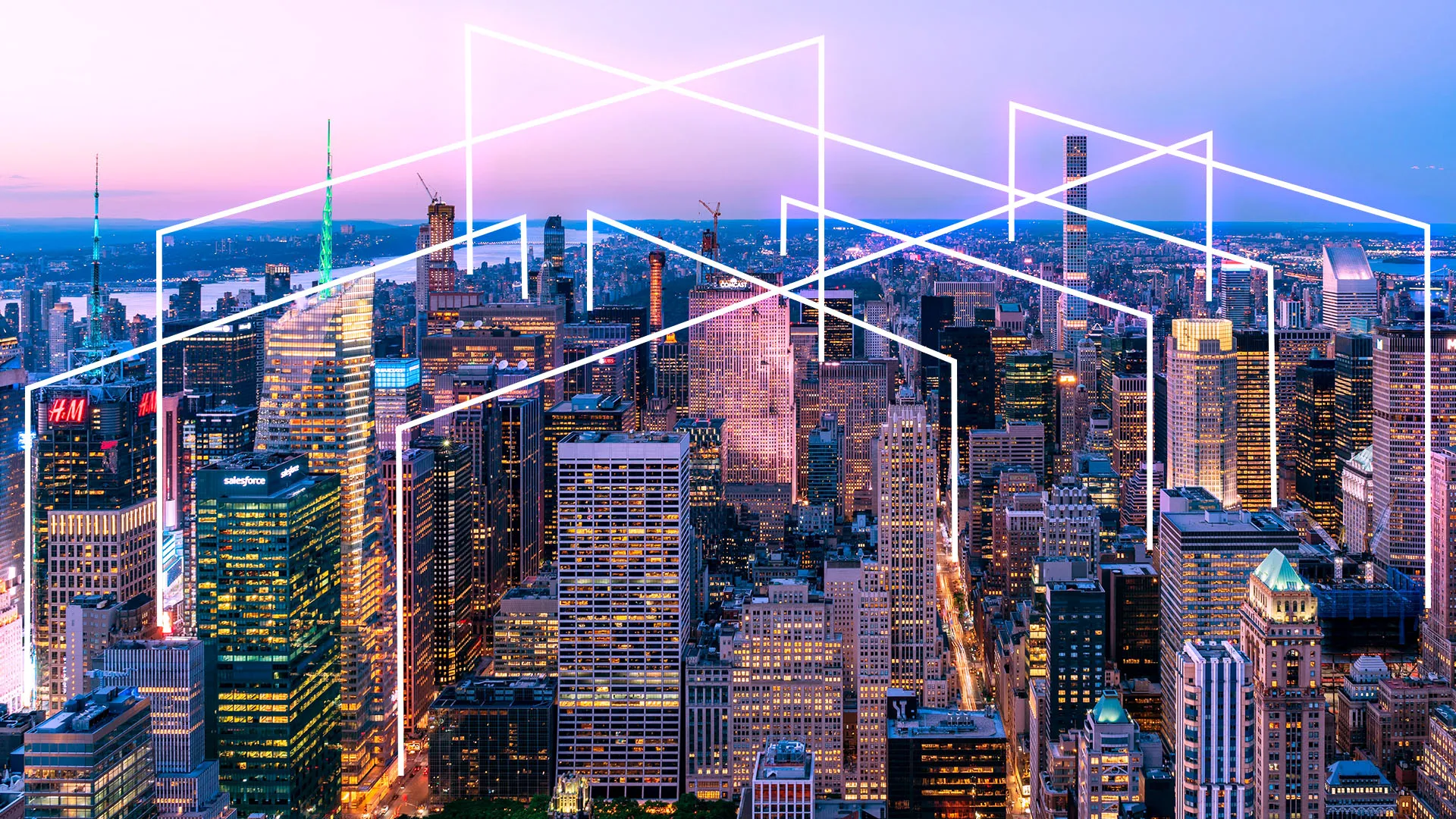
Axurbain represents a forward-thinking response to the rapid urban transformation defining the 21st century. As cities expand due to population growth, economic shifts, and technological change, they face growing challenges such as overcrowding, climate stress, aging infrastructure, pollution, and declining livability. Traditional urban planning models, often rigid and car-centered, are increasingly unable to meet these complex demands. In this context, it emerges as a holistic framework that integrates smart technology, sustainability, and human-centered design.
Rather than forcing people to adapt to cities, it envisions cities that adapt to people—creating resilient, efficient, and livable urban environments designed for the future.
What Is Axurbain?
It is a modern urban framework that focuses on creating cities designed around people, sustainability, and smart technology. It blends human-centered planning with efficient infrastructure, green architecture, and digital innovation to improve the quality of life. Rather than relying on rigid, system-driven development, it promotes adaptable, inclusive, and environmentally responsible urban spaces that support social well-being, economic growth, and long-term resilience
The Core Philosophy of Axurbain
Human-Centered Urban Design
Human-centered design is the foundation of it. Instead of designing cities around traffic flow, administrative convenience, or purely economic goals, it starts with people—their needs, behaviors, and experiences.
This approach emphasizes accessibility and inclusivity, ensuring that urban spaces are usable by people of all ages, abilities, and backgrounds. Universal design principles guide the creation of streets, buildings, and public services that are intuitive and welcoming.
Beyond physical accessibility, it seeks to enhance overall well-being. Thoughtful urban design can improve mental health by reducing stress, fostering social interaction, and providing access to nature. By creating environments that support physical activity, social connection, and emotional comfort, cities aim to improve quality of life at every level.
Technology as an Enabler, Not a Controller
While technology plays a critical role in Axurbain, it is not treated as an end in itself. Instead, digital innovation is viewed as an enabler—one that supports better decision-making, efficiency, and convenience without overshadowing human values.
It promotes the purposeful use of technologies such as artificial intelligence, the Internet of Things, and data analytics to solve real urban problems. This includes improving traffic flow, reducing energy consumption, and enhancing public services.
Equally important is avoiding over-automation and excessive tech dependency. It recognizes the risks of surveillance, loss of privacy, and exclusion that can arise from unchecked technological expansion. Ethical, transparent, and responsible use of technology ensures that innovation empowers citizens rather than controls them.
Balance Between Nature and Urban Infrastructure
A defining feature of it is its commitment to restoring balance between the built environment and nature. Dense urban development does not have to come at the cost of green space or biodiversity.
It integrates parks, green corridors, rooftop gardens, and natural landscapes into the urban fabric. These elements not only enhance aesthetic appeal but also improve air quality, regulate temperature, and support local ecosystems.
By reconnecting people with nature in their daily lives, it cities foster a deeper sense of environmental awareness and well-being. Nature becomes an integral part of urban living rather than a distant escape.
Key Principles of Axurbain
Sustainability and Environmental Responsibility
Sustainability lies at the heart of it. Energy-efficient building design reduces consumption and lowers emissions, while renewable energy sources such as solar and wind power help cities transition away from fossil fuels.
It also supports circular economy practices, where resources are reused, recycled, and managed efficiently. Waste reduction, sustainable materials, and responsible consumption contribute to long-term environmental resilience.
Connectivity and Mobility
Mobility in Axurbain cities is designed to be smart, accessible, and sustainable. Integrated transportation networks combine public transit, cycling infrastructure, and pedestrian pathways to reduce reliance on private vehicles.
Walkable and bike-friendly neighborhoods encourage healthier lifestyles while easing congestion and lowering pollution. Smart mobility systems further enhance efficiency by adapting to real-time conditions and user needs.
Mixed-Use and Adaptive Spaces
It promotes mixed-use development that blends residential, commercial, and recreational spaces. This approach shortens commute times, reduces urban sprawl, and creates vibrant neighborhoods where daily needs are within easy reach.
Adaptive urban layouts allow cities to evolve alongside changing lifestyles and economic conditions. Flexible spaces can be repurposed over time, ensuring long-term relevance and efficiency.
Axurbain in Urban Planning and Architecture
| Aspect | Key Focus | Description |
| Smart Infrastructure Development | Intelligent systems & resilience | It uses data-driven infrastructure to efficiently manage water, energy, and waste. These systems enable real-time monitoring, proactive maintenance, and long-term resilience against environmental stress, technological change, and urban growth. |
| Architectural Design in Cities | Sustainability & adaptability | Architecture emphasizes green buildings, eco-friendly materials, and energy-efficient systems. Climate-responsive designs improve comfort while reducing energy use, and vertical living supports high density without compromising livability. |
| Public Spaces and Community Design | Social interaction & inclusivity | Parks, plazas, and shared spaces encourage community engagement and social cohesion. Safety and accessibility are prioritized through well-lit streets, inclusive pathways, and human-centered urban design. |
Role of Technology in Axurbain
Smart City Technologies
Technologies such as IoT sensors and AI systems enhance urban services by enabling real-time monitoring and optimization. Traffic management, energy distribution, and public safety all benefit from data-driven insights.
Digital Governance and Transparency
It supports transparent governance through digital platforms and blockchain-based systems. These tools improve accountability, streamline public services, and enable citizen participation in decision-making.
Smart Living Solutions
From smart homes to electric mobility, it integrates digital solutions into everyday life. These systems improve efficiency, comfort, and sustainability while creating connected urban ecosystems.
Axurbain and Sustainability Goals
Climate-Resilient Cities
Cities are designed to adapt to climate challenges. Strategies such as heat mitigation, flood control, and air quality improvement enhance urban resilience.
Green Urban Practices
Urban farming, rooftop gardens, and sustainable water management systems help cities become more self-sufficient and environmentally responsible. Waste reduction and recycling further support sustainability goals.
Health and Well-Being Impact
By reducing pollution, noise, and congestion, it cities create healthier living conditions. Access to green spaces and active mobility options promotes physical activity, mental well-being, and overall quality of life.
Economic and Business Impact of Axurbain
Innovation and Entrepreneurship
It creates fertile ground for innovation by fostering startup hubs and innovation districts within urban environments. These ecosystems bring together entrepreneurs, researchers, investors, and institutions in proximity, encouraging collaboration and rapid experimentation. Shared workspaces, digital infrastructure, and access to data enable startups to develop solutions tailored to real urban challenges.
Digital-first business ecosystems are a defining feature of cities. Cloud-based services, smart logistics, and connected platforms lower barriers to entry for new ventures. As a result, small and medium-sized enterprises can compete more effectively, accelerating innovation across sectors such as mobility, energy, health, and urban services.
Job Creation and Economic Growth
The Axurbain model supports diverse employment opportunities by aligning economic growth with sustainability. Green jobs—ranging from renewable energy installation to urban farming and environmental management—play a growing role in their economies.
At the same time, technology-driven employment expands through fields such as data science, artificial intelligence, urban analytics, and smart infrastructure management. By integrating sustainability into economic planning, it promotes long-term development models that reduce environmental risk while maintaining steady growth and resilience.
Attracting Investment and Talent
Cities are increasingly competitive on a global scale. Their emphasis on quality of life, innovation, and sustainability makes them attractive destinations for international investors seeking stable, future-ready environments.
Skilled professionals and creatives are drawn to it cities because of their vibrant cultural scenes, flexible work environments, and opportunities for collaboration. This influx of talent further strengthens local economies and positions cities as global innovation leaders.
Social and Cultural Dimensions of Axurbain
Community Building and Social Inclusion
Social cohesion is a cornerstone of it. Urban design prioritizes shared spaces, walkable neighborhoods, and community-focused amenities that encourage interaction and belonging. These environments strengthen local communities and foster trust among residents.
Affordable housing remains a critical consideration within the it framework. Inclusive development strategies aim to prevent displacement and reduce urban inequality by ensuring access to housing, services, and opportunities for diverse populations.
Education and Knowledge Ecosystems
It supports education as a lifelong process. Smart learning environments integrate digital tools into schools, universities, and public spaces, enabling flexible and accessible education.
Beyond formal institutions, Axurbain cities encourage continuous learning through community centers, innovation labs, and online platforms. This knowledge-driven ecosystem prepares residents to adapt to changing economic and technological landscapes.
Cultural Preservation and Evolution
Modernization does not require cultural erasure. It seeks to balance innovation with tradition by protecting cultural heritage while allowing it to evolve.
Historic neighborhoods, local art, and cultural practices are integrated into contemporary urban design. This approach preserves identity and ensures that cities remain culturally rich and authentic even as they modernize.
Case Studies and Real-World Inspirations
Cities Reflecting Axurbain Principles
- Many cities worldwide showcase its elements through smart, sustainable urban transformation.
- Key features include integrated mobility systems, green infrastructure, and people-focused public spaces.
- Successful examples highlight the importance of holistic planning, combining technology, sustainability, and community engagement rather than implementing them separately.
Urban Regeneration and Revitalization
- Its principles are effective in revitalizing neglected urban areas.
- Old infrastructure, such as industrial zones, abandoned railways, or waterfronts, can be repurposed for modern use.
- Community-driven initiatives allow residents to actively shape redevelopment projects.
- Participatory approaches increase public acceptance, preserve local identity, and promote inclusive urban growth.
Challenges and Limitations of Axurbain
Financial and Investment Barriers
Transforming cities according to its principles requires significant investment. Upgrading infrastructure, deploying smart technologies, and implementing sustainable systems can be costly.
Balancing public and private funding presents an additional challenge. While private investment can accelerate development, strong public oversight is necessary to ensure equitable and long-term benefits.
Digital Divide and Accessibility
The digital divide poses a serious risk to inclusive urban development. Unequal access to technology can exclude vulnerable populations from the benefits of smart cities.
It emphasizes the need for universal access to digital services, affordable connectivity, and digital literacy programs to ensure that no group is left behind.
Policy and Regulatory Constraints
Outdated urban planning laws and rigid regulations can slow innovation. Axurbain requires adaptive governance models that allow cities to experiment, evolve, and respond to emerging challenges.
Policy frameworks must be flexible enough to support new technologies while safeguarding public interests.
How Individuals Can Embrace Axurbain
Sustainable Lifestyle Choices
Individuals play a vital role in realizing the it vision. Choosing eco-friendly transportation, reducing consumption, and using energy-efficient technologies at home contribute to more sustainable cities.
Community Participation
Supporting local initiatives, engaging in neighborhood projects, and participating in urban decision-making processes strengthen community resilience and inclusion.
Digital and Cultural Engagement
Using digital platforms for collaboration and promoting local culture helps sustain creative and connected urban environments. Cultural participation ensures that cities remain vibrant and human-centered.
The Future Vision
It is poised for global expansion, with its principles likely to be adopted in both developed and developing cities, provided they are adapted to local contexts rather than applied uniformly. Emerging technologies such as artificial intelligence, virtual reality, and metaverse platforms will play a key role in shaping these cities, enhancing urban simulations, planning accuracy, and citizen engagement. Predictive analytics will further allow cities to anticipate challenges and optimize resources efficiently. At the same time,
Axurbain emphasizes citizen-led urban development, using digital platforms and collaborative tools to empower residents to co-create solutions, actively participate in planning, and foster a sense of ownership and responsibility, ultimately strengthening democratic governance and community engagement.
Conclusion
It represents a comprehensive vision for the future of urban living. By combining human-centered design, smart technology, sustainability, and cultural vitality, it addresses the most pressing challenges facing modern cities.
As urban populations continue to grow, the Axurbain model offers a path toward cities that are not only efficient and innovative but also inclusive, resilient, and deeply connected to human needs. Its principles have the potential to reshape how cities are built, experienced, and sustained in the decades to come.











Post Comment