Holisticke: An Approach to Mind, Body, and Spirit Wellness
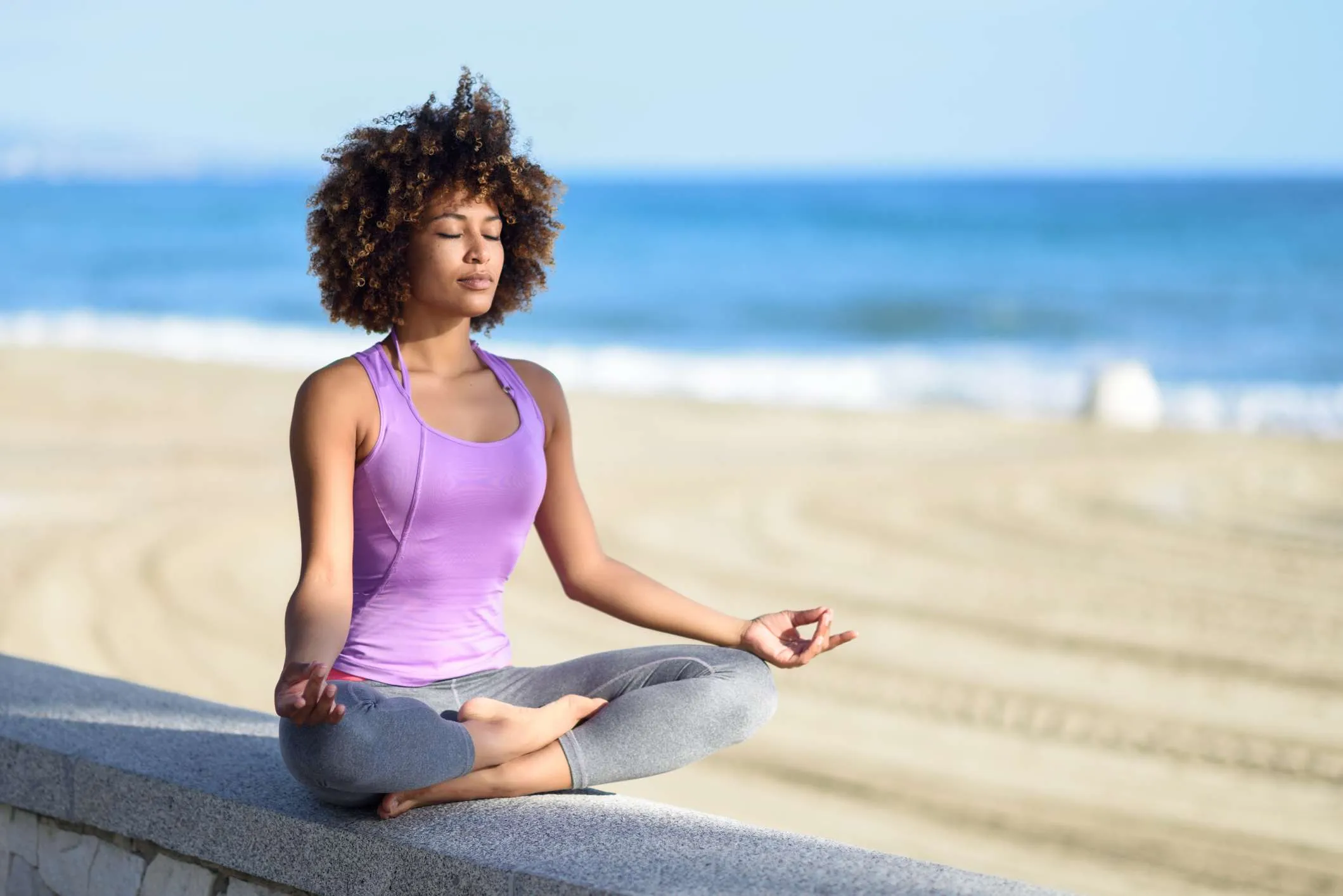
Holisticke is a wellness concept built around the idea of achieving complete balance and overall well-being. Unlike approaches that target a single aspect of health, it integrates physical, mental, emotional, and spiritual dimensions into a unified system. It emphasizes that optimal health is not just about the absence of disease, but about nurturing vitality, clarity, and harmony across all areas of life.
In today’s fast-paced world, stress, burnout, and lifestyle imbalances have become common challenges. Many individuals experience mental overload, poor nutrition, irregular routines, and emotional strain. In response, there is a growing interest in sustainable wellness approaches that support long-term well-being rather than quick fixes.
The Core Philosophy of Holisticke
At the heart of it is the understanding that all dimensions of life are interconnected. Physical health affects mental and emotional stability, and vice versa. Spiritual wellness can influence decision-making and resilience. Ignoring any single aspect disrupts overall balance.
It emphasizes balance over isolation. Focusing solely on fitness, for example, while neglecting emotional or spiritual health, will not result in holistic well-being. Instead, the approach encourages individuals to cultivate self-awareness by listening to their bodies, understanding their emotions, and making conscious lifestyle choices.
A long-term wellness perspective is central to Holisticke. Progress is gradual and sustainable, avoiding extremes or temporary solutions. By adopting steady, mindful habits, individuals can maintain balance over time and experience lasting improvement across all dimensions of life.
Historical and Traditional Roots
It draws inspiration from ancient Eastern healing traditions:
- Ayurveda emphasizes the balance of body, mind, and spirit through diet, daily routines, and energy therapies.
- Traditional Chinese Medicine (TCM) focuses on maintaining energy flow (Qi) and holistic harmony across all bodily systems.
Several ancient practices are now integral to Holisticke:
- Herbal therapy to support physical and mental wellness.
- Meditation and mindfulness for mental clarity and emotional balance.
- Movement-based healing, such as yoga and tai chi,to align the body and mind.
Modern combines these traditions with scientific research and contemporary therapies. It acknowledges the impact of emotional and psychological factors on physical health, creating a bridge between traditional wisdom and modern medical insights.
Key Principles of Holisticke
The practice of it is guided by several core principles:
- Prevention and Proactive Care – Addressing health proactively rather than waiting for illness.
- Mindfulness and Mental Clarity – Practicing awareness to reduce stress and improve decision-making.
- Personal Growth and Emotional Intelligence – Developing self-understanding and resilience.
- Flexibility and Adaptability – Adapting practices to fit individual lifestyles and needs.
- Sustainability in Daily Habits – Choosing practices that can be maintained long-term for lasting balance.
Core Practices in Holisticke
It combines mental, physical, and spiritual practices along with lifestyle integration to achieve holistic well-being.
Mental Practices
- Meditation – Enhances focus, reduces stress, and improves emotional regulation.
- Mindfulness exercises – Encourage present-moment awareness and reduce reactive behavior.
- Journaling and self-reflection – Facilitate emotional processing and personal insight.
Physical Practices of Holisticke
- Yoga and stretching – Improve flexibility, posture, and energy flow.
- Walking, dancing, or other moderate exercises – Promote cardiovascular health and physical vitality.
- Nutrition and hydration – Support sustained energy, immunity, and overall wellness.
Energy and Spiritual Practices
- Reiki, sound healing, or energy balancing – Restore vibrational harmony and support emotional wellness.
- Breathwork and relaxation techniques – Calm the nervous system and enhance mental clarity.
Lifestyle Integration
- Consistent daily routines – Encourage structure and balance in daily life.
- Reducing digital overload – Minimize stress from constant connectivity.
- Prioritizing sleep and restorative practices – Support recovery and long-term health.
Holisticke vs Conventional Medicine
Conventional Medicine
- Focuses primarily on diagnosing and treating symptoms.
- Relies heavily on medication or surgical interventions.
- Often addresses problems after they arise rather than preventing them.
Approach
- Addresses the root causes of imbalance, including lifestyle, emotions, and mindset.
- Promotes preventive care alongside long-term wellness strategies.
- Encourages active participation in personal healing and well-being.
Complementary Role
Holistic care does not replace conventional medicine but works alongside it to enhance overall health. By integrating holistic practices with medical treatment, individuals can achieve more sustainable, balanced, and effective results.
Benefits of Holisticke
It offers a wide range of benefits that extend beyond traditional wellness approaches, encompassing physical, mental, emotional, and lifestyle improvements.
Physical Benefits
- Improved energy, immunity, and sleep: By promoting balanced nutrition, regular movement, and restorative practices, Holisticke supports natural energy levels, strengthens the immune system, and enhances sleep quality.
- Better physical alignment and movement: Practices like yoga, stretching, and mindful exercise help improve posture, flexibility, and overall body coordination, reducing the risk of injury and discomfort.
Mental and Emotional Benefits
- Stress reduction and emotional stability: Meditation, mindfulness, and breathwork calm the nervous system, allowing individuals to manage stress more effectively and respond to challenges with clarity.
- Enhanced self-awareness and resilience: Self-reflection, journaling, and holistic practices encourage emotional intelligence and resilience, fostering a stronger connection between thoughts, feelings, and actions.
Lifestyle Benefits
- Better decision-making and purposeful living: With increased self-awareness, individuals can align daily choices with personal values and long-term goals, resulting in a more meaningful and intentional life.
- Sustainable, long-term habits and overall harmony: By emphasizing gradual, consistent improvement, it promotes habits that are maintainable and create balance across all areas of life.
Common Misconceptions of Holisticke
Despite its growing popularity, it is often misunderstood. Here are some common misconceptions:
- Holisticke replaces medical care → False
It complements conventional medicine by addressing lifestyle, emotional, and mental factors that contribute to wellness. It does not replace necessary medical treatment. - Only spiritual people can practice → False
It is inclusive and accessible to anyone, regardless of belief system or spiritual orientation. - Requires major lifestyle changes → False
Even small, consistent practices such as mindful breathing, short movement sessions, or gratitude journaling can yield meaningful results. - Lacks scientific evidence → False
Research supports many it practices, including meditation, yoga, mindfulness, and integrative therapies, demonstrating measurable improvements in stress, sleep, immunity, and emotional well-being.
Incorporating Holisticke into Daily Life
Integrating its principles does not require drastic lifestyle overhauls. Small, consistent steps can create meaningful change:
- Morning mindfulness routines: Begin each day with meditation, deep breathing, or reflective journaling.
- Balanced nutrition and hydration: Focus on whole foods, hydration, and meals that support energy and overall health.
- Daily movement and exercise: Incorporate yoga, walking, dancing, or other forms of moderate exercise.
- Connection with nature: Spend time outdoors to reduce stress and restore mental clarity.
- Journaling and reflection: Process emotions, track personal growth, and set intentions.
- Supportive social environment: Build relationships that encourage well-being, positivity, and personal growth.
- Gradual, consistent integration: Introduce new practices slowly, making them sustainable rather than overwhelming.
Holisticke as a Lifestyle and Personal Growth Tool
Beyond physical health, it serves as a framework for personal development and self-discovery:
- Alignment of actions with personal values: Ensures daily choices reflect true priorities and life goals.
- Emotional maturity and self-understanding: Promotes introspection and awareness of thought and behavior patterns.
- Building inner resilience and confidence: Strengthens the ability to cope with stress, setbacks, and challenges.
- Promoting long-term fulfillment and purpose: Encourages a life of intentionality, harmony, and satisfaction across multiple dimensions.
Future Potential of Holisticke
The potential of Holisticke as a recognized wellness philosophy is significant:
- Increased adoption globally: As awareness grows, more individuals are likely to embrace holistic thinking for mental, emotional, and physical balance.
- Integration with technology and wellness platforms: Apps, wearable devices, and online programs could make it principles more accessible.
- Adaptability to modern challenges: Offers tools to manage stress, digital overload, and mental health crises.
- Expansion into global lifestyle and wellness communities: Its flexible and inclusive approach makes it applicable across cultures, professions, and age groups.
Conclusion
It is more than a trend—it represents a holistic system for long-term balance, awareness, and sustainable well-being. By connecting mind, body, and lifestyle into one unified framework, it encourages conscious choices, intentional living, and personal growth.
In a world dominated by stress, quick fixes, and constant demands, Holisticke stands out as a thoughtful and realistic approach to wellness. Its focus on harmony rather than extremes allows anyone to build a resilient, purposeful, and fulfilling life.








Post Comment