Insoya: Evolution of Soy for Nutrition, Health, and Sustainability
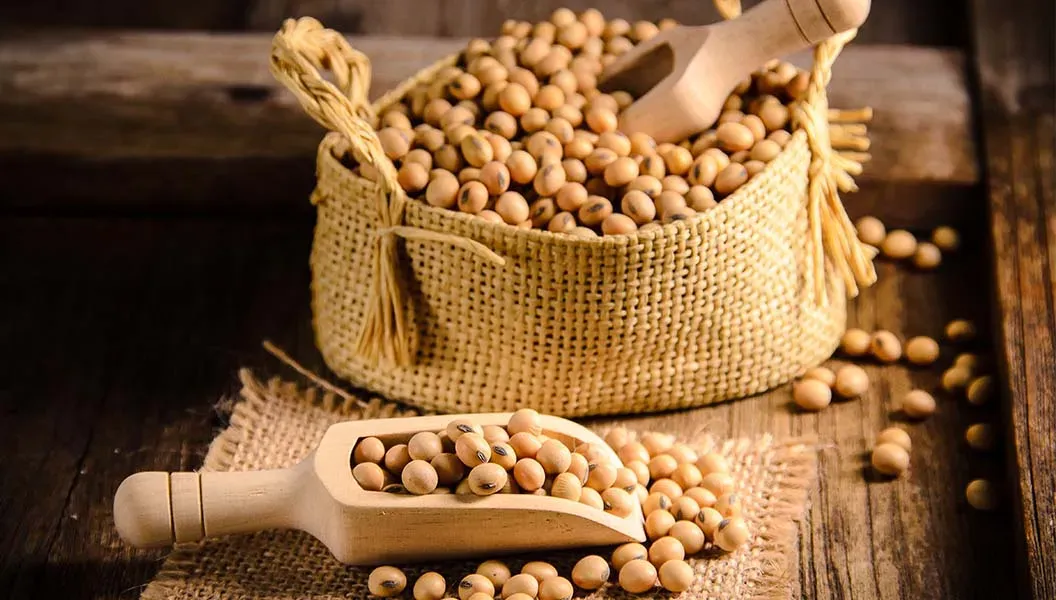
Insoya has emerged as a leading innovation in the plant-based nutrition movement. In recent years, global nutrition trends have dramatically shifted toward plant-based diets, as consumers increasingly recognize the health, ethical, and environmental drawbacks of traditional animal-based foods. While soy has long been a staple in vegetarian and vegan diets, Insoya represents a next-generation, technologically enhanced, and nutritionally optimized form of soy protein that combines modern food science with sustainability and holistic health.
It is not merely a food product; it is a holistic approach to nutrition, sustainability, and wellness. From protein powders to dairy alternatives and advanced food technology products, it combines tradition, science, and innovation to meet modern dietary demands. This article explores it in detail, including its nutritional benefits, health advantages, culinary versatility, sustainability impact, technological innovations, cultural relevance, challenges, and future prospects.
Understanding Insoya
Definition and Modernization of Soy
It is best described as a modernized approach to soy, designed to address contemporary nutritional needs while improving taste, digestibility, and usability. Unlike traditional soy products such as tofu, tempeh, or soy milk, which may require preparation and carry a strong bean flavor, these products are refined, convenient, and nutritionally optimized.
Through advanced processing techniques, Insoya delivers high-quality protein, essential micronutrients, and functional compounds such as isoflavones in forms that are easy to integrate into daily diets. Available as protein powders, textured soy proteins, ready-to-use flours, or fortified food products, it brings the benefits of soy to a wider audience, including vegans, vegetarians, athletes, and families.
Four Key Pillars
- Nutrition: it provides complete protein, essential amino acids, dietary fiber, and micronutrients in bioavailable forms.
- Sustainability: Soy production requires significantly fewer natural resources compared to animal agriculture, making it eco-friendly.
- Innovation: Modern food technologies enhance flavor, texture, and nutrient absorption, making soy-based foods more enjoyable and effective.
- Accessibility: Affordable, easy-to-use, and versatile, Insoya ensures plant-based nutrition is within reach for global communities.
Lifestyle
Beyond its nutritional value, it has evolved into a lifestyle choice, representing conscious eating, environmental responsibility, and holistic wellness. Incorporating it into daily meals aligns with the growing movement toward mindful consumption and sustainable living.
Historical & Cultural Context of Insoya
Ancient Roots of Soy
Soy has a rich and long-standing history, particularly in Asian countries such as China, Japan, and Korea. For thousands of years, soybeans have been a dietary staple, consumed in various forms including tofu, miso, tempeh, soy sauce, and natto. These traditional foods were highly valued for their nutritional content, particularly as a source of plant-based protein in societies where meat was scarce or expensive.
Soy also held cultural significance, often featuring in rituals, celebrations, and everyday meals. Its adaptability allowed it to be fermented, processed, and transformed into diverse flavors and textures, forming the basis of many regional cuisines.
Soy in the Western World
With globalization, soy gradually entered Western markets and became a foundation for modern plant-based alternatives, including meat substitutes, soy milk, and dairy-free products. This transition reflected both dietary and environmental awareness, as consumers sought healthy, sustainable, and ethical alternatives to animal products.
From Tradition to Innovation
It bridges the gap between ancient soy traditions and modern food technology. By combining the heritage of traditional soy products with innovative processing methods, it retains nutritional benefits while meeting the demands of contemporary consumers seeking convenience, taste, and sustainability.
Nutritional Profile of Insoya
Protein Content
At the core of it, nutritional strength is its high-quality protein, which contains all nine essential amino acids. This makes Insoya protein comparable to animal sources like eggs, milk, and meat, offering a complete plant-based alternative. It supports muscle repair, growth, metabolism, and overall wellness, making it particularly valuable for athletes, fitness enthusiasts, and individuals on plant-based diets.
Micronutrients
It is often fortified with essential vitamins and minerals, including:
- Vitamin B12: Supports energy metabolism and neurological health.
- Vitamin D: Enhances calcium absorption and bone health.
- Calcium & Magnesium: Key for bone density and muscular function.
- Iron & Zinc: Essential for immunity, red blood cell formation, and cellular repair.
Functional Compounds
- Isoflavones: Natural phytoestrogens with antioxidant properties that help regulate hormones, particularly in women.
- Dietary Fiber: Supports digestive health, promotes satiety, and helps regulate blood sugar.
- Polyunsaturated Fats: Heart-friendly, providing essential fatty acids without cholesterol or excessive saturated fats.
Bioavailability
Advanced processing methods like fermentation and micronutrient fortification enhance nutrient bioavailability, ensuring that the body can effectively absorb and utilize proteins, minerals, and vitamins.
Health Benefits of Insoya
Cardiovascular Health
Studies show that soy protein, like that found in it, can lower LDL cholesterol, improve blood lipid profiles, and reduce the risk of cardiovascular disease. Its combination of polyunsaturated fats, fiber, and plant-based nutrients makes it heart-friendly and suitable for long-term wellness.
Hormonal Support
Isoflavones in Insoya help regulate hormonal balance, making it particularly beneficial for women during menopause or post-pregnancy recovery. They may reduce hot flashes, support bone health, and maintain hormonal homeostasis.
Bone Health
Fortified, it contains calcium and magnesium, critical for bone density and the prevention of osteoporosis, especially in older adults.
Weight Management
With its high protein, high fiber, and low-calorie profile, it promotes satiety, reduces overeating, and supports healthy weight loss or maintenance programs.
Digestive Health
The fiber and probiotics in fermented it products enhance gut microbiome balance, improve bowel regularity, and support overall digestive wellness.
Blood Sugar Control
Its low glycemic index makes it ideal for managing blood sugar levels, making it suitable for diabetic diets.
Chronic Disease Prevention
Isoflavones, antioxidants, and anti-inflammatory compounds in Insoya may reduce the risk of chronic diseases such as diabetes, certain cancers, and heart disease.
Fitness & Recovery
Athletes and active individuals benefit from its protein-rich profile, which supports muscle repair, endurance, and post-workout recovery.
Culinary Applications
Dairy Alternatives
It powers soy milk, yogurt, and cheese alternatives, providing nutrition without lactose, making it ideal for those with dairy intolerance or preferences for plant-based diets.
Meat Alternatives
Insoya forms the foundation for vegan burgers, nuggets, sausages, and textured protein, offering meat-like taste and texture for mainstream adoption.
Protein Powders & Supplements
Athletes and fitness enthusiasts use protein powders in shakes and smoothies for muscle recovery, endurance, and overall performance.
Snacks & Convenience Foods
Soy crisps, protein bars, and ready-to-drink shakes make it easy to integrate Insoya into busy lifestyles.
Cooking & Baking
Flour and textured protein can be used in bread, pastries, muffins, and fusion recipes, allowing creative culinary use without compromising nutrition.
Meal Ideas
- Breakfast: Smoothies with soy protein, protein pancakes, and soy milk with cereal.
- Lunch: Tofu wraps, tempeh stir-fries, soy burgers.
- Dinner: Curries, chili, rice bowls with textured soy protein.
- Snacks: Soy crisps, protein bars, smoothies.
- Baking: Muffins, bread, cookies enriched with soy flour.
Sustainability and Environmental Impact of Insoya
Lower Carbon Footprint
Soy production emits significantly fewer greenhouse gases than animal farming, reducing global carbon impact.
Water Efficiency
Soy requires far less water than livestock, conserving this precious resource.
Land Use
Higher protein yield per hectare reduces the need for deforestation and land clearing.
Ethical Practices
Many Insoya brands prioritize non-GMO cultivation, organic farming, and eco-friendly packaging, aligning with sustainable consumer preferences.
Global Food Security
It offers an affordable, protein-rich option, making it a practical solution for feeding growing populations in developing regions.
Global Food Trends and Market Potential
- Plant-Based Movement: Vegan, vegetarian, and flexitarian adoption is accelerating.
- Functional Foods: It is fortified with vitamins and minerals aligns with health-conscious consumers.
- Clean-Label Trend: Minimally processed, additive-free products appeal to a wider audience.
- Fusion Cuisine & Social Media: Innovative Insoya recipes are shared globally by influencers.
- Market Growth: Plant-based markets are projected to exceed $70 billion by 2030, with it poised to play a leading role.
Challenges and Limitations
- Soy Allergies: Limits consumption for some individuals.
- GM Soy Concerns: Preference for organic and non-GMO products.
- Processing Skepticism: Highly processed soy may lose nutritional value.
- Taste & Cultural Acceptance: Soy flavor is not universally enjoyed.
- Cost & Accessibility: Plant-based alternatives can be more expensive in certain regions.
Role of Technology in Insoya
- Fermentation: Enhances digestibility and probiotic benefits.
- Extrusion: Creates meat-like textures for wider consumer appeal.
- Fortification: Enriches with B12, vitamin D, and calcium.
- AI & Smart Farming: Optimizes yields, reduces environmental impact.
- Bioengineering: Reduces allergens, improves amino acid profiles.
Cultural Significance
- Bridges traditional soy recipes with modern plant-based innovations.
- Symbol of sustainable living for younger, eco-conscious generations.
- Acts as a social and cultural connector, integrating nutrition, heritage, and innovation.
Practical Tips for Including Insoya
| Meal | Insoya-Based Options |
|---|---|
| Breakfast | Smoothies, protein pancakes, soy milk in cereal |
| Lunch | Tofu wraps, soy burgers, stir-fries |
| Dinner | Curries, rice bowls, protein-rich chili |
| Snacks | Protein bars, soy crisps |
| Baking | Muffins, bread, cookies enriched with soy flour |
Potential Side Effects and Considerations
- Soy allergies must be avoided.
- Isoflavones may need moderation for sensitive individuals.
- People with thyroid conditions should consult a healthcare provider.
- Overconsumption may cause digestive discomfort.
- Recommended intake: 25–50g daily depending on activity levels.
Insoya vs Traditional Soy Products
- Convenience: Ready-to-use powders and textured protein.
- Taste & Texture: Milder, smoother, and more palatable.
- Nutritional Retention: Improved nutrient bioavailability through fortification and fermentation.
Consumer Feedback & Success Stories
- Athletes report improved muscle recovery and energy.
- Families successfully adopt dairy-free options.
- Social media influencers showcase innovative recipes.
- Users report better digestion, satiety, and cholesterol management.
Future Outlook
- Market expansion in retail and online platforms.
- Personalized nutrition and tailored Insoya supplements.
- Eco-friendly packaging and zero-waste initiatives.
- Integration into smart foods and AI-driven diets.
- Positioned as a long-term global plant-based staple.
Conclusion
It is far more than a plant-based protein—it is a holistic concept that combines nutrition, health, sustainability, and innovation. By offering complete protein, essential nutrients, and multiple health benefits, Insoya rivals animal proteins without their ethical or environmental drawbacks.
Its versatility, digestibility, and affordability make it suitable for individuals of all ages and lifestyles. By integrating it into meals, consumers contribute not only to personal health but also to a sustainable and ethical food system. As plant-based, clean, and functional food trends continue to grow, it is poised to become a household name and a global dietary standard, representing a healthier body and a healthier planet.












Post Comment