Lamp Shade Frame Types and How They Affect Fit and Shape
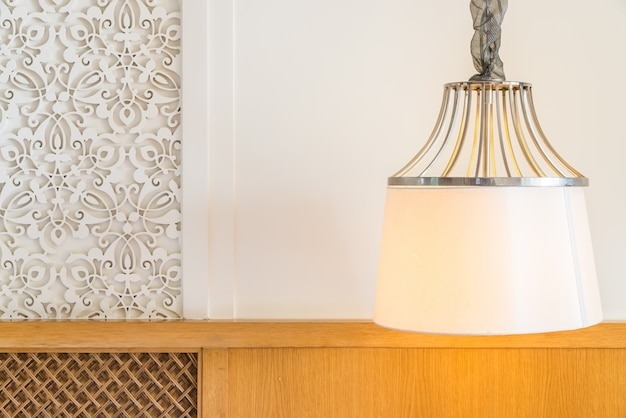
Ever look at a lamp and think, “I love the base, but that shade has got to go”? Replacing a lampshade is one of the quickest ways to refresh a room, but it’s not just about picking a pretty fabric. The secret to a high-end look lies in the lamp shade frame.
Think of the frame as the skeleton of your shade. It doesn’t just hold the fabric up; it dictates the silhouette, the way light spills onto your walls, and—most importantly—how it actually attaches to your lamp.
If you’re considering an upgrade or even diving into the world of painted lampshades, understanding the frame is your first step.
The “Fitter”: How It Sits
Before you fall in love with a shape, you need to know how the lamp shade frame connects to your light source. It is called the “fitter.”
- Spider Fitters: These are the most common. They have metal arms (the “spider”) that meet in a small center ring. This ring sits on a U-shaped metal bracket called a “harp” and is secured by a decorative screw-top known as a finial.
- Uno Fitters: These are found mostly on table lamps or floor lamps. The frame has a larger center ring that slides directly onto the socket before you screw in the lightbulb.
- Clip-On Fitters: These literally “clip” directly onto the bulb. They are the standard for mini shades, especially chandelier or small wall lamp shades.
Classic Shapes and Their Personalities
The vertical wires and horizontal rings of a lamp shade frame create the final shape. Here are the big players:
The Drum: Modern & Balanced
A drum frame is a perfect cylinder—the top and bottom rings are the same size.
- The Fit: Because it’s symmetrical, it works on almost any base.
- The Light: It casts light equally up and down, making it great for ambient lighting in a living room.
The Empire: The Elegant Classic
An Empire frame is tapered, with a top ring that is usually about half the diameter of the bottom.
- The Fit: It’s a “safe” bet for traditional bases.
- The Light: Because the bottom is so wide, it funnels a lot of light downward. It makes them the ultimate choice for a reading lamp.
The Bell: Romantic and Ornate
A bell frame has curved “ribs” that flare out at the bottom like a skirt.
- The Fit: These frames are often used for softback shades where the fabric is stretched and sewn.
- The Light: Like the Empire, it provides great downward light but with a softer, more decorative “throw.”
Special Considerations: Wall and Painted Shades
When you are dealing with wall lampshades, space is your biggest constraint. A full-sized round frame might stick out too far and get knocked into. Instead, look for half-round or shield frames.
These have a flat back that sits flush against the wall, giving you the look of a shade without the bulk. If you’re planning on creating painted lamp shades, the frame material matters. If you are painting a “hardback” shade (fabric laminated to a plastic sheet), the frame is hidden.
But if you are painting a “naked” frame for an industrial look, you’ll want a frame with a clean finish, like powder-coated white or polished brass, since the skeleton becomes the star of the lighting show!
Conclusion
The right lamp shade frame is the difference between a lamp that looks “fine” and one that looks custom-designed. Once you know your fitter and your favorite silhouette, you can play with colors and textures with total confidence.
FAQs
Can I use a spider-fitter shade on an Uno-socket lamp?
Not directly, but you can buy a “shade converter” or a separate harp that attaches to your socket to make it work.
Why does my shade look crooked?
It’s usually the fitter. If you have a spider fitter, make sure your harp is seated correctly in the “saddle” (the base of the lamp neck).
What frame is best for a narrow hallway?
Go for an oval or rectangular frame. These provide the height and style of a shade but have a slimmer profile, so they don’t block the path.
Can I paint the metal frame itself?
Yes! If you’re going for a “bare frame” look, you can use metal-friendly spray paint to change a silver frame to matte black or gold.
How do I measure a frame for a replacement?
Measure the top diameter, the bottom diameter, and the “slant” (the length of the side wire). It ensures your new shade will have the same silhouette.
Disclaimer
The information provided in this article, Lamp Shade Frame Types and How They Affect Fit and Shape, is for general informational and educational purposes only. While we aim to provide accurate and up-to-date guidance on lamp shade frames, fit, and lighting considerations, individual results may vary depending on lamp type, materials, and installation practices. This content is not a substitute for professional advice. Readers should exercise caution and follow manufacturer instructions when selecting, modifying, or installing lamp shades and frames. The author and publisher are not responsible for any damage, injury, or loss resulting from the use of the information provided.











Post Comment