Wall-Mounted Base Station Battery Cabinet vs Base Station Energy Cabinet: A Complete Guide
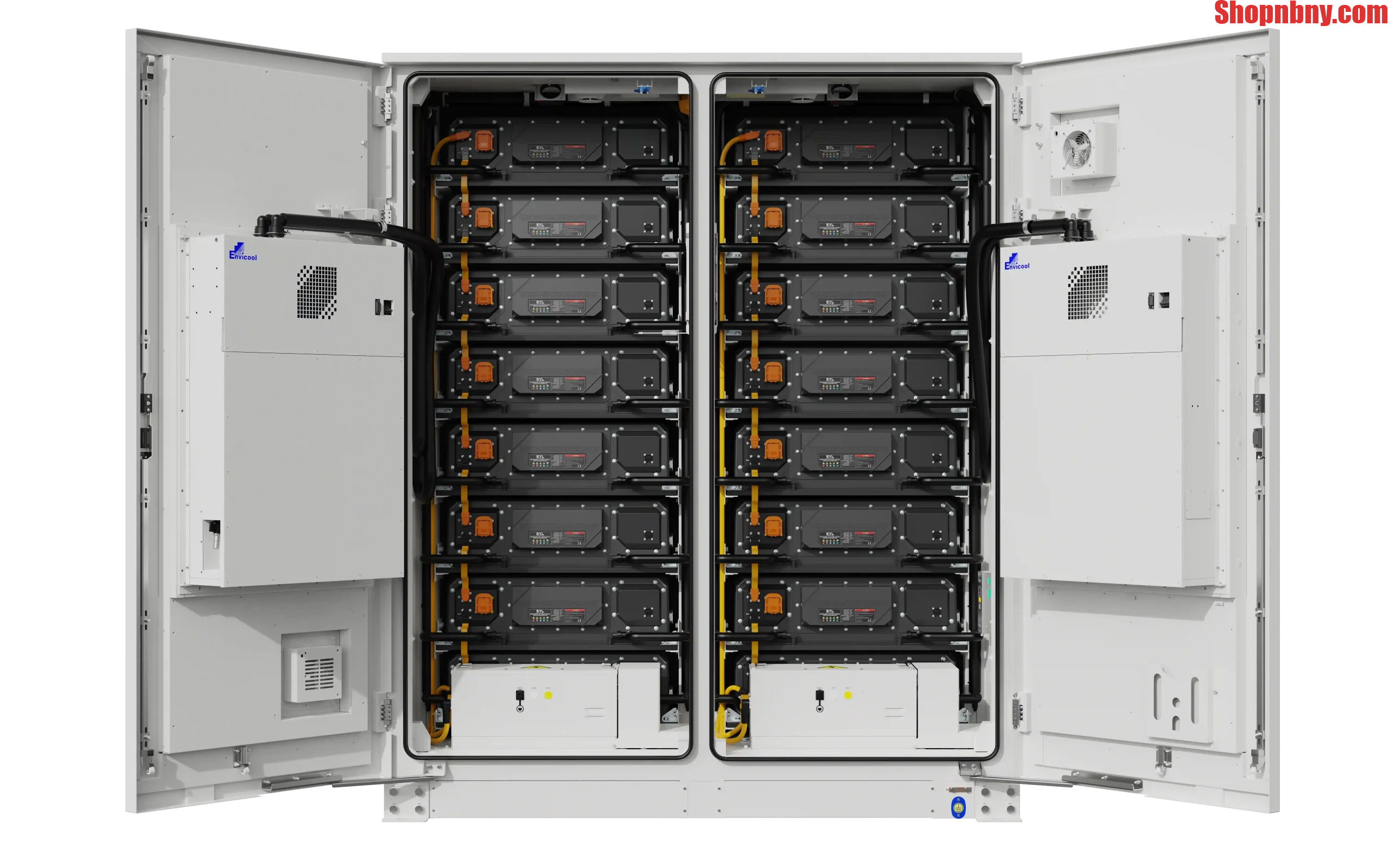
As telecom infrastructure rapidly expands with 4G and 5G networks, reliable power solutions have become essential. Two important components in modern communication systems are the Wall-Mounted Base Station Battery Cabinet and thebase station energy cabinet. While both are designed to support power and battery systems, they serve different roles depending on capacity, installation, and operational needs.
What is a Wall-Mounted Base Station Battery Cabinet?
A wall-mounted base station battery cabinet is a compact enclosure designed to store backup batteries for telecom equipment. These cabinets are typically installed on walls or poles, making them ideal for locations where space is limited.
They are widely used in urban telecom setups, rooftops, and remote sites where quick deployment and minimal footprint are required. Despite their smaller size, these cabinets provide strong protection against environmental factors such as dust, rain, and temperature changes.
Key Features of Wall-Mounted Battery Cabinets
- Space-saving wall or pole-mounted design
- Weatherproof construction with IP-rated protection
- Supports lithium-ion and VRLA battery systems
- Integrated ventilation or cooling options
- Secure locking systems for safety
These cabinets ensure that telecom systems continue operating during power outages by providing reliable backup energy. In distributed network setups, their compact design allows easy installation without the need for large infrastructure.
What is a Base Station Energy Cabinet?
A base station energy cabinet is a more advanced and integrated solution that combines power distribution, battery storage, and monitoring systems into a single enclosure. It plays a critical role in ensuring continuous and stable power supply for telecom networks.
These cabinets are designed for outdoor use and are built with durable materials like galvanized steel or aluminum. They feature high protection ratings (IP54–IP65), making them resistant to dust, moisture, and corrosion.
Unlike simple battery enclosures, energy cabinets integrate multiple systems, including rectifiers, converters, and intelligent monitoring units. This allows efficient power management and real-time system control.
Key Features of Base Station Energy Cabinets
- Integrated AC/DC power systems and battery modules
- Advanced monitoring and control systems
- High-capacity design for large telecom installations
- Thermal management with cooling or air conditioning
- Durable, weather-resistant construction
These cabinets act as the central power hub for telecom base stations, ensuring uninterrupted operation even during grid failures.
Key Differences Between the Two
Although both cabinets support telecom power systems, they differ significantly in design and functionality.
1. Capacity and Functionality
Wall-mounted battery cabinets are designed mainly for battery storage, while base station energy cabinets provide a complete power management solution, including distribution and monitoring.
2. Size and Installation
Wall-mounted cabinets are compact and installed on walls or poles, whereas energy cabinets are larger and usually floor-standing for higher capacity.
3. Power Integration
Energy cabinets integrate multiple power components such as rectifiers and converters, forming a complete system. Wall-mounted cabinets focus on storing backup batteries.
4. Application Scope
Wall-mounted cabinets are suitable for small to medium telecom sites, while energy cabinets are used in large-scale base stations and communication hubs.
5. Environmental Performance
Both cabinets offer environmental protection, but energy cabinets are typically designed for more demanding outdoor conditions and continuous operation.
Applications of Wall-Mounted Base Station Battery Cabinets
These cabinets are commonly used in:
- Urban telecom networks
- Rooftop base stations
- Small cell deployments
- Remote communication sites
- Edge network installations
Their compact design makes them ideal for areas where space is limited but reliable backup power is still required.
Applications of Base Station Energy Cabinets
Base station energy cabinets are widely used in:
- Large telecom base stations (2G to 5G)
- Data transmission and communication hubs
- Smart city infrastructure
- Renewable energy-powered telecom systems
- Industrial and remote network installations
They ensure stable power distribution and backup, which is essential for maintaining continuous communication services.
Advantages of Using These Cabinets
1. Reliable Power Supply
Both cabinets ensure uninterrupted operation of telecom systems during power outages.
2. Environmental Protection
They protect sensitive equipment from dust, moisture, and extreme temperatures, extending equipment lifespan.
3. Improved Efficiency
Energy cabinets optimize power usage through intelligent monitoring and load management.
4. Flexible Deployment
Wall-mounted cabinets allow quick installation in limited spaces, while energy cabinets support large-scale deployments.
5. Reduced Maintenance
Durable materials and sealed designs minimize maintenance requirements and operational costs.
How to Choose the Right Cabinet
When selecting between a wall-mounted battery cabinet and a base station energy cabinet, consider the following:
- Project Size: Small sites benefit from wall-mounted cabinets, while large networks require energy cabinets
- Power Requirements: High energy demand needs integrated power systems
- Installation Space: Limited space favors compact wall-mounted solutions
- Environmental Conditions: Harsh climates require robust, high-IP-rated cabinets
- Scalability: Choose systems that allow future expansion
Conclusion
Both Wall-Mounted Base Station Battery Cabinets and base station energy cabinet are essential for modern telecom infrastructure. While wall-mounted cabinets provide compact and efficient backup power solutions, base station energy cabinets offer a comprehensive system for power distribution, storage, and monitoring.
Choosing the right option depends on your specific requirements, including capacity, space, and operational complexity. By selecting the appropriate cabinet, telecom operators can ensure reliable performance, improved efficiency, and long-term system stability.














Post Comment