Aurö: Journey Through History, Culture, and Modern Design
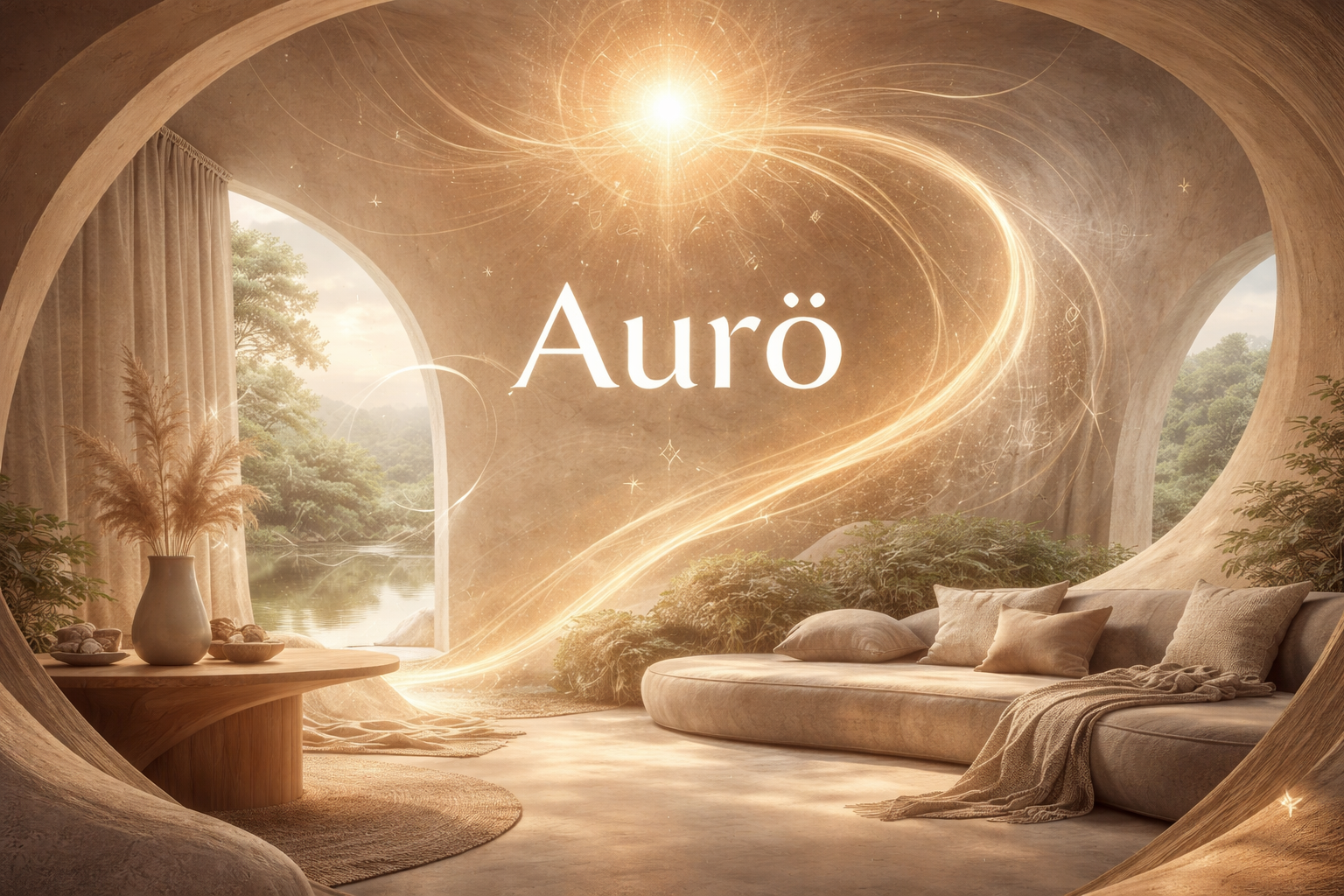
Aurö is more than just a word—it is a symbol, a philosophy, and a design ethos. Its presence spans multiple dimensions: linguistic, cultural, and contemporary. This concept has inspired not only ancient societies but also modern designers, artists, and innovators who seek to integrate tradition with modern aesthetics.
This article aims to uncover the origins, evolution, and cultural importance of it, as well as its relevance in modern industries. By exploring its historical roots and contemporary applications, we provide readers with an understanding of its multifaceted significance.
Readers will gain insight into its symbolic, aesthetic, and practical roles, learning how the interplay between history and modern design creates meaningful experiences in art, fashion, technology, and lifestyle.
History and Origins of Aurö
Etymology and Linguistic Roots
It traces its origins to ancient Nordic and Celtic languages, where the word and its variants often represented light, new beginnings, hope, and guidance. Early Northern European settlers adopted the term as a symbol of optimism and enlightenment. Beyond its literal meaning, it carried philosophical and spiritual weight, serving as a marker for clarity, knowledge, and positive transformation.
Philosophical and Symbolic Interpretations
It was not merely a word—it symbolized understanding, exploration, and intellectual growth. In early writings and folklore, it frequently appeared as a metaphor for illumination, wisdom, and spiritual insight. Philosophers and storytellers used it to signify the pursuit of knowledge, self-discovery, and the human drive to explore both the physical and intellectual world.
Evolution Across Cultures
Over centuries, Aurö spread through regional languages and cultural practices, adapting its meaning to various contexts. It gradually came to represent harmony, illumination, and guidance, influencing art, rituals, and community values. Its evolution reflects the human desire to embed symbols of hope and enlightenment into everyday life and cultural expression.
Cultural Significance of Aurö in Ancient Civilizations
Celtic Civilization
In Celtic culture, it held sacred significance. It was associated with holy sites, ritual practices, and spiritual ceremonies. The concept symbolized a balance between earth, spirit, and natural cycles, reflecting the Celtic reverence for harmony with nature. Festivals and rituals often mirrored the seasonal rhythms of the environment, celebrating Aurö as a source of spiritual clarity and communal cohesion.
Norse Civilization
Among the Norse, it served as a guiding light for seafarers and explorers, both literally and metaphorically. It symbolized illumination, navigation, and intellectual curiosity, guiding adventurers across challenging seas and inspiring exploration. The Norse connected it to the human pursuit of knowledge, representing both physical guidance and philosophical insight.
Representation in Artifacts and Symbols
It influenced ancient art and design, appearing in ceramics, textiles, and sculptures. Motifs inspired by Aurö carried both practical and spiritual meanings, reinforcing cultural identity and communal values. These artifacts highlight their role as a symbol that unified art, philosophy, and everyday life in historical societies.
Modern Interpretations of Aurö
Design Philosophy
Today, it has evolved into a modern design philosophy that emphasizes balance between form, function, and emotional resonance. Designers integrate their principles to create experiences and products that are both aesthetically pleasing and practically functional, bridging historical symbolism with contemporary creativity.
Fashion
It has had a significant impact on the fashion industry. Designers incorporate colors, textures, and patterns inspired by Aurö into haute couture and streetwear, creating pieces that evoke history, emotion, and cultural storytelling. This approach allows consumers to connect with fashion on a deeper, symbolic level, making each piece more than just clothing—it becomes a narrative of tradition and modern expression.
Interior Design
Interior design has embraced it through minimalist, organic, and nature-inspired spaces. Curves, textures, and materials reflect the principles of harmony and balance central to it. Such spaces provide a soothing, functional, and visually appealing environment, demonstrating how historical symbolism can guide modern living spaces.
Technology and Product Design
Its influence extends to technology and product design. Devices created with Aurö in mind emphasize sleek lines, intuitive interfaces, and harmonious material choices. This approach results in products that are not only practical and user-friendly but also visually elegant, reflecting the seamless integration of aesthetics and functionality.
Contemporary Art and Creative Expression
It continues to inspire artists worldwide. From sculptures to multimedia installations, contemporary creators draw upon its historical and symbolic significance to produce works that fuse tradition with modern innovation. This ongoing influence ensures that it remains a dynamic and evolving concept in the creative world.
Influence of Aurö Across Industries
Fashion Industry
It has had a profound impact on the fashion industry, guiding designers in the creation of bold, distinctive, and meaningful pieces. Its influence can be seen in:
- Bold Patterns and Textures: It inspired designs featuring flowing lines, organic shapes, and patterns that draw from natural and historical motifs.
- Silhouettes and Movement: Clothing incorporates fluid shapes and dynamic cuts, balancing elegance with comfort.
- Luxury and Sustainable Fashion: High-end brands incorporate its principles in luxury collections, while sustainable fashion labels use eco-friendly materials inspired by the concept’s connection to nature.
By integrating historical symbolism with modern trends, Aurö in fashion enables designers to tell stories through clothing, creating emotional resonance with consumers.
Interior Design and Architecture
In interior design and architecture, it serves as a guiding principle for creating spaces that are both functional and visually harmonious. Its influence includes:
- Organic Textures and Natural Materials: Wood, stone, and natural fabrics reflect it connection to nature.
- Minimalist Design: Clean lines and uncluttered spaces evoke clarity, calm, and balance.
- Comfort and Creativity: Spaces inspired by Aurö prioritize user experience, encouraging relaxation and creativity.
- Sustainable Living: it encourages environmentally conscious design, integrating energy-efficient solutions, natural lighting, and eco-friendly materials.
The philosophy transforms homes, offices, and public spaces into environments that promote well-being and aesthetic satisfaction.
Technology and Consumer Electronics
It principles are increasingly influencing technology and consumer electronics, focusing on simplicity, elegance, and user-centered design:
- Aesthetic Appeal: Devices incorporate sleek lines, minimalist interfaces, and harmonious materials.
- Functionality and Usability: Aurö-inspired design balances practicality with visual elegance, enhancing user experience.
- Innovation and Accessibility: By merging form with function, technology reflects its emphasis on clarity, efficiency, and human-centered interaction.
From smartphones to smart home devices, it has helped shape technology that is both visually appealing and highly functional.
Branding and Marketing
It principles extend into branding and marketing, where companies aim to create memorable visual and emotional experiences:
- Logo Design: Modern brands incorporate Aurö’s symbolism to combine innovation with tradition, creating identities that resonate culturally and emotionally.
- Brand Identity: Emphasis on inclusivity, sustainability, and harmony aligns with its core values.
- Visual Storytelling: it inspired branding that conveys narratives of balance, elegance, and cultural depth, enhancing consumer engagement and loyalty.
Brands that embrace it connect authentic historical symbolism with modern consumer expectations, reinforcing their market relevance.
Examples of Aurö in Modern Products
Furniture and Home Decor
It has inspired contemporary furniture and home decor, emphasizing balance between beauty and functionality:
- Organic Curves: Chairs, tables, and sofas often feature flowing, natural lines.
- Minimalist Aesthetics: Designs prioritize simplicity while maintaining comfort.
- Multifunctional Furniture: Practicality is combined with aesthetic elegance, reflecting Aurö’s principle of purposeful design.
These products create living spaces that are inviting, harmonious, and reflective of timeless design values.
Fashion Labels
Several fashion brands have adopted it in their collections:
- Patterns and Textures: Clothing designs feature motifs inspired by nature and historical symbolism.
- Emotional Storytelling: Each piece tells a story that connects consumers to heritage, culture, and creativity.
- Aesthetic and Functional Harmony: Fashion under the influence balances visual appeal with wearability, creating pieces that are as practical as they are beautiful.
This integration ensures that Aurö remains relevant and appealing in contemporary fashion markets.
Technology Companies
Tech products influenced by emphasizing minimalist elegance, usability, and innovation:
- Sleek Designs: Devices feature smooth lines and intuitive interfaces.
- Enhanced User Experience: Practicality and aesthetics coexist seamlessly, offering a superior experience.
- Innovation and Modernity: Products reflect both cultural inspiration and forward-thinking design.
Aurö’s principles ensure that technology is functional, beautiful, and emotionally resonant.
Eco-Friendly and Sustainable Products
It has inspired environmentally conscious innovations:
- Nature-Inspired Materials: Products utilize wood, bamboo, recycled metals, and organic fabrics.
- Sustainability and Ethics: Brands align their production processes with modern eco-conscious values.
- Modern Environmental Relevance: Consumers seeking ethical, stylish, and functional products find resonance with inspired designs.
This focus strengthens its global significance in promoting harmony between design, culture, and nature.
Broader Implications and Significance of Aurö
Bridging Past and Present
It bridges ancient symbolism with contemporary design philosophy. By integrating historical meaning into modern products, it demonstrates the timeless relevance of traditional ideas in shaping aesthetics, functionality, and emotional resonance in today’s world.
Cultural and Aesthetic Value
Aurö continues to inspire designers, artists, and innovators worldwide. Its principles promote:
- Creativity and innovation
- Balance and harmony in functional and visual design
- Connection to historical and cultural heritage
This makes it a versatile and meaningful concept in modern creative industries.
Global Influence
It has transcended cultural and geographical boundaries, influencing:
- Fashion: Luxury, high street, and sustainable brands
- Interior Design: Homes, offices, and public spaces
- Technology: Consumer electronics and smart devices
- Branding: Logos, identity design, and marketing strategies
Its adaptability allows Aurö to maintain core symbolic meanings while evolving to meet modern design challenges.
Conclusion
It is a concept that connects history, culture, and modern innovation. From its origins in ancient Nordic and Celtic traditions to its influence across fashion, interior design, technology, and branding, it represents light, balance, and creativity.
Its integration into contemporary industries demonstrates that historical ideas can remain relevant and influential. By bridging tradition with modern design philosophies, Aurö provides inspiration for creativity, functionality, and cultural expression.
In a world where design, innovation, and sustainability intersect, it stands as a timeless symbol, reminding us that the wisdom of the past can shape the beauty and functionality of the present.











Post Comment