Why the Best Travel Memories Live on a Shelf, Not a Screen
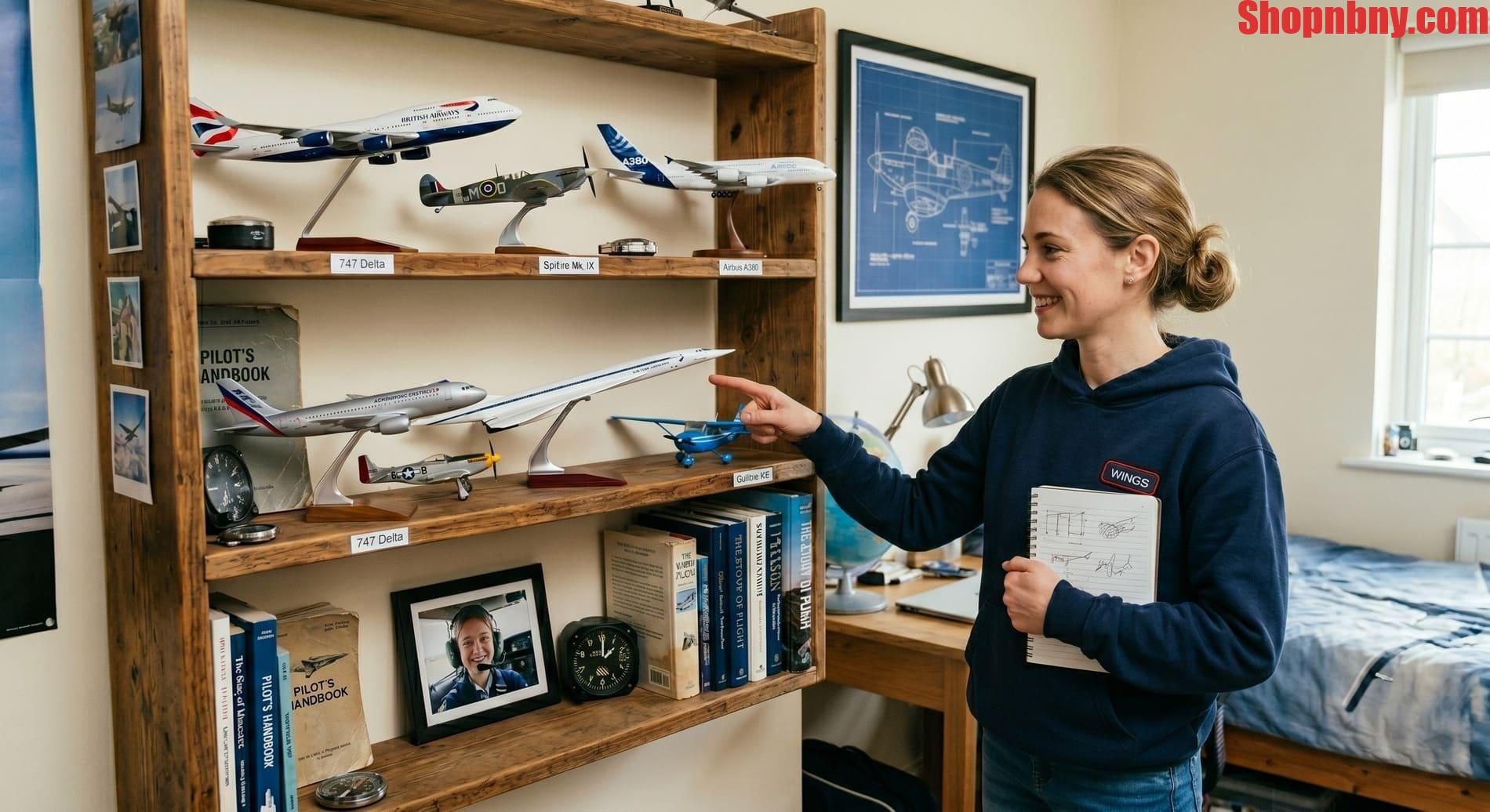
Ask any serious traveller what they remember most vividly from a journey taken ten years ago. Almost never is the answer a photograph. It is a smell — diesel and ocean salt at a working port. A sound — the specific acoustics of a cathedral nave in a city they almost did not visit. A physical sensation — the vibration of a particular road surface through a hire car’s steering wheel on a mountain pass. The memories that persist are not the ones captured on a screen. They are the ones that arrived through the body — through presence, through proximity, through the kind of attention that travel demands and daily life rarely provides.
Photographs document that presence was there. They do not reproduce the presence itself. The question that serious travellers eventually ask — usually after the third or fourth time they scroll past a folder of holiday images without actually looking at them — is what does reproduce it. What brings the journey back into the room rather than simply proving it happened.
The Problem With Photographs as Travel Memories
The photograph has won the travel documentation argument by default rather than by merit. It is immediate, shareable, and requires no thought beyond pointing a device in the right direction. These are genuine advantages. But the photograph’s fundamental limitation — that it is flat, passive, and requires a screen to access — means that the journey it documents progressively recedes behind the image rather than being brought forward by it. The photograph is an index of the experience. It is not the experience.
The traveller who spent a week in Maranello walking the streets where every Ferrari since 1947 was built has a relationship with that place that no photograph retrieves. The aviation enthusiast who flew into Singapore’s Changi on a Singapore Airlines A380 and understood — as the aircraft crossed the threshold at 140 knots — that this was one of the finest long-haul experiences available in current commercial aviation has a memory of that flight that a seat photo does not hold. What holds it is presence. And presence, in a domestic or professional environment, requires a three-dimensional object.
The Objects That Actually Bring the Journey Back
The most experienced travellers I know have developed, often without articulating it explicitly, a set of criteria for what they bring home. Not size — the days of lugging ceramic pieces through customs are largely over. Not cost — the airport duty-free environment has made the relationship between price and meaning particularly unreliable. The criterion that matters is specificity. Does this object reference a specific thing about this specific place — a vehicle, an aircraft, a vessel, an architectural subject — that was genuinely encountered and genuinely mattered?
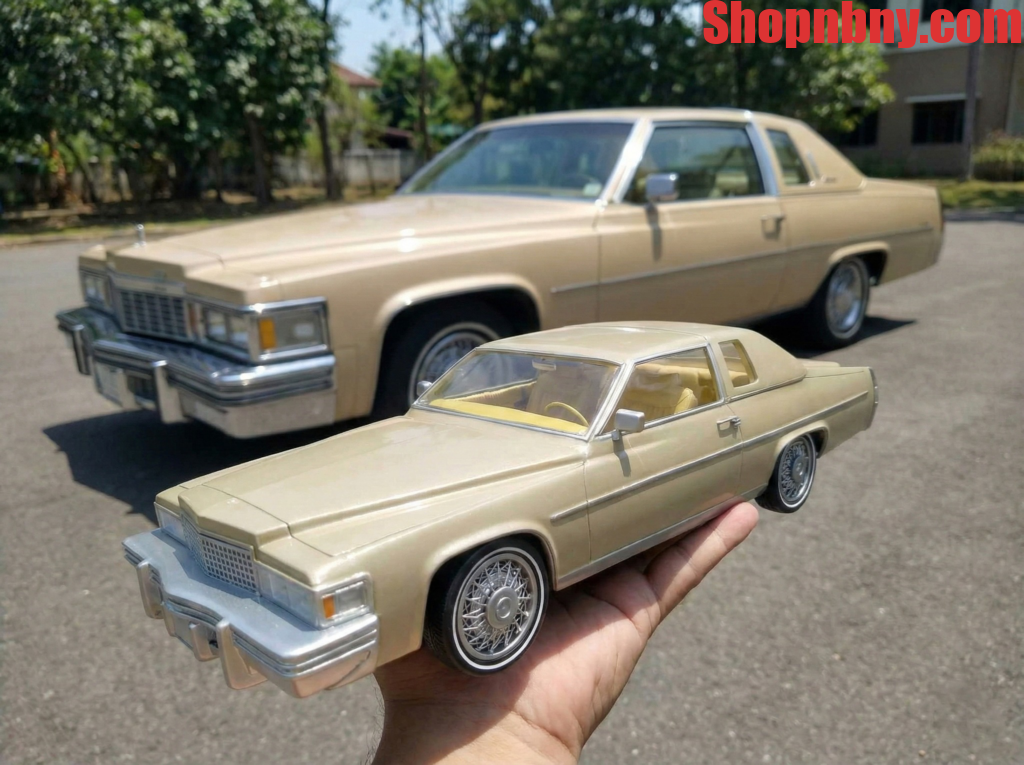
This is why a precision car model of the Ferrari 308 GTB commissioned after a week in Maranello does what a Ferrari keyring from the factory gift shop cannot. It is three-dimensional. It occupies space in the room where the traveller lives and works. Requires no screen to access. And — critically — it is specific to the vehicle rather than generic to the brand. Every time it is seen, it references the place it came from and the understanding it documents. That is a different category of souvenir from anything available at an airport terminal.
Aviation Travel and the Case for a Model Plane as Journey Document
For travellers whose engagement with aviation extends beyond the passive experience of being transported — who choose specific aircraft types, specific carriers, specific routes because the aircraft itself is part of the journey’s meaning — the scale model is the natural documentation format. The aviation enthusiast who flies a Singapore Airlines A380 specifically because it is one of the last opportunities to experience this particular aircraft on this particular route has a relationship with that flight that a boarding pass photograph does not preserve.
A precision airplane model of the A380 in Singapore Airlines livery — at the correct scale to display on a desk or shelf, finished with accurate markings and period-correct tail logo — puts the aircraft in the room permanently. It is not a souvenir of the destination. It is a document of the journey — specifically, of the machine that made the journey what it was. For aviation-engaged travellers, this distinction matters considerably.
The best travel memories are not stored on a phone. They are the ones that found a three-dimensional form — an object specific enough to carry the journey back into the room every time it is seen.
How to Choose a Scale Model That Documents a Journey Worth Remembering
The choice of what to document in scale is the same as the choice of what mattered most about the journey. For the automotive traveller who visited Maranello, the Nürburgring, or Pebble Beach — it is the specific vehicle or era that the visit was organised around. For the aviation traveller — it is the specific aircraft and carrier that defined the journey rather than merely transported them. For the maritime traveller who spent time in Portsmouth, Amsterdam, or Sydney Harbour — it is the vessel whose history the visit was built around.
The practical decision then is scale. For a desk piece that will be seen daily, 1:43 for cars and 1:200 for commercial aircraft are the most manageable options. For a statement shelf piece in a study or living room, 1:18 for cars and 1:144 for wide-body aircraft produce a stronger visual presence. For travellers who want the object to carry the maximum weight of the journey it documents, a commissioned model plane or car model built to a specific subject’s exact specification — the correct registration, the correct livery period, the correct configuration — produces the most direct documentary relationship between the object and the experience it preserves.
Frequently Asked Questions
Why do scale models make better travel souvenirs than photographs?
Scale models are three-dimensional, require no screen to access, and occupy physical space in the traveller’s daily environment — making the journey they document continuously present rather than archived. Photographs prove a journey happened. A well-chosen scale model of a specific vehicle or aircraft encountered on the journey brings it back into the room actively, every time it is seen, in a way that a flat image stored on a device cannot replicate.
What is the best scale model souvenir for an aviation traveller?
A precision replica of the specific aircraft type and carrier that defined the most significant journey — at a scale appropriate for the intended display space. 1:200 for a compact desk piece, 1:144 for a stronger shelf presence, commissioned to the correct livery period and tail configuration for travellers who want the most accurate documentary relationship between the object and the journey it represents.
Can I commission a scale model after returning from a trip?
Yes — and this is how most serious travellers approach it. Reference photographs taken during the journey, combined with the aircraft registration or vehicle specification noted at the time, provide the foundation for an accurate commission. Most commissions at standard scales complete within six to ten weeks. The delay between the journey and the delivery of the object that documents it does not diminish the connection — if anything, the wait sharpens the anticipation and confirms that the journey was worth preserving permanently.
The Journey That Does Not End at the Airport
The best journeys do not end at the departure gate on the way home. They continue in the room where the traveller lives — in the conversations the objects they brought back provoke, in the specific quality of attention those objects carry from the places they came from, in the way they make the distance between here and there feel smaller and more navigable every time they are seen.
The photograph proves the journey happened. The scale model keeps it happening. For the traveller who takes journeys seriously, there is a meaningful difference between those two outcomes — and the object that delivers the second one is always worth commissioning before the first one fades from the lock screen.











Post Comment