Low-Latency Remote Desktop Gaming: Tips for Smooth Play
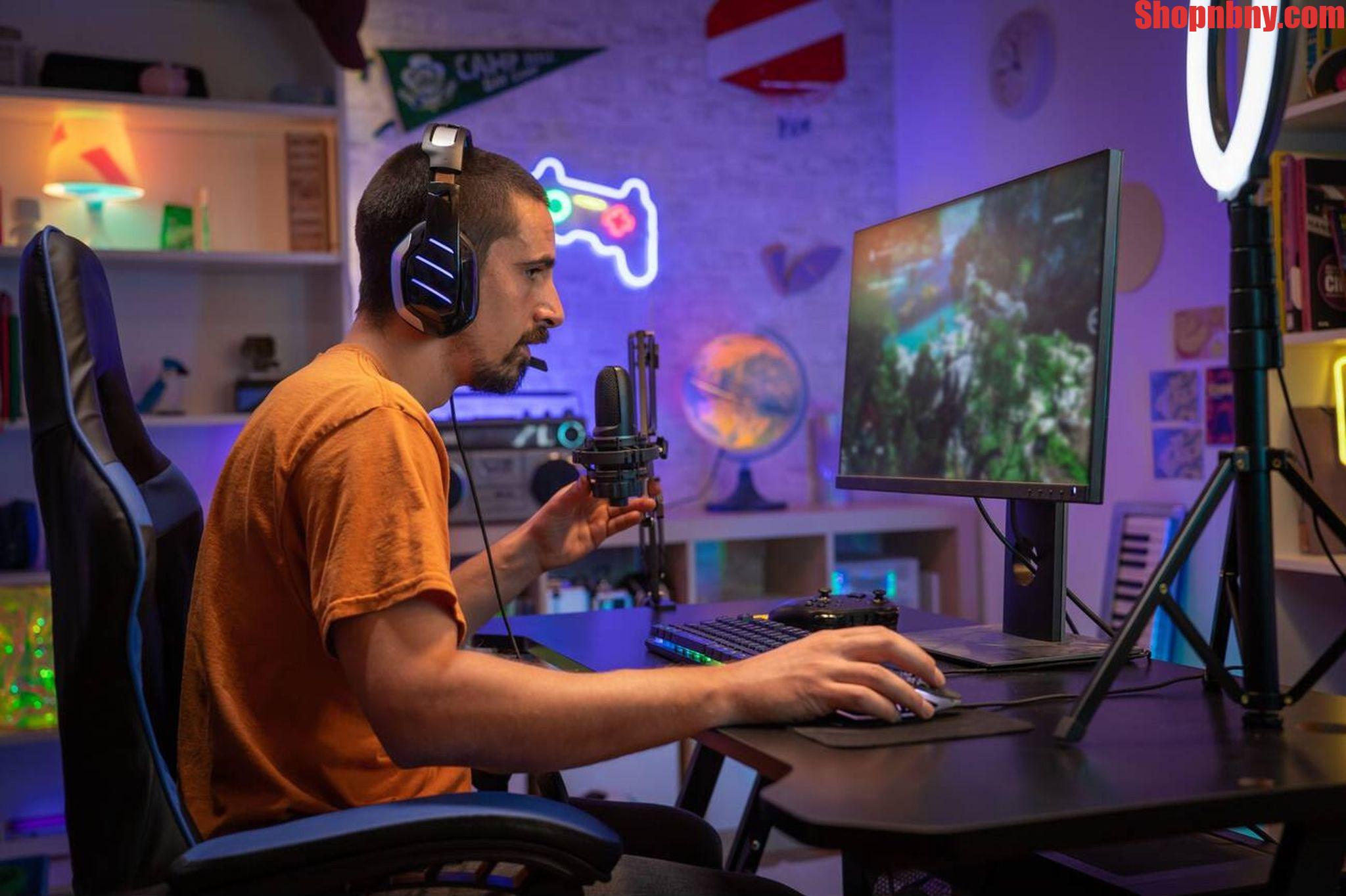
In recent years, remote desktop gaming has transformed the way gamers access high-performance PCs without being physically present. This technology allows you to stream games from a powerful desktop to a laptop, tablet, or even a smartphone, making it possible to enjoy AAA titles on devices that would normally struggle to run them. For those seeking a seamless experience, it’s crucial to optimize both your hardware and software setup. Platforms like StarDesk provide specialized solutions that help minimize lag and maximize responsiveness, making it one of the best tools to download StarDesk remote and start gaming instantly.
Why Low Latency Matters
Latency, often referred to as “lag,” is the time it takes for your inputs to reflect on the screen. In fast-paced games, even a slight delay can drastically affect performance. A smooth remote desktop gaming experience relies heavily on low latency, ensuring that every mouse movement and keystroke translates immediately into action. StarDesk incorporates advanced compression algorithms and adaptive streaming technology, which reduce latency and maintain the fidelity of the game, even over less-than-perfect internet connections.
Choosing the Right Internet Connection
The backbone of smooth remote desktop gaming is a fast and stable internet connection. Wired Ethernet connections are always preferred over Wi-Fi because they offer consistent speed and minimal packet loss. If Wi-Fi is your only option, aim for a 5 GHz network with minimal interference. StarDesk is designed to optimize streaming over various connections, automatically adjusting resolution and bitrate to maintain smooth gameplay, which is especially important when gaming remotely in real-time.
Optimizing Your PC for Streaming
Your host PC plays a major role in remote desktop gaming performance. A powerful CPU and GPU combination ensures that games run at high frame rates, while sufficient RAM prevents stuttering during intensive sessions. Closing unnecessary background applications frees up resources for streaming. StarDesk’s remote client is lightweight, allowing the host system to dedicate more processing power to the game itself rather than the streaming software, resulting in a smoother experience for the gamer.
Configuring Display Settings
Display settings can greatly influence both visual quality and latency. For remote desktop gaming, it’s often better to reduce graphics settings slightly to prioritize frame rate over ultra-high resolution. Many gamers choose to lower shadows, disable post-processing effects, or cap the frame rate to stabilize the stream. StarDesk allows for custom configurations that balance visual fidelity with performance, ensuring that the game remains responsive even during graphically intense moments.
Input Device Considerations
For competitive gaming, the responsiveness of your input devices is critical. Using high-quality mice and keyboards with low input latency can make a significant difference. StarDesk supports a wide range of input devices, including controllers, and ensures that input data is transmitted with minimal delay. This makes fast-paced shooters, racing games, and fighting games playable remotely without the frustrating lag that can ruin the experience.
Reducing Network Interference
Even with a fast connection, network interference can cause delays or dropped frames. Close unnecessary streaming or downloading applications on your network, and prioritize gaming traffic if your router supports Quality of Service (QoS) settings. StarDesk is equipped to handle fluctuations in network performance by dynamically adjusting the stream, keeping gameplay smooth even when your bandwidth varies temporarily.
Using Cloud Servers for Remote Play
Some gamers opt for cloud-based remote desktop setups to reduce latency and offload hardware demands. Cloud servers can provide a powerful, always-on host system that’s geographically closer to the player, reducing ping times. StarDesk integrates seamlessly with cloud setups, allowing users to connect to remote servers with minimal configuration. This means you can enjoy high-end gaming performance without needing to maintain a top-tier PC at home.
Monitoring Performance in Real-Time
Keeping an eye on performance metrics is important for identifying and troubleshooting issues. Monitor frame rates, ping, and latency regularly to ensure your setup is optimized. StarDesk provides intuitive dashboards that display real-time performance data, making it easy to spot bottlenecks and make adjustments before they impact gameplay. Regular monitoring helps maintain a consistently smooth experience during extended gaming sessions.
Minimizing Software Conflicts
Multiple applications running on the host PC can interfere with streaming performance. Antivirus scans, system updates, and resource-heavy programs can introduce stutters or lag. To avoid this, schedule maintenance tasks outside gaming hours and dedicate the host system primarily to running the game and the remote desktop client. StarDesk’s lightweight client is designed to coexist with other software without compromising speed, reducing the chances of unexpected slowdowns.
Security Considerations
Remote desktop gaming involves sending sensitive data over the internet, including login credentials and game progress. Using encrypted connections and secure authentication is essential to protect your information. StarDesk employs robust security protocols to ensure your gaming sessions remain private and secure. This means you can enjoy remote play without worrying about unauthorized access or data breaches.
Enhancing Visual and Audio Experience
Even with low latency, the quality of visuals and audio can impact your enjoyment. High-resolution textures, detailed environments, and immersive sound require bandwidth and processing power. StarDesk optimizes both video and audio streams, providing clear visuals and crisp sound while maintaining responsiveness. This ensures that the remote gaming experience feels as close to playing on a local PC as possible.
Customizing for Personal Preferences
Everyone’s gaming setup is unique, and remote desktop gaming should accommodate personal preferences. StarDesk allows users to customize resolution, frame rate, input sensitivity, and audio channels according to individual needs. By fine-tuning these settings, you can achieve an experience tailored to your style of play, whether you prioritize competitive performance or cinematic immersion.
Troubleshooting Common Issues
Even with careful planning, issues may arise. Common problems include frame drops, stuttering, and input lag. StarDesk offers robust troubleshooting tools, including connection diagnostics and streaming optimizers, to quickly identify the cause of any performance hiccups. Following best practices like updating drivers, restarting the host system, and checking network health can resolve most common issues, keeping your remote desktop gaming sessions enjoyable.
Looking Ahead
The future of remote desktop gaming is bright, with advancements in cloud computing, AI-based optimizations, and ultra-fast networks continually improving the experience. Tools like StarDesk are at the forefront, offering low-latency streaming that makes remote play feel indistinguishable from local gaming. By following the tips above and leveraging cutting-edge technology, gamers can enjoy their favorite titles anytime, anywhere, without compromising performance.










Post Comment