MataRecycler: Waste Management for a Sustainable Future
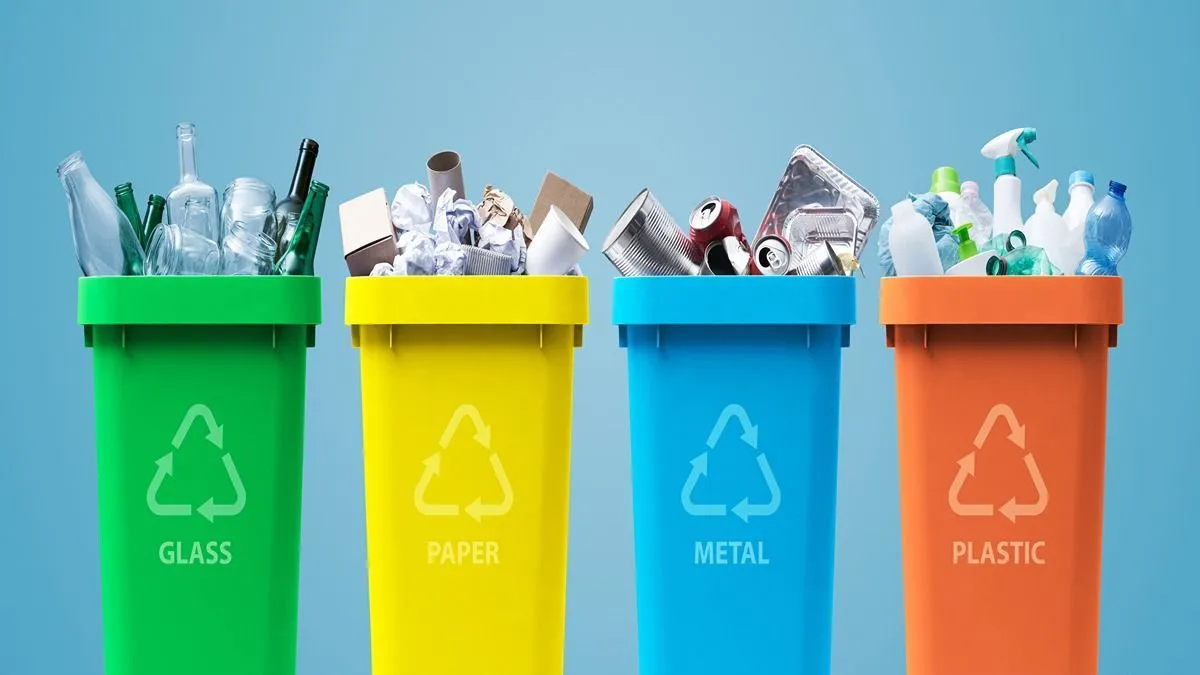
Enter MataRecycler, a forward-thinking platform designed to redefine how communities, businesses, and individuals handle waste. Rather than treating discarded materials as the end of the line, it views waste as a valuable resource—something that can be recovered, repurposed, and reintegrated into the economy. Through intelligent technology, data-driven insights, and a collaborative model, it bridges the gap between waste producers and recyclers, making sustainability both practical and actionable.
The Growing Waste Management Challenge
Waste management has become a pressing global issue, fueled by rapid population growth, urbanization, and changing consumption habits. According to recent studies, global municipal solid waste production is expected to increase by 70% by 2050 if current trends continue. Landfills are overflowing, and much of the material that could be recycled ends up in general waste streams due to inefficient collection or a lack of awareness.
The Environmental and Social Consequences
The consequences of poor waste management are far-reaching. Environmentally, mismanaged waste contributes to soil, water, and air pollution. Plastics, particularly single-use plastics, dominate both landfills and oceans, threatening wildlife and disrupting ecosystems. Hazardous waste, when improperly handled, can pose serious risks to human health, contaminating water sources and agricultural land.
Socially, communities face reduced quality of life due to overflowing garbage, unpleasant odors, and health risks. Economically, municipalities spend billions on inefficient waste collection and disposal, much of which could be mitigated through smarter, more streamlined systems. Valuable resources like metals, plastics, and paper are lost instead of being recovered and reused, representing a significant economic opportunity wasted.
Limitations of Traditional Systems of MataRecycler
Most traditional waste management systems rely on centralized collection and disposal methods, often without leveraging modern technology. Landfills remain the default endpoint for much of the waste, recycling rates are inconsistent, and communication between producers and recyclers is minimal. This fragmentation results in inefficiencies, higher costs, and environmental harm.
Addressing these challenges requires a paradigm shift—one that integrates technology, collaboration, and data-driven decision-making. MataRecycler represents a step in this direction, offering a smarter, more connected system to manage waste from collection to recovery.
The Vision Behind MataRecycler
At its core, it embodies a vision where waste management is intelligent, transparent, and inclusive. Rather than treating each participant—households, businesses, recyclers, and local authorities—as separate entities, it fosters collaboration across the entire ecosystem.
Connecting Stakeholders
It acts as a bridge between those who produce waste and those who can repurpose it. Households can track and submit their recyclables, businesses can streamline their disposal processes, and recyclers receive real-time notifications to optimize collection. This networked approach ensures that materials are efficiently routed, sorted, and processed, maximizing recovery and minimizing waste.
Focusing on High-Impact Waste Streams
The platform strategically targets waste streams with the highest potential for recovery, such as paper, plastics, metals, and electronic waste. By improving the collection and sorting of these materials, MataRecycler reduces landfill dependency, conserves resources, and increases the economic value of recyclables.
Promoting Cultural Change
It is not just a technical solution; it also encourages a behavioral shift. By providing transparency and clear pathways for recycling, individuals and organizations see the tangible impact of their efforts. Eco-conscious habits become practical, rewarding, and easier to adopt, transforming sustainability from an abstract ideal into a daily practice.
Technology as an Enabler
Technology is the backbone of its approach to waste management. The platform leverages machine learning, data analytics, and intelligent communication to optimize every stage of the recycling process.
Machine Learning and Data Analytics
By analyzing patterns in waste generation, MataRecycler can predict volumes, types of materials, and peak collection times. This enables recyclers to allocate resources efficiently, reducing missed pickups and unnecessary transportation costs. Predictive analytics also support planning for seasonal variations, special events, and industrial waste fluctuations.
Smarter Sorting of MataRecycler
One of the most challenging aspects of recycling is contamination—when non-recyclable materials are mixed with recyclables. It technology improves sorting accuracy through data-driven algorithms, reducing contamination and increasing recovery rates. Smarter sorting not only enhances efficiency but also raises the economic value of recycled materials, making the process more sustainable financially.
Real-Time Communication
It connects all participants in real time. Users can see updates on when their waste is collected and how it is processed, while recyclers receive precise information about material type and volume. This level of transparency builds trust and encourages participation, while reducing guesswork and inefficiencies.
Data-Driven Decision Making
Beyond operational improvements, MataRecycler provides valuable insights to communities and businesses. Trends in waste generation can inform public policy, optimize collection schedules, and help organizations set measurable sustainability goals. Over time, the system learns and improves, creating a self-optimizing recycling ecosystem.
Benefits for Communities and Businesses
It delivers a broad range of benefits across multiple levels, from households to large municipalities and corporate entities.
For Communities
- Cleaner neighborhoods: More efficient collection and recycling lead to fewer materials in landfills and public spaces.
- Reduced environmental risks: Proper disposal of hazardous and plastic waste minimizes pollution and health hazards.
- Improved public health: Reduced waste exposure translates into lower rates of disease and contamination.
- Community engagement: Transparency and visible impact encourage collective responsibility.
MataRecycler For Businesses
- Cost savings: Optimized collection routes and recycling strategies reduce waste management expenses.
- Sustainability reporting: Participation in a transparent, technology-driven system strengthens corporate responsibility and enhances brand reputation.
- Compliance: Aligns with local regulations and sustainability standards, reducing legal and environmental risks.
Platform Advantages
- Accessibility: A simple interface allows households, businesses, and organizations to participate without technical expertise.
- Efficiency: Streamlined workflows and real-time tracking reduce errors and resource waste.
- Circular economy alignment: Encourages reuse, repurposing, and recycling rather than linear disposal.
Real-World Success Stories of MataRecycler
MataRecycler has demonstrated its potential through several impactful implementations worldwide:
Municipal Success
In one urban center, local authorities adopted it to manage residential and commercial waste. Within six months, the city reported a 40% reduction in landfill waste, alongside optimized collection schedules that reduced fuel consumption and costs. Community engagement also increased, as residents could track their contributions to sustainability goals.
Educational Initiatives
Several schools integrated it into their environmental education programs. Students used the platform to understand recycling, track their efforts, and see the impact of their contributions. These initiatives not only enhanced awareness but also fostered a sense of environmental stewardship from a young age.
Non-Profit and Event Management
Non-profit organizations and large events have utilized MataRecycler to manage waste efficiently. From community festivals to corporate events, zero-waste initiatives became achievable, demonstrating that even large gatherings can be environmentally responsible when guided by technology and planning.
Global Implications
These success stories underscore its scalability and adaptability, suggesting that similar results can be achieved across diverse regions and cultural contexts.
Environmental Impact of MataRecycler
Its impact extends beyond operational efficiency to meaningful environmental benefits:
Supporting a Circular Economy
Rather than following a linear model of production, consumption, and disposal, MataRecycler fosters a circular economy. Materials are kept in use for longer periods, reducing the need for raw material extraction and conserving energy.
Reducing Landfill Dependency
Efficient collection and processing reduce landfill use, decreasing greenhouse gas emissions such as methane that result from decomposing organic waste.
Resource Conservation
Recycling materials like paper, plastics, and metals lowers the demand for virgin resources, conserving forests, water, and minerals.
Behavioral Change
Making the impact of waste visible, it encourages individuals and organizations to adopt more responsible practices. This cultural shift ensures sustainability is maintained not only at the operational level but also in community behavior.
Future Outlook and Scalability
As technology evolves, MataRecycler’s potential continues to grow:
Technological Enhancements
- Improved AI for more precise sorting and predictive waste management
- Integration with emerging IoT devices for smart bins and sensors
- Automated analytics for municipalities and recyclers
Municipal and Global Integration
- Collaboration with local governments to expand coverage
- Standardized systems that adapt to local conditions and regulations
- Scalable platforms suitable for both urban and rural areas
Expansion of Material Categories
- Incorporation of electronic waste, textiles, and industrial materials
- Advanced processing techniques for currently hard-to-recycle materials
Education and Community Programs
- Programs to increase public participation and understanding of circular economy principles
- Collaboration with schools, non-profits, and community organizations
Long-Term Vision
MataRecycler represents the future of waste management: intelligent, collaborative, and sustainable. Its model demonstrates that environmental responsibility, economic efficiency, and community engagement can coexist harmoniously.
Conclusion
Waste management is no longer a logistical problem—it is a defining issue for sustainable development. Traditional systems have reached their limits, and the growing scale and complexity of modern waste streams demand innovative solutions. It rises to this challenge by combining technology, collaboration, and environmental awareness in a scalable, practical platform.
By connecting waste producers with recyclers, providing real-time insights, and promoting a circular economy, it turns waste into a resource rather than an endpoint. Communities and businesses alike benefit from cleaner environments, lower costs, and increased engagement.
The broader significance of MataRecycler lies in its message: sustainable waste management is achievable when systems are intelligently designed, data-driven, and inclusive. As more people, municipalities, and organizations adopt it, the platform can help create healthier ecosystems, reduce pollution, and ensure that resources are respected for generations to come.
The future of waste management is not just about disposal—it’s about transformation, innovation, and responsibility. It provides the tools, technology, and framework to make that future a reality.
FAQs About MataRecycler
Who can benefit from it?
Households, businesses, recyclers, municipalities, and non-profit organizations can all leverage it to improve waste management efficiency and sustainability.
Is MataRecycler only about recycling?
While recycling is central, the platform’s broader goal is to support sustainable waste management and the circular use of materials.
How does AI help?
AI analyzes waste patterns, improves sorting accuracy, predicts collection needs, and supports data-driven decision-making across the ecosystem.
Why is MataRecycler important for the future?
Growing waste volumes and environmental pressures require smarter, more efficient systems that protect the environment while supporting economic and community needs.







Post Comment