Modern Wellness Trends Inspired by Traditional Herbal Practices

Wellness today looks very different from what it did even a decade ago. In the United States and the United Kingdom, more people are stepping away from quick fix health trends and shifting toward slower, more intentional lifestyle choices. The focus is increasingly on balance, sustainability, and long term wellbeing rather than short bursts of results.
This change has also brought renewed attention to traditional herbal practices that have been part of cultural health systems for centuries. While modern consumers still value scientific progress and convenience, many are now combining that with time tested approaches that emphasize natural ingredients and mindful daily habits.
From simple herbal routines to more conscious approaches to digestion and self care, these traditional ideas are quietly shaping some of the most influential wellness trends today.
Why Traditional Herbal Wisdom Still Matters
Holistic wellness continues to grow because it fits more naturally into everyday life. Instead of chasing fast outcomes, people are leaning toward habits that feel realistic, sustainable, and easy to maintain over time.
Traditional herbal systems often focus on the bigger picture of wellbeing, including diet, daily rhythm, rest, and emotional balance. This broader perspective is one reason they continue to resonate with modern audiences.
Today’s wellness consumers are especially drawn to approaches that include:
- Natural and recognizable ingredients
- Simple and repeatable daily routines
- Greater awareness of personal health habits
- Long term lifestyle sustainability
- A balanced and flexible approach to wellbeing
This blend of practicality and tradition is what keeps herbal wisdom relevant in modern wellness conversations.
The Growing Popularity of Botanical Self Care
Self care has become a core part of modern lifestyle culture, but it is evolving beyond occasional relaxation. More people are now building consistent routines that support both physical and mental wellbeing.
Herbal Oils and Everyday Rituals
One of the clearest examples of this shift is the renewed interest in herbal oil based self care. In traditional wellness practices, oils have long been used as part of daily routines that encourage relaxation and body awareness.
Today, many consumers search for ayurvedic massage oil online when exploring natural ways to bring calm and balance into their routines. What makes this trend stand out is not just the product itself, but the habit it supports. Taking a few minutes for self massage or relaxation can create a small but meaningful pause in an otherwise busy day.
These simple rituals often help people slow down, reconnect with themselves, and build more mindful daily habits.
Clean Ingredients and Transparency
Alongside ritual based wellness, ingredient awareness has also become a major factor in consumer choices. People are paying closer attention to what goes into the products they use every day.
Common preferences now include:
- Plant based and botanical ingredients
- Minimal and transparent formulations
- Less processed product options
- Clear labeling and sourcing information
- Environmentally responsible production
This shift has naturally increased interest in traditional herbal approaches, which have always emphasized simplicity and natural sourcing.
Digestive Wellness in Modern Lifestyle Conversations
Digestive health has become one of the most widely discussed topics in modern wellness. As people become more aware of how closely digestion is linked to daily habits, interest in supportive routines has grown significantly.
Traditional Approaches to Digestive Balance
Many traditional systems place strong emphasis on digestion as a foundation of overall wellbeing. While modern nutrition science continues to evolve, there is shared agreement that consistent daily habits play an important role in how people feel over time.
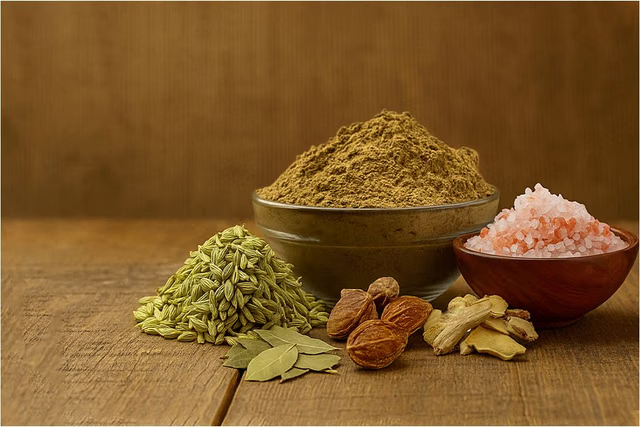
This is one reason products like ayurvedic churna for digestion are gaining attention among those exploring traditional herbal options. These formulations have been used for generations in various cultural practices and are often considered part of a broader lifestyle approach rather than a quick solution.
As always, it is important to approach herbal wellness products with realistic expectations and to seek professional guidance when dealing with specific health concerns.
Mindful Eating as a Daily Practice
Alongside herbal traditions, mindful eating has also become more widely practiced. Instead of strict diets or extreme restrictions, people are focusing more on awareness and balance during meals.
Mindful eating typically encourages:
- Eating without distractions
- Paying attention to hunger and fullness cues
- Slowing down during meals
- Choosing more balanced food options
- Developing consistent eating patterns
These habits feel simple, but they often support a more stable and comfortable relationship with food over time.
Sustainability and Conscious Wellness Choices
Sustainability is now a major influence in how people choose wellness products and routines. Consumers are becoming more aware of the environmental impact behind everyday purchases and are actively seeking more responsible options.
Traditional herbal practices naturally align with this mindset because they often emphasize working in harmony with nature rather than against it.
Key factors shaping purchasing decisions include:
- Ethical sourcing of ingredients
- Eco friendly packaging choices
- Transparency in supply chains
- Lower environmental impact practices
- Responsible manufacturing methods
This growing awareness is encouraging both consumers and brands to think more carefully about long term environmental responsibility.
The Rise of Personalized Wellness
Another important shift in modern wellness is personalization. People are increasingly recognizing that there is no universal approach to health that works for everyone.
Technology has played a role in this shift, with wellness apps, tracking tools, and personalized recommendations becoming more common. At the same time, traditional wellness systems have long acknowledged that individual needs can vary widely and should be taken into account.
The combination of modern tools and traditional understanding is helping create more flexible and personalized wellness routines. Instead of following rigid systems, individuals are now choosing habits that better match their lifestyle and personal preferences.
Key Takeaways
Traditional herbal practices continue to shape modern wellness in meaningful ways. For those looking to bring these ideas into daily life, a few simple principles can help:
- Focus on consistency rather than quick results
- Choose natural and minimally processed ingredients
- Build simple self care routines that are easy to maintain
- Practice mindful eating instead of restrictive habits
- Consider environmental impact when making choices
- Prioritize long term wellbeing over short term trends
- Seek professional advice when needed for health related decisions
Small and consistent changes often create the most lasting improvements in overall wellbeing.
Conclusion
Modern wellness trends may feel new, but many of their foundations come from long standing traditional practices. The growing interest in natural ingredients, mindful routines, digestive awareness, and sustainable living reflects a broader shift toward more balanced and intentional lifestyles.
Whether exploring ayurvedic massage oil online, learning about ayurvedic churna for digestion, or simply adopting more mindful daily habits, people are increasingly turning to traditional wisdom for guidance in modern life.
As this interest continues to grow, Ayurveda inspired wellness education and resources play an important role in helping individuals make more informed and mindful lifestyle choices.
Disclaimer:
This article is for informational and educational purposes only. It does not provide medical advice, diagnosis, or treatment. Traditional herbal practices and wellness trends discussed here are based on general information and cultural perspectives. Always consult a qualified healthcare professional before starting any new health, dietary, or herbal routine, especially if you have existing medical conditions or are taking medication.














Post Comment