Moved the Coffee Table Six Times Before This Finally Worked Out
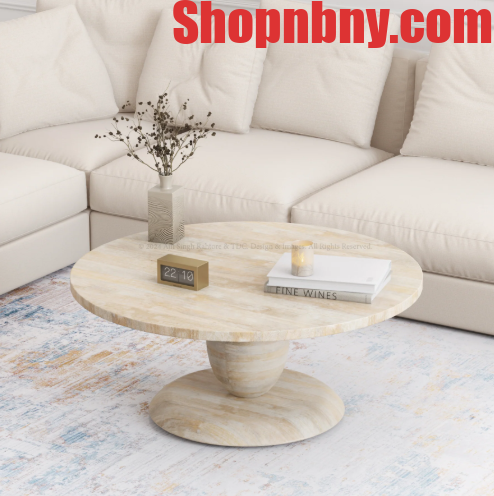
Finding the right living room layout can feel like solving a puzzle where nothing seems to fit quite right. A sofa may feel too far from the center, or a rug may suddenly appear smaller than expected. In many cases, the challenge comes down to how the central pieces are arranged. In one such layout, replacing a bulky rectangular piece with an oval pedestal coffee table completely changed the way the space functioned.
The smoother shape and balanced base helped improve movement and brought a more natural flow to the room, showing how even a single adjustment can redefine the entire layout.
Key Takeaways
- A room can feel unbalanced even when all the essential furniture is present, often due to poor layout rather than lack of pieces.
- The placement of a coffee table plays a crucial role in improving movement and creating a natural flow within the seating area.
- Getting the proportions right helps furniture feel connected instead of scattered or visually heavy.
- Materials like teak, acacia, mango wood, and Indian rosewood add warmth, texture, and depth to the overall space.
- Softer shapes, such as oval or round designs, can improve circulation and make the layout feel more open.
- Small, well-considered adjustments often have a greater impact than constantly rearranging the entire room.
- A balanced space comes from how each piece works together, not from adding more furniture.
How the Right Placement Can Fix an Unbalanced Room
At first, the focus often stays on finding the perfect table. But after multiple adjustments, it becomes clear that placement matters far more than the piece itself. Even a beautifully designed table can feel out of place if it interrupts the natural flow of the room.
The shift comes when the goal moves from simply filling space to creating movement. Every step around the room should feel easy and natural, without sharp turns or blocked paths. When placement supports how the space is actually used, the entire layout begins to feel more comfortable.
Here’s what creates a significant impact:
- Leaving enough space between the seating and the table
- Aligning the table with the center of the seating area
- Avoiding placements that make the room feel crowded
- Adjusting based on how the space is used daily
It is rarely about finding the perfect spot on the first try. It is about testing different layouts until the room starts to feel balanced and easy to move through.
When Proportion Finally Clicked
Another challenge was getting the size right. A table that looked ideal in isolation could feel too large or too small once placed in the room. Proportion is not just about measurements. It is about how each piece relates to the others.
This became more obvious when comparing different setups. In one corner of the home, a round table dining set created a sense of balance simply because its size matched the room. That same idea needed to be applied to the living area.
What helped improve proportion:
- Matching the table size to the seating arrangement
- Keeping the height aligned with the surrounding furniture
- Choosing shapes that softened the layout
- Avoiding pieces that felt visually heavy
Once the proportions started to align, the room began to feel more settled without needing any major changes.
Materials That Change How a Room Feels
Even after finding the right placement and size, the material of the table played a subtle but important role. Natural wood brings a certain depth that is hard to replicate. It adds texture, warmth, and a sense of permanence.
Materials like teak, acacia, mango wood, and Indian rosewood each bring their own character. Finishes like Honey Glaze or Mocha Luxe highlight the grain, creating a rich feel without being overpowering.
Here is what stood out:
- Natural grain patterns add visual interest
- Warmer tones make the space feel inviting
- Quality finishes create depth without clutter
- Well-crafted surfaces feel more grounded
At one point, a design similar to the Camden Round Coffee Table showed how a balanced structure combined with natural material can anchor the entire seating area without making it feel heavy.
Finding Balance with the Right Shape
Shape turned out to be one of the most important factors. Sharp edges can make a layout feel rigid, while softer shapes create a smoother flow. This is where curved designs started to make more sense.
An oval pedestal coffee table works well because it removes hard corners and allows easier movement around it. It also helps connect different seating elements without making the layout feel crowded.
Here’s why the shape is important:
- Curved edges improve movement around the room
- Softer forms create a more relaxed feel
- Balanced shapes connect different furniture pieces
- Open bases reduce visual weight
In contrast, heavier designs with solid bases often made the room feel more closed. Lighter structures created a better sense of openness.
The Moment Everything Finally Worked
After several adjustments, one layout finally felt right. The table was no longer just a piece placed in the center. It became part of a larger system where everything worked together.
This shift was not dramatic. It was subtle. The room felt easier to move through. Conversations felt more natural. Even the way light moved across the surfaces seemed more balanced.
What changed in the final setup:
- The table aligned naturally with the seating area
- There was enough space for movement without gaps
- Materials and finishes worked together visually
- The overall layout felt calm instead of forced
Interestingly, the same principle applied to other parts of the home. Just like a round table dining set can bring people together without feeling restrictive, the right coffee table placement can create a similar sense of connection in the living room.
Why Less Adjustment Becomes the Goal
After moving the table multiple times, the focus shifted from constant change to getting things right once. It highlighted an important lesson. Good design is not about frequent rearranging. It is about understanding how a space works and making decisions that support it.
Instead of trying to fix the room repeatedly, the aim became creating a layout that felt stable and comfortable from the start.
Here is what helps avoid constant changes:
- Choosing furniture that fits the scale of the room
- Keeping layouts simple and functional
- Using materials that add warmth without clutter
- Letting each piece have a clear role
Once everything falls into place, there is no need to keep adjusting.
Conclusion
A room that feels off is not always missing something. Sometimes, it just needs better alignment between the pieces already there. Small changes in placement, proportion, and material can completely change how a space feels.
Moving a coffee table multiple times may seem frustrating, but it often leads to a clearer understanding of what works. When furniture starts to connect naturally, the room begins to feel more comfortable and complete.
Design is not about adding more. It is about arranging what you have in a way that supports both movement and everyday use.
Collections from The Rural Art reflect this idea through designs that focus on balance, natural materials, and clean structure, showing how a well-composed space can feel complete without unnecessary additions.












Post Comment