Sandra‘s Huusengel: How Compassionate Live-In Senior Care Helps Swiss Families Thrive
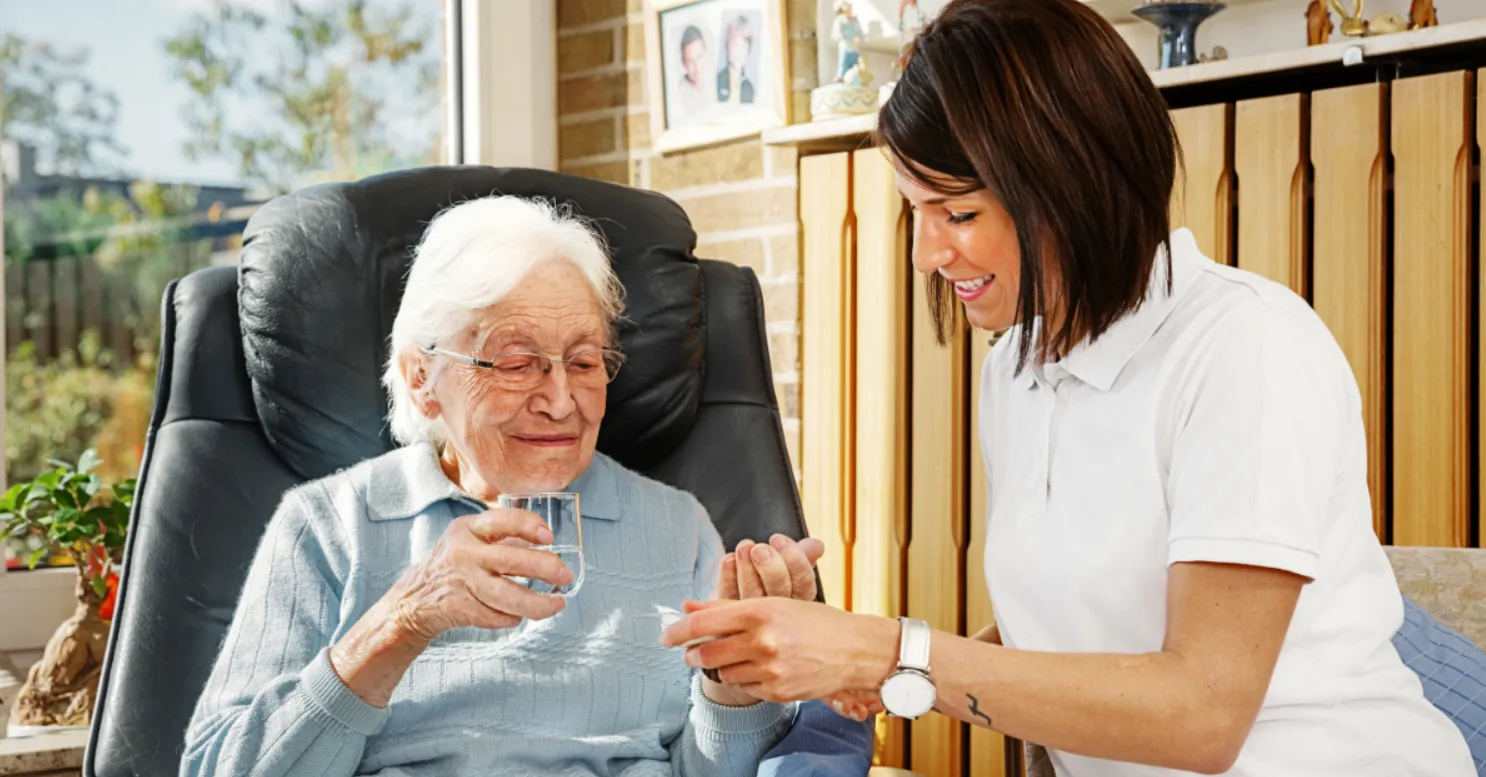
As Switzerland’s population continues to age, more families are searching for reliable and compassionate ways to help their elderly loved ones maintain independence without sacrificing safety or comfort. While nursing homes remain an option for some, many seniors prefer to stay in familiar surroundings where they feel secure and emotionally connected. Home has a unique ability to preserve routines, cherished memories, and personal dignity, making it the preferred environment for aging gracefully.
One company that has become increasingly recognized for supporting this goal is Sandra‘s Huusengel. As a Swiss company specializing in heartfelt live-in care for seniors, the organization focuses on providing professional caregivers who deliver personalized assistance within the comfort of a senior’s own home. Their approach combines practical daily support with genuine companionship, creating an environment where elderly individuals can continue living independently while receiving the help they need.
This article explores the growing importance of live-in senior care in Switzerland, the many benefits of in-home assistance, and how Sandra‘s Huusengel contributes to improving the quality of life for seniors and peace of mind for their families.
The Growing Need for Senior Care in Switzerland
Switzerland has one of Europe’s highest life expectancies, reflecting excellent healthcare and living standards. However, longer lifespans also bring new challenges. Many older adults experience reduced mobility, chronic health conditions, memory concerns, or simply require assistance with everyday activities.
Families often find themselves balancing careers, raising children, and caring for aging parents simultaneously. While they want to provide the best possible support, time constraints and physical distance can make constant caregiving difficult. This has led to a growing demand for professional in-home care services that allow seniors to remain safely in familiar surroundings.
Unlike institutional care, live-in support enables older adults to continue enjoying their own homes, neighborhoods, and routines. Familiar surroundings often contribute positively to emotional well-being, especially for seniors who value their independence and personal space.
Why More Seniors Prefer to Age at Home
For most people, home represents comfort, familiarity, and security. Years of memories, favorite furniture, treasured photographs, and close neighbors all contribute to a strong emotional attachment.
Remaining at home offers several emotional and psychological benefits. Seniors are able to maintain their normal routines, continue participating in local communities, and preserve a sense of independence that is difficult to replicate elsewhere.
Many elderly individuals also feel less anxious when surrounded by familiar environments. This stability can positively influence mental health, confidence, and overall happiness.
Professional caregivers help bridge the gap between complete independence and full-time institutional care by providing support only where needed while encouraging seniors to remain active participants in their daily lives.
Understanding Live-In Care
Live-in care is a personalized service where a professional caregiver resides in the senior’s home and provides ongoing assistance throughout daily life.
The caregiver supports various activities depending on the individual’s needs. These may include meal preparation, medication reminders, light housekeeping, mobility assistance, companionship, shopping, transportation, and personal care support.
Unlike rotating hourly visits, live-in care creates continuity. Seniors develop trusting relationships with caregivers who become familiar with their routines, preferences, and personalities.
This consistent support often leads to greater emotional comfort and improved communication between caregivers, seniors, and family members.
The Benefits of Personalized Home Care
Every senior has unique health conditions, personal preferences, hobbies, and routines. Personalized care recognizes these differences instead of applying a one-size-fits-all approach.
Professional caregivers adapt their assistance according to changing needs. Some seniors require only companionship and household assistance, while others may need mobility support or more comprehensive daily care.
Individualized care plans ensure that seniors receive appropriate attention without compromising their independence. Caregivers encourage participation in daily tasks whenever possible, helping maintain physical abilities and self-confidence.
Because support is tailored specifically to each person, seniors often experience higher satisfaction and better overall quality of life.
Compassion Makes All the Difference
Technical caregiving skills are essential, but compassion remains equally important.
Many seniors experience loneliness after retirement, the loss of a spouse, or reduced social interaction. Genuine companionship helps combat isolation while supporting emotional wellness.
Professional caregivers often become trusted companions who share conversations, encourage hobbies, accompany seniors on walks, and participate in meaningful daily activities.
Kindness, patience, empathy, and respect create trusting relationships that extend beyond routine caregiving responsibilities.
This compassionate approach helps seniors feel valued rather than dependent.
Maintaining Independence Through Professional Support
One common misconception is that accepting help means giving up independence.
In reality, professional in-home support often enables seniors to remain independent much longer than they could without assistance.
Caregivers provide support only where necessary while encouraging seniors to continue performing tasks they can safely manage themselves.
This balanced approach strengthens confidence and preserves dignity.
Rather than replacing independence, professional care reinforces it by reducing risks and creating a safe environment where seniors can continue making their own choices.
Safety at Home
Falls remain one of the leading health risks for older adults. Simple household activities such as climbing stairs, preparing meals, or carrying groceries may become increasingly difficult with age.
Professional caregivers help reduce these risks by assisting with mobility, ensuring safe movement throughout the home, and identifying potential hazards.
Medication reminders also contribute significantly to health and safety, helping seniors maintain treatment schedules as prescribed.
Regular observation allows caregivers to notice subtle changes in physical or emotional health, enabling families to seek medical advice before problems become more serious.
Supporting Family Members
Professional senior care benefits not only older adults but also their families.
Adult children often experience stress while trying to balance work responsibilities with caregiving duties. Feelings of guilt, exhaustion, and uncertainty are common.
Reliable professional support provides reassurance that loved ones receive consistent, high-quality care even when family members cannot always be present.
This peace of mind allows relatives to focus on enjoying meaningful time together instead of constantly managing caregiving responsibilities.
Healthy family relationships are often strengthened when professional caregivers handle daily assistance while relatives maintain their roles as supportive family members.
The Importance of Trust
Inviting someone into a loved one’s home requires significant trust.
Families seek caregivers who demonstrate professionalism, compassion, reliability, and respect for privacy.
Building long-term relationships between seniors and caregivers promotes consistency and emotional security. Familiar caregivers understand routines, preferences, dietary needs, communication styles, and personal interests.
This continuity reduces anxiety while creating a comfortable daily environment that feels natural rather than clinical.
Choosing the Right Care Provider
Selecting a senior care provider requires careful consideration.
Families should evaluate caregiver qualifications, communication practices, service flexibility, personalized care planning, transparency, and ongoing support.
A reputable provider understands that every family situation is unique. Open communication, regular updates, and responsive customer service contribute to positive long-term care experiences.
Professional organizations also prioritize caregiver training, ensuring high standards of safety, ethics, and compassionate service delivery.
How Sandra‘s Huusengel Supports Swiss Families
Among Switzerland’s trusted providers of live-in senior care, Sandra‘s Huusengel has established a caring approach centered on dignity, professionalism, and heartfelt support.
The company understands that remaining at home contributes significantly to a senior’s emotional well-being. Rather than encouraging institutional care whenever assistance becomes necessary, Sandra‘s Huusengel focuses on enabling older adults to continue living comfortably within their own familiar surroundings.
Professional caregivers assist with everyday activities while respecting each individual’s independence, routines, and personal wishes.
The emphasis extends beyond practical care. Companionship, empathy, respectful communication, and meaningful human interaction form essential components of the care experience.
This balanced approach helps seniors maintain confidence while reassuring families that their loved ones receive attentive and compassionate support.
Personalized Care for Every Individual
No two seniors have identical needs.
Some individuals remain physically active but appreciate help with housekeeping and shopping. Others require mobility assistance or reminders regarding medications and appointments.
Sandra‘s Huusengel recognizes these differences by encouraging personalized care solutions tailored to each senior’s lifestyle and health requirements.
This flexibility allows services to evolve as needs change over time, ensuring continuity without unnecessary disruption.
Individualized care also respects cultural traditions, personal preferences, and daily routines that contribute to emotional comfort.
The Emotional Value of Staying Home
The emotional benefits of remaining at home cannot be overstated.
Seniors surrounded by familiar furniture, treasured memories, favorite neighbors, and established routines often experience greater confidence and happiness.
Remaining connected to local communities helps preserve social relationships while encouraging continued participation in familiar activities.
Professional caregivers support this lifestyle by assisting where necessary while encouraging ongoing independence.
For many elderly individuals, aging at home represents not merely a practical decision but an important part of preserving identity and dignity.
Looking Toward the Future of Senior Care
As Switzerland’s senior population continues to grow, demand for compassionate home-based care is expected to increase.
Technological innovations, improved caregiver training, and greater awareness of personalized care models will continue shaping the future of elderly support.
However, one factor will remain constant: the importance of genuine human connection.
Professional caregivers who combine clinical competence with kindness, patience, and empathy will continue playing a vital role in helping seniors enjoy fulfilling lives within the comfort of their own homes.
Organizations committed to compassionate, individualized support are likely to remain essential partners for Swiss families navigating the challenges of aging.
Conclusion
Growing older should never mean sacrificing dignity, independence, or quality of life. For many seniors, remaining in familiar surroundings while receiving professional assistance offers the ideal balance between safety and personal freedom.
Live-in care provides individualized support that adapts to changing needs while preserving meaningful routines, emotional well-being, and strong family connections. Compassionate caregivers become trusted companions who enrich everyday life through practical assistance and genuine human interaction.
Swiss families increasingly recognize that high-quality home care offers a positive alternative to institutional living, allowing elderly loved ones to age with confidence and comfort.
By combining professional expertise with heartfelt compassion, Sandra‘s Huusengel demonstrates how personalized live-in care can improve daily life for seniors while providing reassurance and peace of mind to their families. Through dedicated caregivers, individualized support, and a commitment to helping seniors remain safely at home, Sandra‘s Huusengel continues to contribute to healthier, happier, and more fulfilling aging experiences across Switzerland.














Post Comment