The Timeless Appeal of Classic Suits for Men: A Complete Guide to Style, Fit, and Elegance
The Enduring Legacy of Classic Suits for Men
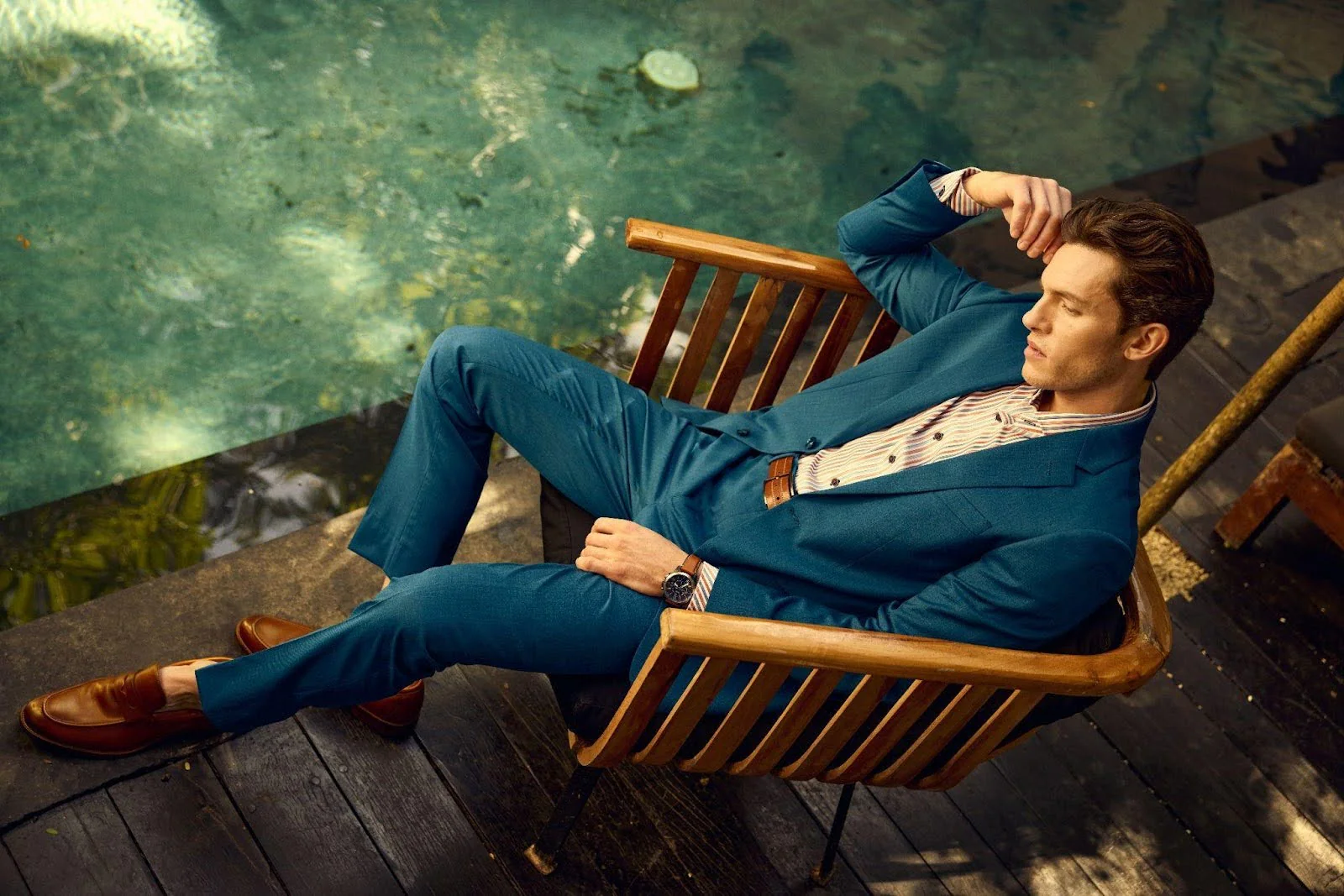
Classic suits for men have remained a symbol of sophistication, confidence, and professionalism for generations. While fashion trends come and go, the appeal of a well-tailored suit never fades. Whether worn in the boardroom, at weddings, formal dinners, or important social gatherings, a classic suit represents timeless elegance and refined taste. Its versatility allows men of all ages to dress appropriately for a wide range of occasions while maintaining a polished appearance. Unlike trendy outfits that quickly become outdated, classic suits are designed with enduring styles, neutral colors, and balanced proportions that continue to look fashionable year after year.
The history of the classic men’s suit dates back centuries, evolving from formal European attire into the modern two-piece and three-piece suits we recognize today. Designers have refined the silhouette over time, but the essential elements remain unchanged: a structured jacket, well-fitted trousers, and often a matching waistcoat. These pieces work together to create a clean, flattering look that enhances the wearer’s physique. Navy, charcoal gray, and black have long been considered staple colors because they are suitable for nearly every formal occasion. Fabrics such as wool, tweed, and high-quality cotton also contribute to the durability and elegance of classic suits.
One of the greatest strengths of a classic suit is its adaptability. With a simple change of shirt, tie, shoes, or accessories, the same suit can be transformed from business attire to evening wear. A navy suit paired with a crisp white shirt and burgundy tie projects authority in a professional setting, while the same suit with a patterned pocket square and brown leather shoes creates a sophisticated look for a wedding or celebration. This flexibility makes investing in a classic suit an excellent decision for men seeking value and long-term style.
Another reason classic suits remain popular is their ability to boost confidence. Wearing clothing that fits properly and looks refined naturally improves posture and self-esteem. People often associate tailored suits with competence, reliability, and success, making them valuable in both personal and professional situations. Whether attending a job interview, giving a presentation, or celebrating a special milestone, a classic suit helps create a memorable first impression. Because of its timeless appeal, it never feels out of place, allowing the wearer to focus on the occasion rather than worrying about fashion choices.
Choosing the Perfect Fit and Fabric for Lasting Style
Selecting the right classic suit involves more than simply choosing a color. Fit is the single most important factor in determining how stylish a suit appears. Even the highest-quality fabric will look unflattering if the jacket is too large or the trousers are poorly tailored. A properly fitted suit follows the natural shape of the body without feeling restrictive. The shoulders should align perfectly, the jacket sleeves should reveal a small portion of the shirt cuff, and the trousers should fall neatly over the shoes with a slight break.
Men generally have several fit options to consider. A classic fit offers generous room and maximum comfort, making it suitable for traditional business wear and individuals who prefer a relaxed silhouette. Slim-fit suits provide a more modern appearance with narrower cuts through the chest, waist, and legs, while tailored-fit suits strike a balance between comfort and a streamlined profile. Understanding body shape and personal preference is essential when choosing among these options. Tailoring adjustments, even for off-the-rack suits, can dramatically improve the final appearance.
Fabric selection also plays a significant role in comfort and durability. Wool remains the gold standard for classic suits due to its breathability, wrinkle resistance, and ability to regulate temperature throughout the year. Lightweight wool suits are ideal for warmer climates, while heavier wool fabrics provide additional warmth during colder seasons. Cotton suits offer a more casual yet polished look, making them excellent for daytime events. Linen suits, although more prone to wrinkles, provide exceptional comfort during summer months and outdoor gatherings. Tweed suits, with their textured finish, are perfect for autumn and winter occasions.
Color choices should reflect versatility and intended use. Navy suits are often considered the most practical because they transition effortlessly between business and formal events. Charcoal gray offers understated sophistication and pairs well with nearly every shirt and tie combination. Black suits remain essential for evening functions, funerals, and highly formal occasions, while medium gray provides flexibility for everyday office wear. Subtle patterns such as pinstripes, windowpane checks, or herringbone add personality without compromising the timeless nature of the suit. By investing in quality fabrics and ensuring an excellent fit, men create a wardrobe foundation that remains stylish for many years.
Essential Styling Tips for a Sophisticated Appearance
Owning a classic suit is only the beginning; styling it correctly elevates the entire outfit. Every accessory contributes to the overall presentation, and thoughtful coordination creates a polished, elegant appearance. The dress shirt serves as the foundation of the ensemble. White shirts remain the most versatile option because they complement virtually every suit color and tie pattern. Light blue shirts are another timeless choice, adding subtle contrast while maintaining a professional look. High-quality cotton shirts with well-structured collars enhance the suit’s clean lines and refined aesthetic.
Ties provide an opportunity to express personal style while respecting formal dress codes. Solid silk ties in navy, burgundy, or dark green are excellent choices for business settings. Patterned ties featuring stripes, dots, or understated geometric designs introduce visual interest without overpowering the outfit. The tie should reach the belt buckle and complement both the shirt and suit rather than competing with them. Pocket squares add another layer of sophistication, especially during weddings or celebratory occasions. While they need not perfectly match the tie, they should coordinate harmoniously with the overall color palette.
Footwear significantly influences the final appearance of a classic suit. Black leather Oxford shoes remain the preferred option for formal events, while brown brogues or Derby shoes pair beautifully with navy and gray suits. Shoes should always be polished and well-maintained, as neglected footwear can diminish an otherwise elegant outfit. Matching the belt color to the shoes creates visual consistency and demonstrates attention to detail. High-quality leather accessories also tend to age gracefully, making them worthwhile long-term investments.
Proper grooming further enhances the elegance of a classic suit. A neat haircut, trimmed facial hair, and clean nails contribute to a polished overall appearance. Watches, cufflinks, and understated jewelry should complement rather than distract from the suit. Modern style emphasizes balance, avoiding excessive accessories or bold patterns that overshadow the timeless nature of classic tailoring. Confidence is perhaps the most important finishing touch. Standing tall, maintaining good posture, and wearing the suit comfortably allows its craftsmanship and elegance to shine naturally. When every element works together harmoniously, a classic suit becomes more than clothing—it becomes an expression of confidence, professionalism, and refined taste.
Classic Suits for Every Occasion and Season
One of the greatest advantages of classic suits for men is their remarkable versatility across different occasions and seasons. A well-selected suit can easily adapt to business meetings, weddings, formal dinners, graduation ceremonies, religious events, and social gatherings with only minor styling adjustments. This adaptability makes classic suits one of the most practical investments in a man’s wardrobe. Rather than purchasing multiple outfits for every event, men can rely on a few carefully chosen suits paired with different shirts, ties, and accessories.
Business environments typically favor navy and charcoal suits combined with conservative shirts and ties. These combinations communicate professionalism and reliability while remaining understated. Weddings often provide greater flexibility, allowing lighter colors such as medium gray or subtle blue suits during daytime celebrations, while darker suits remain appropriate for evening receptions. Black-tie events require tuxedos, but traditional black suits can still be suitable for many formal gatherings where tuxedos are not mandatory. Seasonal considerations also influence suit selection. Lightweight wool, cotton, and linen fabrics provide comfort during spring and summer, whereas heavier wool, tweed, and flannel offer warmth throughout autumn and winter.
Layering enhances both comfort and style during colder months. A tailored overcoat in camel, navy, or charcoal complements classic suits beautifully while providing additional insulation. Fine-knit sweaters or waistcoats can also be incorporated without sacrificing elegance. During warmer seasons, breathable shirts and unlined jackets improve airflow and keep the wearer comfortable throughout long events. Choosing seasonal fabrics ensures that the suit maintains both functionality and sophistication regardless of the weather.
Maintaining versatility also involves building a wardrobe gradually. Starting with a navy suit, followed by charcoal gray and medium gray, provides excellent coverage for most occasions. Over time, adding patterned suits or textured fabrics expands styling possibilities while preserving the timeless character of the collection. Because classic suits transcend changing fashion trends, they continue to deliver value long after seasonal styles disappear. This combination of adaptability, practicality, and enduring elegance explains why classic suits remain essential for modern gentlemen worldwide.
Maintaining Your Classic Suit for Years of Timeless Elegance
A high-quality classic suit is an investment that can last many years when properly maintained. Regular care preserves the fabric, structure, and overall appearance, ensuring the suit continues to look as elegant as the day it was purchased. One of the most important maintenance practices is avoiding excessive dry cleaning. Frequent chemical cleaning can gradually weaken delicate fibers, reducing the lifespan of the fabric. Instead, suits should be brushed after wearing to remove dust and lint while allowing them to air out naturally before being returned to the wardrobe.
Proper storage is equally important. Wooden hangers with broad shoulders help maintain the jacket’s shape, preventing wrinkles and shoulder distortion. Garment bags protect suits from dust while allowing airflow, reducing moisture buildup that can damage fabrics over time. Trousers should be hung carefully or folded along their original crease to preserve their tailored appearance. Rotating between multiple suits rather than wearing the same one every day also minimizes wear and allows fabrics to recover between uses.
Minor repairs should never be postponed. Loose buttons, small tears, or damaged linings are easier and less expensive to fix when addressed early. Professional tailoring services can also refresh older suits by adjusting the fit as body shapes change over time. This ability to update existing garments extends their usefulness while maintaining a modern appearance. Investing in quality shoe care, shirt maintenance, and matching accessories further preserves the polished image associated with classic tailoring.
Ultimately, classic suits for men represent more than fashion—they embody tradition, craftsmanship, confidence, and timeless elegance. They provide unmatched versatility for professional and personal occasions while offering exceptional long-term value through durable materials and enduring design. By selecting high-quality fabrics, ensuring a precise fit, styling thoughtfully, and maintaining garments carefully, every man can enjoy the sophistication and confidence that only a classic suit can provide. In an ever-changing world of fashion, the classic suit remains a symbol of impeccable taste, proving that true style never goes out of fashion.










Post Comment