Why Does Your Outfit Look Wrong? 10 Small Styling Mistakes You Might Be Making
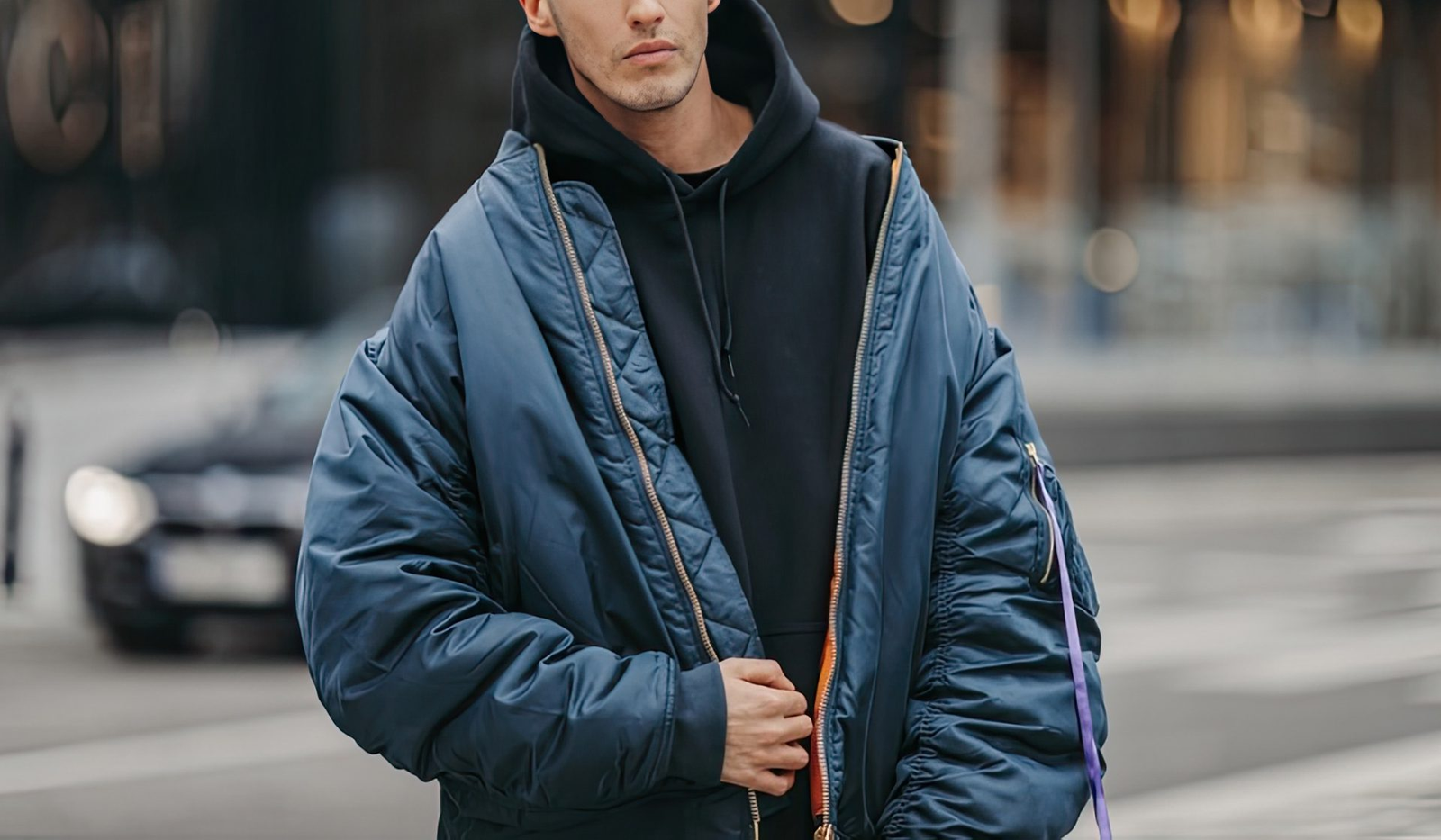
You’ve probably had this moment: you get dressed, check the mirror, and something feels off, but you can’t quite explain what. The clothes are fine individually. The outfit just doesn’t come together the way you expected.
More often than not, it’s not one big mistake. It’s a small, easily fixable detail that’s quietly throwing off the whole look. Once you know what to check for, these issues become easy to spot and even easier to correct.
Here are ten small styling mistakes that commonly make outfits look wrong, along with simple fixes for each one.
1. Wearing the Wrong Fit for Your Body
Fit issues are the most common reason an outfit feels “off” without an obvious explanation. Sleeves that run too long, shoulders that sit too wide, or trousers that pool at the ankle can all quietly undermine an otherwise good outfit.
Quick fix:
- Check how the garment fits at the shoulders, waist, and hem before wearing it out.
- Get frequently worn pieces tailored rather than settling for an imperfect fit.
- Try a different size than your usual label size if the cut runs differently.
2. Mixing Too Many Competing Colors
A few too many colors competing for attention is one of the fastest ways to make an outfit feel chaotic rather than intentional. This often happens when each piece looks fine alone but clashes once combined.
Quick fix:
- Stick to two or three colors per outfit, including shoes and accessories.
- Use neutrals as your base and add one accent color at a time.
- If unsure, build the outfit around one dominant color and let the rest support it.
3. Ignoring Proportion Balance
Pairing oversized pieces with other oversized pieces, or fitted with fitted, can flatten your silhouette rather than shaping it. This mistake is easy to make because each piece can look great on its own.
Quick fix:
- Balance loose tops with slimmer bottoms, or the reverse.
- Define your waist with a belt when wearing looser silhouettes.
- Roll or tuck details slightly to add intentional shape.
4. Wearing Wrinkled or Unmaintained Clothing
Wrinkles, pilling, and faded fabric are subtle details that register almost instantly, even if the person looking at you can’t name exactly what’s wrong. This is one of the most common, most overlooked reasons an outfit looks cheap or careless.
Quick fix:
- Steam or iron key pieces before wearing them, especially structured items like blazers and jackets.
- Store clothing properly, using hangers for structured pieces and folding for knitwear.
- Address small damage, like loose buttons or minor tears, before they become more visible.
5. Mismatched Metal Tones and Hardware
Small inconsistencies, like gold jewelry paired with silver belt buckles, are easy to overlook but noticeable once you know to look for them. These tiny mismatches can quietly undercut an otherwise polished outfit.
Quick fix:
- Match watch, belt, and jewelry tones where possible.
- Coordinate shoe and accessory hardware in the same color family.
- Choose one dominant metal tone per outfit rather than mixing several.
6. Choosing the Wrong Footwear for the Outfit
Shoes carry more visual weight than people often realize. Pairing dressy pieces with overly casual sneakers, or casual outfits with formal shoes, can create a mismatch in tone that feels subtly wrong.
Quick fix:
- Match your footwear’s formality level to the rest of the outfit.
- Keep shoes clean and well-maintained, since scuffed footwear is highly noticeable.
- When unsure, choose a versatile neutral shoe that bridges casual and dressy occasions.
7. Wearing Outerwear That Doesn’t Match the Outfit’s Tone
Outerwear sits on top of everything else, which means it heavily influences how the rest of your outfit reads. A jacket that’s too casual, too bulky, or the wrong color can throw off an otherwise well-put-together outfit underneath.
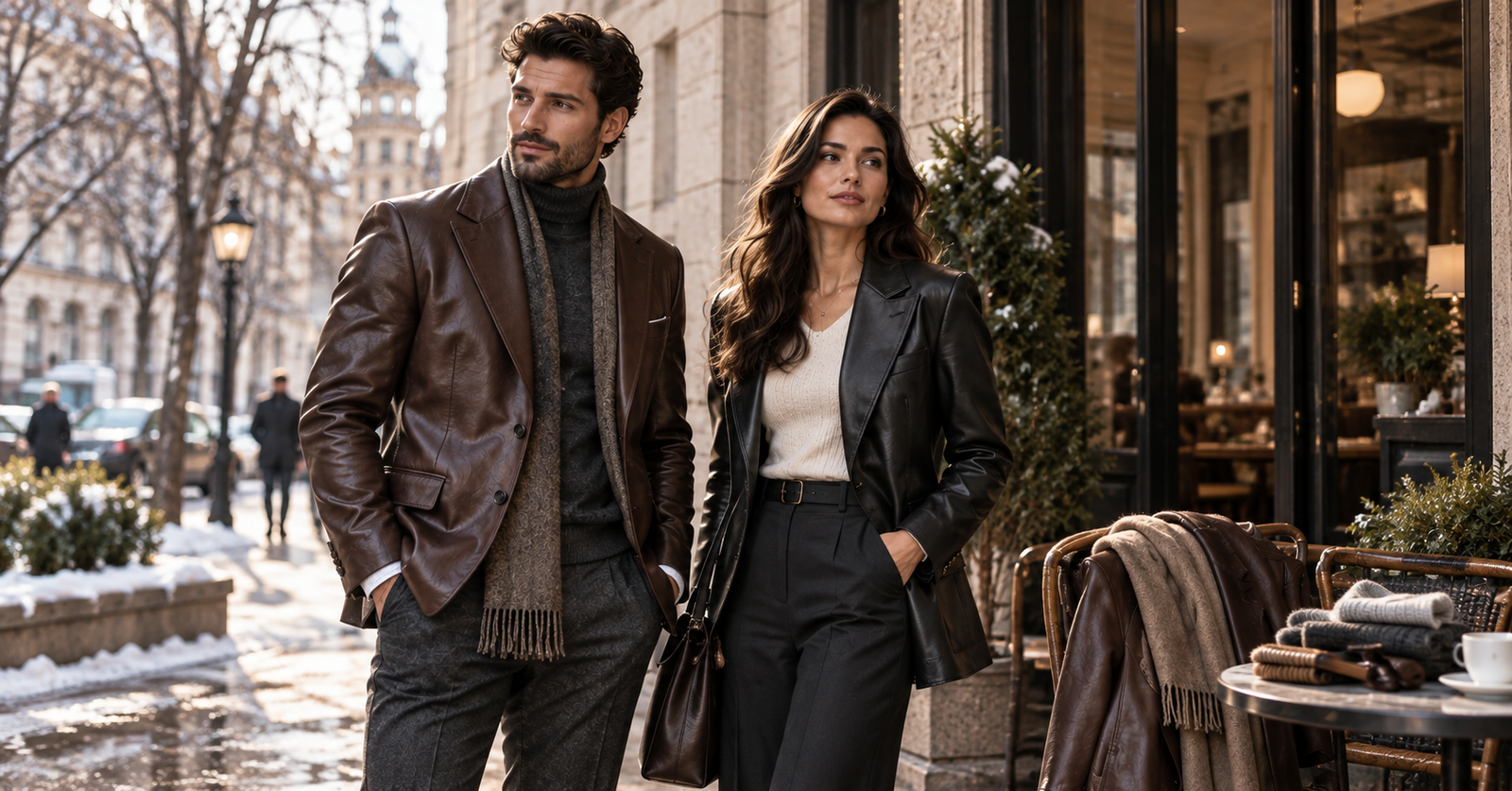
This is especially true with leather jackets, which can either elevate an outfit or clash with it depending on fit and tone. A stiff, poorly fitted, or overly shiny synthetic jacket often reads as cheap, while a well-made, genuine leather jacket tends to look intentional no matter what’s underneath it.
If your jacket feels stiff and doesn’t move naturally with your outfit, that’s common with new leather. Learning how to soften leather using gentle, gradual methods helps it settle into a more natural shape over time
The Leather Coats shares guidance on doing this properly.
If you’re shopping for a versatile option, men’s leather jackets from The Leather Coats are worth checking out as a reference for what a well-fitted, adaptable jacket should look like.
8. Overaccessorizing
Too many accessories competing for attention can make even a well-fitted, well-colored outfit feel cluttered. This mistake often comes from wanting to “finish” an outfit but overcorrecting with too many pieces at once.
Quick fix:
- Choose one statement accessory per outfit rather than several.
- Remove one item before leaving the house if you’re unsure whether the outfit feels balanced.
- Let simpler outfits carry a bolder accessory, and let busier outfits stay minimal on accessories.
9. Ignoring Seasonal Fabric Weight
Wearing fabrics that don’t match the season, like heavy wool in summer or thin linen in winter, can make an outfit look mismatched even if the colors and fit are otherwise correct. This is a subtle mistake that’s more about feel than appearance, but it still affects how an outfit reads.
Quick fix:
- Choose lighter fabrics like cotton and linen for warmer months.
- Save heavier fabrics like wool and leather for cooler weather or layering.
- Pay attention to how a fabric drapes and breathes, not just how it looks in a photo.
10. Not Adjusting Fit Over Time
Bodies change, and clothing that fit perfectly a year or two ago may no longer sit the same way. Continuing to wear pieces without reassessing fit is a quiet but common styling mistake.
Quick fix:
- Periodically reassess your most-worn pieces for fit, not just condition.
- Have key pieces re-tailored if your proportions have shifted.
- Don’t hesitate to retire pieces that no longer fit well, even if they were once favorites.
Building a Habit of Noticing These Details
Most of these mistakes aren’t about a lack of style sense. They’re about small details that are easy to overlook without a consistent check-in habit.
A simple pre-outfit checklist:
- Check fit at the shoulders, waist, and hem.
- Confirm your color palette stays within two or three tones.
- Look for wrinkles, loose threads, or scuffed shoes.
- Make sure metal tones and accessories are consistent.
- Step back and assess proportion and balance as a whole, not piece by piece.
Running through this checklist takes less than a minute once it becomes a habit, and it consistently prevents the small mistakes that make outfits feel “off.”
Final Thoughts on Fixing Small Styling Mistakes
An outfit rarely looks wrong because of one major flaw. It’s usually a combination of small, fixable details, fit, color balance, maintenance, and consistency that quietly add up. The good news is that once you know what to look for, these mistakes are easy to catch and even easier to correct.
Start by auditing your most-worn pieces against this list, and pay particular attention to outerwear like jackets, since they carry so much visual weight in every outfit they’re part of.
FAQs
1. Why does my outfit look wrong even though each piece looks fine alone? This usually comes down to small mismatches in fit, color balance, or proportion that only become noticeable once pieces are combined.
2. What’s the fastest styling mistake to fix?
Wrinkled clothing and mismatched metal tones are usually the quickest fixes, requiring only a few minutes of attention before you leave the house.
3. Does outerwear really affect the whole outfit that much?
Yes. Since outerwear is the outermost, most visible layer, it strongly influences how the rest of the outfit is perceived.
4. How often should I reassess the fit of my clothes?
It’s worth checking every six months to a year, especially for frequently worn pieces, since body proportions and fabric can shift over time.
5. Is it normal for a new leather jacket to feel stiff?
Yes, this is completely normal for genuine leather. It softens naturally with wear and proper care over the first several weeks of use.
Conclusion
Small styling mistakes are easy to miss but just as easy to fix once you know where to look. Pay attention to fit, color balance, maintenance, and the details that tie an outfit together, especially outerwear like a well-chosen leather jacket, and you’ll notice your outfits coming together with far less second-guessing.













Post Comment