What Makes Colored Diamonds Rarer Than White Diamonds?
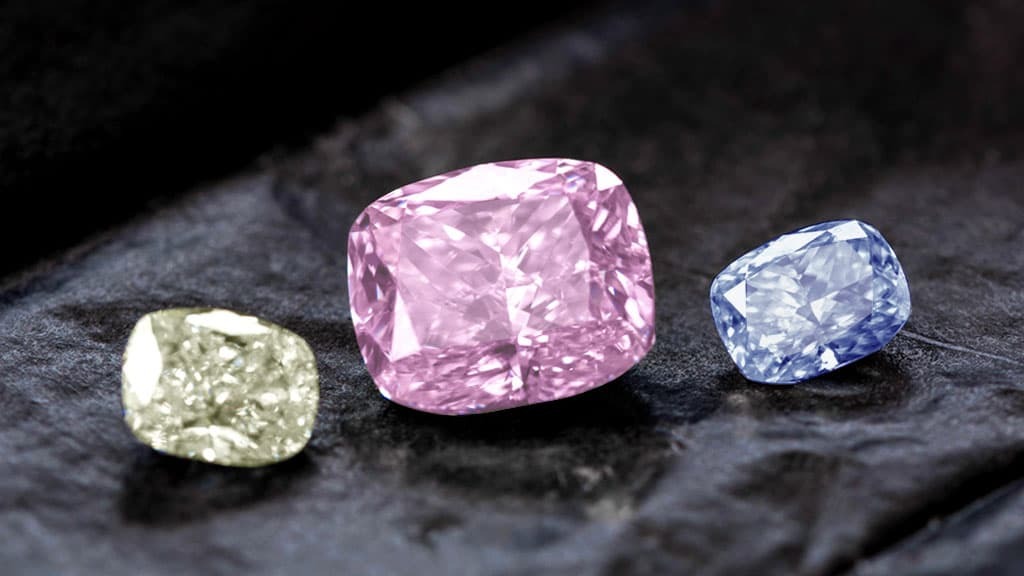
Chemistry and rare geological conditions make colored diamonds far less common than white diamonds. Trace elements such as boron, nitrogen, or exposure to natural radiation can alter a diamond’s crystal structure and create vivid hues, which is why many collectors seek guidance from the best colored diamond buyers from Diamond Banc for expert insight.
White diamonds form more frequently because they lack these color-inducing factors, making naturally colored diamonds more valuable to many jewelers and collectors due to their scarcity and distinct appeal.
The Basics: What Are Colored Diamonds?
Diamonds are made of carbon atoms arranged in a tightly bonded crystal structure. This structure is what makes diamonds so hard and durable. But most diamonds form without any noticeable color, resulting in the familiar clear or “white” appearance.
Colored diamonds, on the other hand, contain tiny impurities or structural defects that alter the way they absorb and reflect light. These variations in atomic structure create rich colors like:
- Yellow (often caused by nitrogen)
- Blue (typically from boron)
- Pink and red (from crystal lattice distortions)
- Green (usually from natural radiation exposure)
- Brown and black (due to structural anomalies or inclusions)
Even slight changes at the atomic level can dramatically affect a diamond’s hue, which is one reason why colored diamonds are so special.
Why White Diamonds Are More Common
Before diving into why colored diamonds are rare, it helps to understand why white diamonds are more abundant.
Diamonds form deep within the Earth’s mantle under intense heat and pressure over billions of years. Most diamonds, whether white or colored, begin their formation in similar conditions. Over time, volcanic activity pushes these stones toward the surface.
What makes a diamond white is simply that its atomic lattice remains relatively perfect, free of significant impurities or distortions. Because the conditions required for a diamond to remain clear are not unusual in geological terms, white diamonds are far more common in nature.
Additionally, the global diamond industry has spent decades building supply chains around white diamonds, making them more widely distributed and available in the market.
Why Are Colored Diamonds Rare?
Because colored diamonds don’t just form; they require unique geological circumstances.
Trace Elements
To produce color, diamonds often must capture trace elements during their formation:
- Nitrogen can produce yellow or orange hues.
- Boron can lead to blue shades.
These elements have to be present in just the right way, in just the right amount. Too much or too little, and the diamond will either stay white or become black or brown, not the vibrant colors collectors seek.
Structural Distortions
In some cases, no foreign elements are involved. Instead, the diamond’s crystal lattice becomes distorted during formation. This distortion affects how light travels through the stone, producing pink or red colors. But such distortions are exceedingly rare and unpredictable.
Natural Radiation
Green diamonds often get their color from prolonged exposure to natural radiation deep within the Earth. This radiation alters the diamond’s structure near its surface. But again, this requires very specific conditions that occur in only a small fraction of geological environments.
Because these combinations of trace elements, crystal distortions, and environmental factors are so uncommon, fancy colored diamonds are exponentially rarer than white diamonds.
Which Colored Diamonds Are the Rarest?
Not all colored diamonds are created equal. Some are rarer and more desirable than others:
a. Red Diamonds
Red diamonds are among the rarest gems on Earth. Unlike other colored diamonds, red stones do not contain significant amounts of impurities; instead, their color stems from crystal lattice defects. The result is a pure and intense hue that few specimens achieve.
Even tiny red diamonds, fractions of a carat, can sell for staggering prices because they are so uncommon.
b. Blue Diamonds
Blue diamonds get their color from trace boron. While slightly more common than red, blue diamonds are still incredibly rare, especially in larger sizes. Famous examples like the Hope Diamond highlight both their beauty and scarcity.
c. Green Diamonds
Green diamonds owe their color to natural radiation exposure. True natural green diamonds (as opposed to treated or irradiated ones) are very rare, particularly those with deep, evenly distributed color.
d. Pink and Orange Diamonds
These diamonds are rare as well, with deep pink and intense orange stones being especially valuable. Pink diamonds tend to come from very limited geographic regions, making them even harder to source.
e. Fancy Yellow Diamonds
While yellow diamonds are the most common colored diamond type, vivid or intense yellows, especially those with strong saturation, remain rare and prized.
Final Thoughts: Why Colored Diamonds Matter
Colored diamonds are rare because they capture the extraordinary unpredictability of nature. Unlike white diamonds, which form relatively often, colored diamonds require an exact alignment of:
- Trace elements
- Crystal distortions
- Geological events
- Time and pressure
These perfect conditions occur so rarely that vivid, naturally colored diamonds are among the rarest gemstones on Earth. Their scarcity, striking colors, and unique formation make them highly valuable, not just as exquisite jewelry, but also as sought-after investment pieces.
Collectors and buyers prize these gems for their beauty, rarity, and enduring worth, ensuring that colored diamonds remain a symbol of both luxury and lasting value.
Disclaimer
The information provided in this article is for educational and informational purposes only. While every effort has been made to ensure accuracy, the content should not be considered professional gemological, financial, or investment advice. Diamond characteristics, rarity, and value can vary significantly depending on factors such as origin, grading, market demand, and certification by recognized gemological laboratories.













Post Comment