Why High-Kilometre Vehicles Need Closer Attention to D4CB Engine Performance
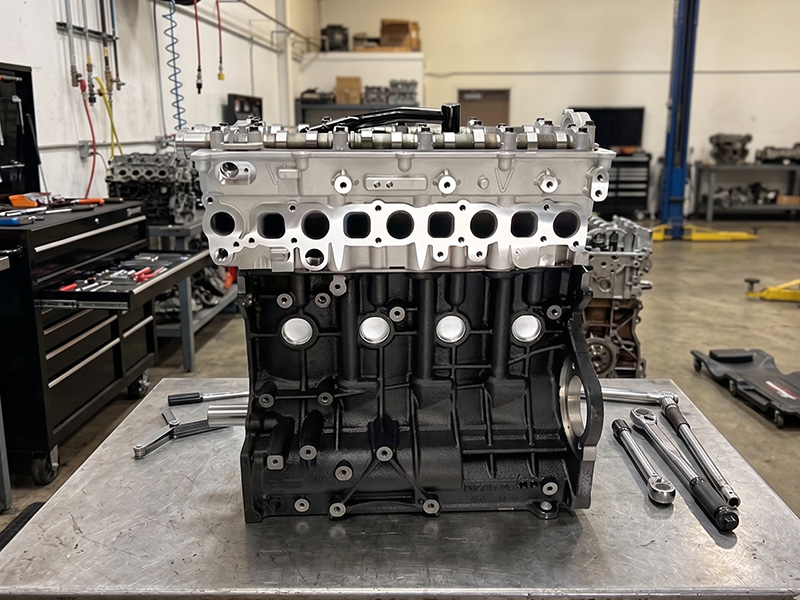
You can usually tell when a work vehicle has lived a busy life. The steering wheel feels slightly worn smooth. Small scratches around the rear doors. Random receipts in the glovebox from fuel stations three towns apart. Coffee stains that probably gave up years ago.
And somewhere underneath all that daily use sits the D4CB Engine, still expected to start every morning without complaint. That’s the thing with diesel commercial vehicles. People rely on them heavily. Maybe too heavily sometimes.
Tradespeople. Delivery drivers. Shuttle services. Family transport. Long regional drives. Constant stop-start traffic. A lot of these engines don’t get easy lives.
Which is exactly why small maintenance issues around a D4CB Engine can quietly grow into major repair problems when nobody pays attention early enough. Not instantly though. That’s what catches people out.
Most Engine Problems Start Small and Boring
Nobody really notices gradual mechanical wear at first. A little extra smoke during cold starts. Slightly rougher idling at traffic lights. Fuel economy dipping enough to feel annoying but not alarming. Easy to ignore. Especially when the vehicle still technically “runs fine.”
A D4CB Engine often keeps going through early warning signs for quite a while before problems become serious enough to force action. That reliability can actually work against owners sometimes because they delay inspections longer than they should.
One mechanic described it perfectly once. He said diesel engines are “good at suffering quietly.” Honestly, that feels accurate.
Heavy Traffic Changes the Way Engines Age
A lot of people think highway driving causes the most wear on a D4CB Engine, but city traffic creates its own kind of stress.
Constant braking. Idling. Short trips where the engine barely reaches proper operating temperature before shutting down again. Then repeat that five times a day.
Commercial vehicles especially spend huge amounts of time crawling through suburban traffic with heavy loads or equipment inside. Over time, all that strain affects cooling systems, injectors, oil quality, and turbo performance differently than people expect.
Not dramatically overnight. Just slowly. And gradual damage is harder to notice because drivers adapt to it little by little.
Cooling Systems Matter More Than Most Drivers Realise
This comes up constantly with diesel engines. Heat management matters. A lot. A neglected cooling issue inside a D4CB engine can eventually affect multiple components at once if temperatures stay inconsistent for too long. Radiators, hoses, coolant quality, thermostats. They all play roles bigger than many owners realise. Especially during Australian summers.
You see vans parked outside worksites all afternoon in brutal heat, air-conditioning running constantly, engines idling longer than ideal. That environment pushes cooling systems hard.
And overheating damage rarely stays isolated to one simple repair. That’s usually where costs start climbing quickly.
Drivers Learn the “Normal” Sound of Their Vehicle
Funny thing about long-term vehicle ownership. People become weirdly tuned in to engine sounds. You notice when your D4CB engine doesn’t quite sound right anymore even before warning lights appear.
Maybe the startup feels rougher. Maybe acceleration sounds heavier climbing hills. Tiny changes. Most experienced drivers sense it instinctively because they hear the vehicle every single day. The problem is they often convince themselves it’s probably nothing important.
Until the workshop inspection says otherwise. And sometimes repairs would’ve been much smaller if caught earlier. That part frustrates people most.
Maintenance Delays Usually Happen for Normal Reasons
Not laziness. Usually life. Work gets busy. Bills stack up. Someone postpones servicing because the vehicle still seems “good enough” for another month. Completely understandable.
But a D4CB Engine running overdue oil changes or neglected filter replacements for extended periods slowly builds wear internally even when symptoms aren’t obvious yet.
Diesel engines rely heavily on clean lubrication systems. Especially high-kilometre ones carrying loads regularly.
And once contaminants or heat damage begin affecting internal components, repair conversations become much more uncomfortable financially. Nobody enjoys hearing the phrase “major engine work.”
Commercial Vehicles Rarely Get Proper Rest
That’s another thing. A privately owned weekend vehicle might sit untouched for days. Commercial vehicles with a D4CB Engine often don’t get that luxury.
They start early. Stop late. Repeat constantly. Airport transfers at dawn. Deliveries through traffic. Regional driving. Tools in the back. Heavy passengers. Endless kilometres every week.
Some engines handle incredible workloads over years without major issues because servicing stayed consistent. Others develop preventable failures simply because small problems stayed ignored too long.
Usage patterns matter. So does maintenance discipline. Boring answer maybe. Still true.
Modern Diagnostics Catch Problems Earlier
One positive shift in recent years is how workshops can now identify developing D4CB engine issues earlier through diagnostics before total breakdowns happen.
Sensors detect airflow irregularities, injector performance problems, cooling inconsistencies, or fuel system faults much sooner than older vehicles allowed.
Which matters because diesel repairs become dramatically more expensive once damage spreads internally.
Early intervention usually means smaller bills. Usually. Waiting until thick smoke pours from the exhaust beside a motorway tends to produce the opposite result.
Sometimes Drivers Wait for Warning Lights
This happens constantly too. People assume no dashboard warning means no serious problem. Not always accurate.
A D4CB Engine can develop mechanical wear gradually before electronic systems trigger obvious alerts. Noise changes, fuel consumption shifts, sluggish acceleration, rough idling, or harder cold starts often appear first.
The vehicle talks before warning lights do sometimes. Just quietly. Experienced technicians usually pay attention to those small behavioural changes because patterns matter more than isolated symptoms.
Reliability Depends on Consistency
The interesting thing about the D4CB engine is that many owners genuinely describe it as reliable when properly maintained. And they’re not wrong.
But reliability usually comes from consistency more than luck. Regular servicing. Cooling system inspections. Good oil quality. Early diagnostics. Responding to unusual symptoms before they escalate. Simple things mostly.
Though simple maintenance becomes harder when vehicles are tied directly to work schedules and daily income. People keep pushing through because stopping the van means stopping work temporarily too. That pressure is real for a lot of owners.
Small Repairs Are Usually Easier Than Big Ones
Most major engine failures don’t arrive without warning signs first. That’s probably the biggest takeaway. A D4CB engine from iLoad Engines generally gives clues when something starts drifting away from normal performance. Maybe subtle clues. Maybe inconveniently easy to ignore. But they’re usually there.
And drivers who respond earlier tend to avoid the bigger mechanical disasters later on. Not always. Machines are still machines. But often enough that paying attention to the small stuff genuinely matters.














Post Comment