The Hidden Warning Signs of Workplace Burnout Before Productivity Declines
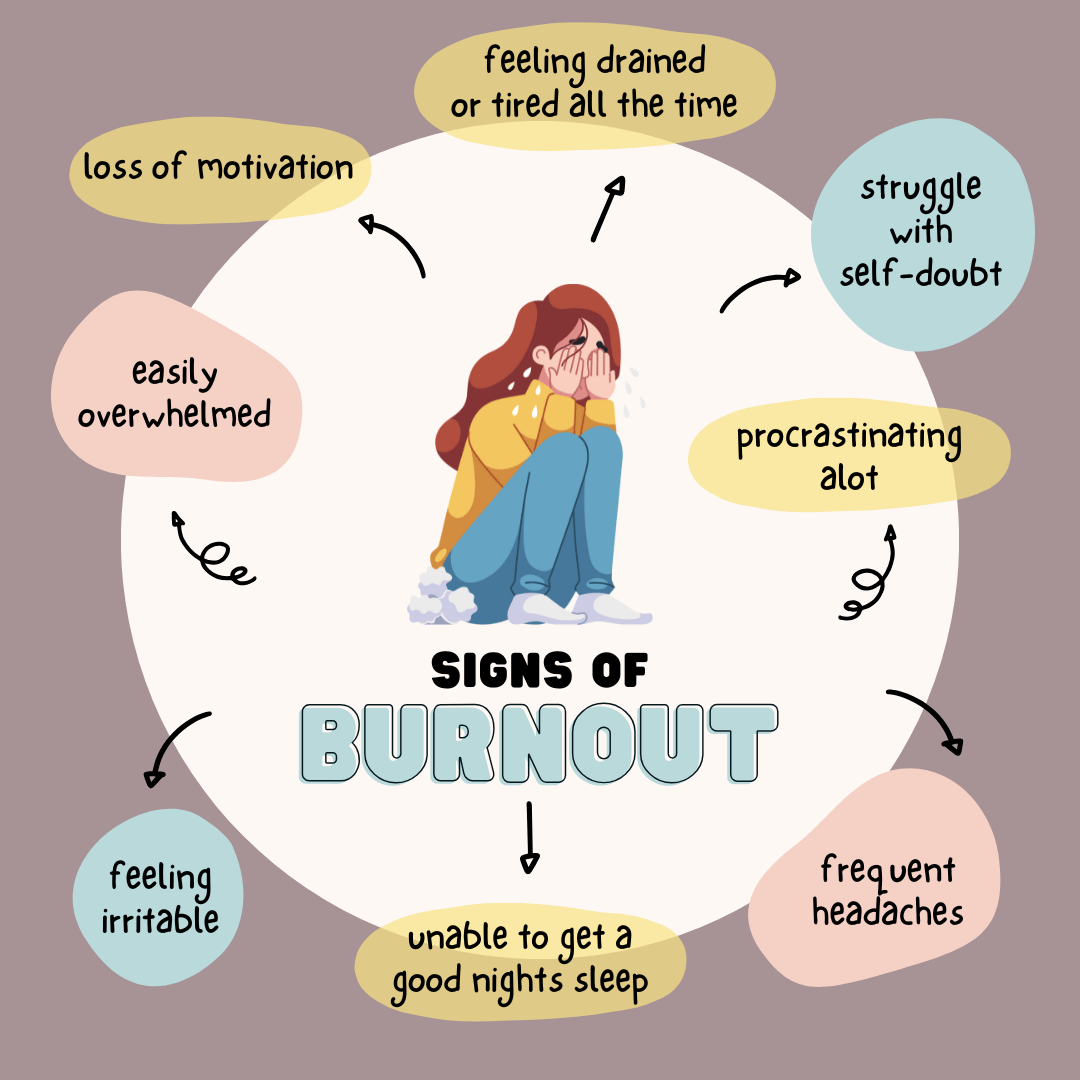
People often believe that burnout occurs in a flash in the workplace. In fact, it’s a gradual process. Symptoms can be difficult to spot in the early stages as staff are still at work. At first glance, it could be any other day. Beneath, stress keeps on mounting.
Employees are not the only ones who can experience burnout. It also affects managers, making understanding burnout in high-performing professionals more important than ever. Without identifying the warning signs, the team’s effectiveness, employee well-being, and job performance may be affected.
Fortunately, many times, burnout can be avoided. Early warning signs of declining productivity can be recognized by leaders, who can then take action before it becomes a problem. It is important to be aware of these subtle factors in order to make your work environment healthier and more supportive.
What is Workplace Burnout?
Workplace burnout is a condition of emotional, mental, and physical fatigue that results from chronic work stress. It typically occurs when individuals experience prolonged periods of stress and feel overwhelmed but do not receive adequate rest and support.
Burnout is not just tiredness after a long day. Can impact motivation, focus, confidence, and job satisfaction. With time, it can decrease individual health and productivity at work. Burnout is much more likely to be reversed if it’s identified early.
Persistent Unremitting Fatigue
It’s normal to feel tired after a tough week! Burnout is different. Burnout staffers may find themselves feeling drained even after taking a break or sleeping through the night. They have a low level of energy, and normal activities become increasingly difficult.
One of the first signs of having a hard time dealing with stress is fatigue. Failure to heed this warning sign can result in worse issues in the future.
Loss of Motivation
Formerly motivated individuals may start to lose interest in their work. Formerly motivated individuals may gradually lose interest. They still do their jobs but lack excitement in new projects/opportunities. Work becomes a task you dread instead of a worthwhile activity.
This lack of motivation is not a direct result of loss of productivity, but may show up first. When workers start to lose their enthusiasm, take note and listen to what leaders are saying.
Difficulty Concentrating
Stress has a two-way impact: it impacts the body and also the mind. Burnout-affected employees might have trouble concentrating. May forget small details, miss conversations or may have difficulty completing tasks that used to be easy.
Simple decisions may take longer than normal. Lower concentrations enhance the risk of errors and reduce productivity.
Increased Irritability
When someone is burned out, their approach to everyday situations can change. Staff can get irritable with each other, customers, and the manager. Minor issues evoke out-of-the-ordinary feelings.
A previously calm and cheerful person may be frustrated more frequently. These emotional shifts are typically due to prolonged stress and not bad attitude. Oftentimes, support and understanding will be more useful than criticism.
Withdrawing from Colleagues
Positive work environments promote collaboration and communication. People who are suffering from burnout may start to avoid talking, meetings or socializing with workers. May remain more silent between activities or not be as involved in group conversations.
Being in withdrawal does NOT necessarily mean someone does not like their job. It may just be a way of saying “I’m feeling tired, so I don’t feel like playing. Regular check-ins will enable leaders to observe the changes in the early stages.
More Frequent Mistakes
We all experience a few mistakes at some point in our lives. But when a person suffers from burnout, mistakes tend to occur more frequently.
The lack of concentration, mental fatigue and stress make it more difficult to perceive details. Few people are able to always make deadlines, remember important details, or attend to mundane matters.
Leaders should not assume that poor performance is the cause of the mistakes and instead ask if the mistakes could be linked to stress.Larger issues can be averted by the early support.
Changes in Attendance
A person’s attendance may also show signs of burnout. Some staff members start showing up late or to work when they are sick. People start showing up late or at work when they are sick. Others are often able to miss work without a break, but still work while they are tired physically and/or emotionally.
Both scenarios are not something that must be ignored. Leaders should not jump to conclusions about why these changes have occurred but they should try to understand.
Discuss Openly is likely to help find better Solutions
A decrease in interest in learning.A diminished interest in learning. When employees are engaged, they typically eagerly look for opportunities to develop.
This interest may dwindle with burn out. Individuals may stop volunteering for new projects and may refuse training and new responsibilities.This shift is due to their current load of work consuming most of their energies.
It can be helpful to build up confidence by offering encouragement and realistic expectations. When it comes to stress, there are often physical symptoms. Burnout impacts more than just feelings. It can also impact the body’s physical condition.
Symptoms of Burnout
Symptoms of burnout include headaches that happen on a regular basis, muscle tension, poor sleep, and general tiredness. Stress can also make some employees feel unwell or feel discomfort in their stomach as their body’s immune system is impaired.
While health conditions are not necessarily the responsibility of the leader, they should be aware that physical symptoms could relate to workplace stress.
A supportive conversation might help employees to get the assistance they require.
The Importance of Early Action
Burnout is significantly more difficult to deal with after one has reached the point of a decrease in productivity. Prevention is best, and it is beneficial to employees and organisations.
Recognizing stress warning signs, leaders can decrease workloads, shift priorities, allow more frequent breaks, or add more support before stress gets too much. Even simple conversations can be a difference.
If you hear their voice, they are more likely to tell you about a concern/issue before it becomes a serious problem.
How can leaders prevent burnout?
Strong leadership is a key factor in burnout prevention. Leaders should encourage a realistic workload and ensure work staff is aware of their priorities. Feedback can be regular; it doesn’t have to be a burden. We need a better understanding burnout in high-performing professionals.
It’s also essential to acknowledge positive behavior. Appreciation is a reminder to employees that their efforts are important. Managers should provide an atmosphere in which stress-related topics can be talked about without fear of repercussion.
Maintaining a balance between work and life is another step. Active breaks, rest, and setting boundaries is an effective way to help employees recover and stay performing over time. Caring for employee well-being leads to the care of teams. If leadership cares for the employee, the employee cares for the team.














Post Comment