Pravi Celer: Benefits, Nutrition, and How to Use True Celery
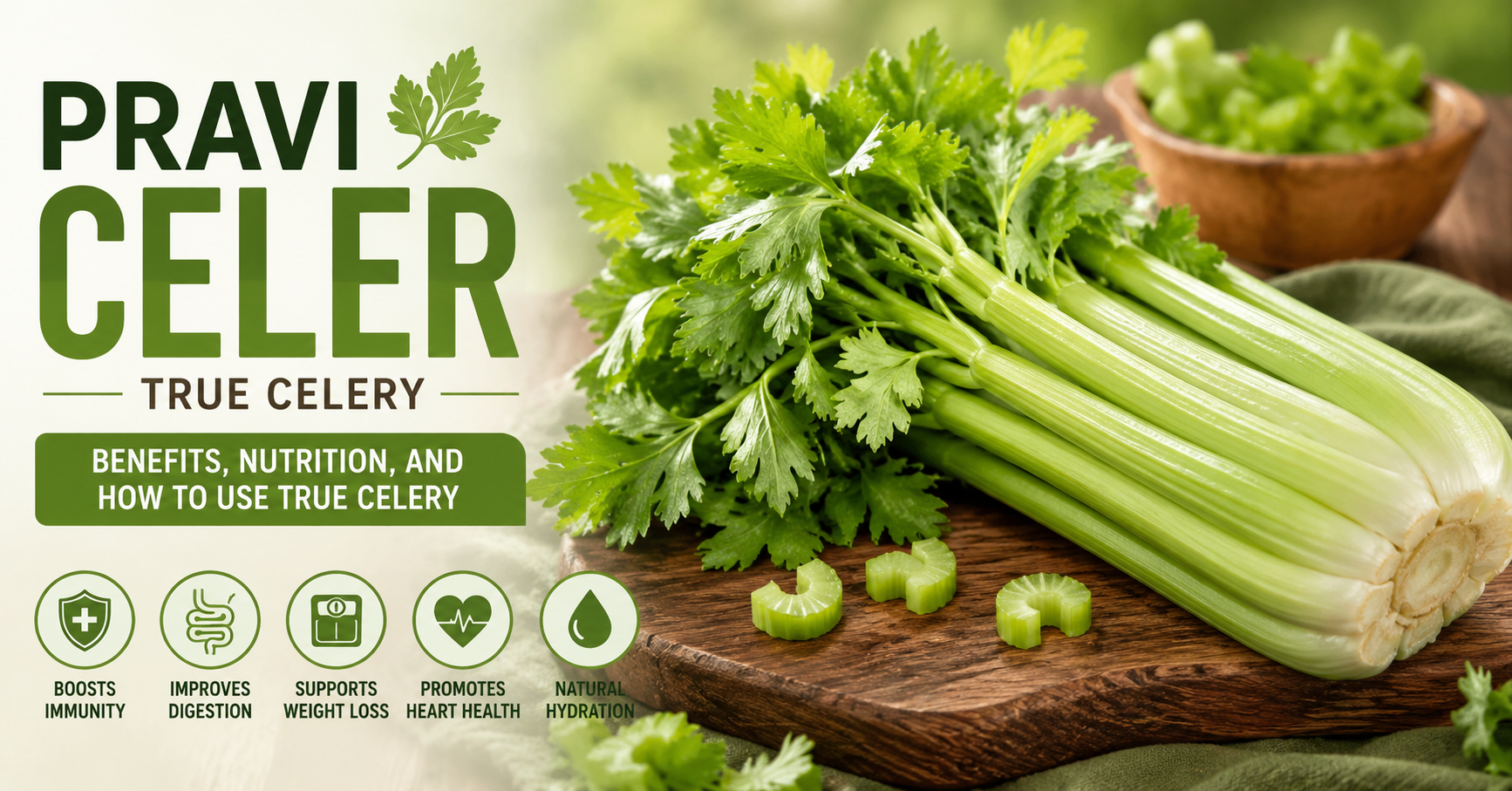
Pravi Celer, commonly known as true celery, is one of those vegetables that looks simple on the outside but carries a surprisingly deep nutritional and cultural history. Scientifically known as Apium graveolens, it has been used for centuries across Europe, the Mediterranean, and Asia both as a food ingredient and as part of traditional wellness practices.
Today, it is no longer just a kitchen vegetable. It has become a global health symbol, widely used in salads, juices, detox diets, and low-calorie meal plans. Its crisp texture, refreshing taste, and high water content make it a favorite among people who focus on clean eating and natural nutrition.
What is Pravi Celer?
It is the traditional name used in several Balkan and Slavic languages for what is commonly known as celery. The word “pravi” translates to “true” or “real,” meaning this is the authentic form of the celery plant widely consumed around the world.
Botanically, it belongs to the Apiaceae family, which also includes carrots, parsley, and fennel. The plant is scientifically classified as Apium graveolens.
Celery is a biennial plant, meaning it completes its life cycle in two years. However, it is typically harvest during its first year when the stalks are tender and edible.
What makes Pravi Celer special is its multi-purpose nature. Nearly every part of the plant is usable:
- Stalks (most commonly eaten)
- Leaves (used as herbs)
- Seeds (used as spice)
- Root (in certain varieties)
Botanical Background and Origin
Pravi Celer originates from the Mediterranean basin and parts of the Middle East. Ancient civilizations, including the Egyptians and Greeks, valued celery primarily for medicinal and ceremonial purposes rather than food.
Over time, selective cultivation transformed wild celery into the milder, more edible vegetable we know today. Early versions were more bitter and aromatic, often used in herbal medicine rather than cooking.
By the Middle Ages, celery became a recognized vegetable in European gardens. Farmers gradually developed varieties with softer stalks, better flavor, and improved texture.
Today, celery is cultivate worldwide, especially in regions with cool climates
Types and Varieties of Pravi Celer
It is not a single uniform plant. It exists in several cultivated forms, each with different culinary and nutritional uses.
| Type of Pravi Celer | Description |
| Stalk Celery | This is the most common form found in supermarkets. It features long, crisp green stalks with a mild flavor. It is widely used in salads, soups, and snacks. |
| Leaf Celery | Leaf celery has a stronger aroma and flavor compared to stalk celery. The leaves are often used as herbs in soups, stews, and seasoning blends. In Balkan cuisine, this form is especially popular. |
| Celery Seeds | Celery seeds are small but powerful in flavor. They are commonly used as spices in pickles, sauces, and seasoning mixes. They also contain concentrated essential oils. |
| Celeriac (Root Celery) | Celeriac is a separate variety grown for its enlarged root rather than stalks. It has a nutty flavor and is used in mashed dishes, soups, and roasted vegetable recipes. |
Nutritional Profile of Pravi Celer
One of the main reasons Pravi Celer is widely recommend in healthy diets is its impressive nutritional composition.
It is:
- Extremely low in calories
- High in water content (around 95%)
- Rich in essential vitamins and minerals
Key nutrients include:
- Vitamin K: supports bone health and blood clotting
- Vitamin C: boosts immunity and skin health
- Potassium: supports heart and muscle function
- Folate: important for cell function and development
- Dietary fiber: supports digestion
Despite being light in calories, celery contains valuable plant compounds that contribute to overall wellness.
Bioactive Compounds in Pravi Celer
Beyond basic nutrients, Pravi Celer contains several plant-based compounds that contribute to its health effects.
Flavonoids
Compounds like apigenin and luteolin act as antioxidants that protect cells from damage.
Phenolic acids
These compounds help reduce oxidative stress and support anti-inflammatory processes.
Phthalides in Pravi Celer
Phthalides are naturally occurring compounds linked to blood vessel relaxation and improved circulation.
Antioxidants
Celery is rich in antioxidants that help the body fight free radicals, which are link to aging and disease.
Health Benefits of Pravi Celer
Pravi Celer is widely recognize for its functional health benefits. While it is not a miracle cure, it plays a supportive role in overall wellness.
Supports Hydration
Because celery is mostly water, it helps maintain hydration levels in the body. This is especially beneficial in hot climates or after physical activity.
Improves Digestion
The fiber content in celery supports healthy digestion. It helps regulate bowel movements and promotes gut bacteria balance.
Supports Heart Health
Potassium and phthalides in celery may help support healthy blood pressure levels and improve circulation.
Aids Weight Management using Pravi Celer
Celery is extremely low in calories, making it a popular food for weight-conscious diets. It provides fullness without adding excess energy.
Reduces Inflammation
Antioxidants in celery help reduce oxidative stress, which is linked to chronic inflammation and various health conditions.
Supports Immune Function
Vitamin C and plant antioxidants contribute to strengthening the immune system.
Culinary Uses of Pravi Celer
Pravi Celer is one of the most versatile vegetables in the kitchen.
Raw Consumption
Celery is often eaten raw as a snack or add to salads. It provides crunch and freshness.
Juices and Smoothies
Celery juice has become a global wellness trend. It is consume for hydration and digestive support.
Cooking Applications
Celery is use in:
- Soups
- Stews
- Sauces
- Stir-fries
It enhances flavor and aroma in cooked dishes.
Seasoning Use
Celery leaves and seeds are used as natural flavor enhancers in cooking.
Pravi Celer in Traditional Medicine
Historically, celery has been use in herbal medicine systems for centuries. Traditional uses include:
- Supporting kidney function
- Acting as a natural diuretic
- Reducing inflammation
- Supporting digestion
While modern science is still exploring these effects, celery remains an important plant in herbal traditions.
Modern Wellness Trends
In recent years, Pravi Celer has gained popularity in wellness culture, especially through social media.
It is commonly feature in:
- Detox diets
- Juice cleanses
- Low-calorie meal plans
- Clean eating lifestyles
Although some claims are exaggerate, celery remains a genuinely nutritious vegetable that supports balanced diets.
How to Grow Pravi Celer
Growing celery requires patience and proper care.
Soil Requirements
- Rich, fertile soil
- Good moisture retention
- Slightly acidic to neutral pH
Climate Conditions
- Prefers cool weather
- Sensitive to heat
- Grows best in spring and autumn
Watering Needs
Celery requires consistent watering. Dry soil can affect its texture and taste.
Harvesting
Stalks can be harveste individually once mature, or the entire plant can be cut at the base.
Storage and Preservation of Pravi Celer
To keep celery fresh:
- Store in the refrigerator
- Wrap in foil or a damp paper towel
- Avoid drying out
Celery can also be frozen or dried for long-term storage.
Side Effects and Precautions
Although generally safe, celery may cause issues in some cases:
- Allergic reactions in sensitive individuals
- Digestive discomfort if consumed excessively
- Interaction with blood-thinning medications due to vitamin K
Moderation is always recommended.
Pravi Celer vs Other Vegetables
Compared to many vegetables, celery is:
- Lower in calories than most greens
- Higher in water content
- Less dense in carbohydrates
- More aromatic in flavor profile
However, it is not nutritionally superior in every category, so it works best as part of a balanced diet.
Conclusion
Pravi Celer is far more than a simple vegetable. It is a nutrient-rich plant with a long history of culinary and medicinal use. From supporting hydration and digestion to contributing to heart health and weight management, it offers a wide range of benefits when included in a balanced diet.
Its versatility in raw, cooked, and juiced forms makes it easy to incorporate into daily meals. While it is not a miracle food, its consistent nutritional value makes it a reliable addition to healthy eating habits.
As interest in natural and functional foods continues to grow, it remains a timeless example of how simple plants can play a powerful role in human nutrition and wellness.














Post Comment