Cost of Painting a House in Brisbane What Affects Pricing and How to Save Money
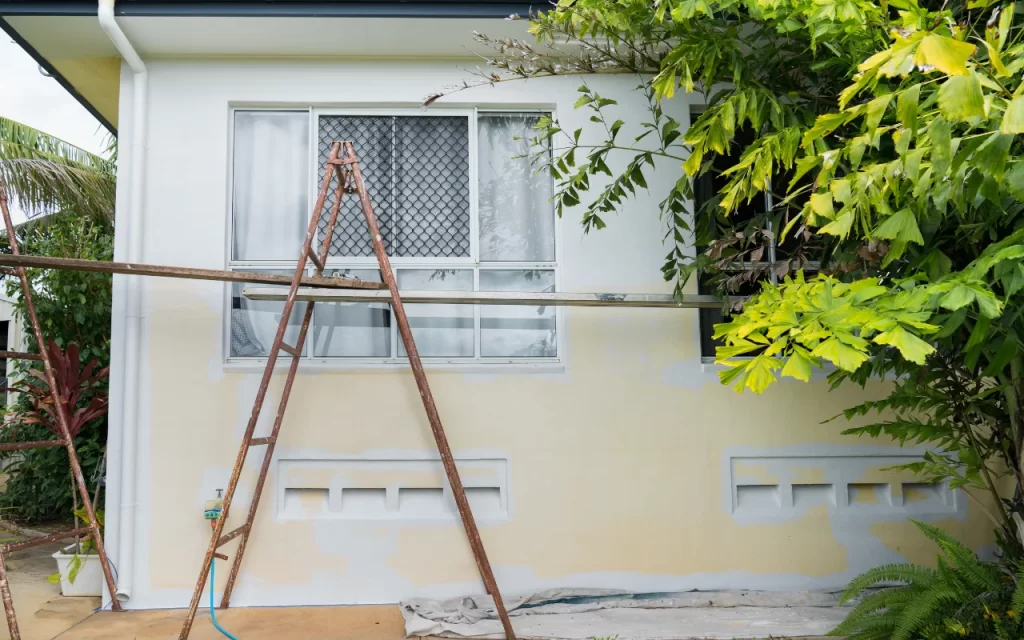
Painting a house in Brisbane is one of those projects that looks simple from the outside but quickly becomes more complex once you start getting quotes. One painter says one price, another gives something completely different, and suddenly you’re wondering what you’re actually paying for.
The truth is, there isn’t a fixed “one-size-fits-all” cost. Painting is more like getting a tailored suit than buying a shirt off the rack. The price depends on your home, the condition of the surfaces, the materials used, and even the timing of the job.
Let’s break it down in a simple, practical way so you can understand where your money goes and how to avoid overspending.
What Actually Drives the Cost of Painting a House
When painters give you a quote, they’re not just charging for paint and labour. Several factors are quietly shaping that final number.
The first and most obvious factor is house size. A small two-bedroom unit in Brisbane will naturally cost far less than a large double-storey home in the suburbs. More surface area means more paint, more hours, and more equipment.
But size is just the starting point.
The condition of your walls and surfaces plays a huge role too. Imagine two kitchens: one with freshly cleaned walls, and another with peeling paint, stains, and cracks. The second one needs scraping, sanding, patching, and sometimes even mould treatment before a brush touches the wall. That preparation work can take as long as painting itself.
Another factor is paint quality. Just like buying shoes, you can go budget or premium. Cheaper paint might look fine at first, but it often needs more coats and doesn’t last as long in Brisbane’s humid climate. High-quality paint costs more upfront but usually saves money over time because it lasts longer and resists fading.
Then there’s accessibility and design complexity. A simple, single-storey home with flat walls is quick to paint. But add high ceilings, staircases, ornate trims, or hard-to-reach exterior sections, and suddenly the job becomes more labour-intensive. Painters may need scaffolding or special equipment, which adds to the cost.
Even weather conditions in Brisbane can influence pricing. The city’s humidity and seasonal rain can slow down drying times, meaning jobs take longer to complete.
Hidden Costs People Don’t Think About
Most homeowners expect to pay for paint and labour, but there are several “hidden” costs that often surprise people.
One of the biggest is surface preparation. This includes sanding, filling cracks, removing old flaky paint, and cleaning walls. It’s not glamorous work, but it’s essential if you want a smooth, long-lasting finish. In many cases, prep work can account for a significant portion of the total cost.
Another often-overlooked cost is repairs. If your home has water damage, timber rot, or mould issues, these need to be fixed before painting begins. For example, a small bathroom leak might leave behind a patch of damaged plasterboard that must be replaced before repainting.
You may also encounter special finishes or coatings. For instance, exterior homes exposed to strong sun might require UV-resistant paint. Similarly, homes near the coast often need extra protection against salt air corrosion.
Then there are access costs, such as scaffolding or lifts for multi-storey homes. Think of it like hiring a ladder service for an office building window cleaner—the equipment is just as important as the job itself.
Even something as simple as colour changes can affect pricing. Going from a dark wall to a light colour usually requires extra coats of primer and paint to fully cover the old shade.
In short, painting isn’t just a surface-level job—it’s a layered process with multiple steps that all influence the final price.
How to Save Money Without Cutting Corners
Saving money on painting doesn’t mean going for the cheapest quote. In fact, that often leads to higher costs later if the work needs to be redone.
One of the smartest ways to save is to prepare your home in advance. If you can move furniture, clean walls, or clear outdoor spaces before the painters arrive, you reduce the amount of labour required. It’s similar to cleaning your house before a cleaner comes—it speeds everything up.
Another tip is to stick to similar colours. If you’re repainting your home in a similar shade, you’ll often need fewer coats. Changing from a deep navy blue to a soft white, for example, takes much more paint and time.
Timing also matters. Painters are often busier during certain seasons, especially in dry months when outdoor painting conditions are ideal. Booking during quieter periods can sometimes help you negotiate better pricing.
It’s also worth getting multiple detailed quotes. Not just final numbers, but breakdowns of labour, materials, and preparation work. This helps you compare fairly instead of just choosing the cheapest option.
Lastly, don’t underestimate the value of quality paint and skilled labour. It may seem counterintuitive when trying to save money, but a well-done paint job can last 7–10 years, while a poor one may need repainting in half that time.
Choosing the Right Professionals Makes a Big Difference
While DIY painting might seem like a way to cut costs, it often becomes more expensive when mistakes happen. Uneven coats, roller marks, or poor surface preparation can all lead to rework.
Professional painters bring experience that saves time and reduces waste. They know how different paints behave in Brisbane’s weather, how to prep surfaces properly, and how to avoid common mistakes.
Companies like Wilko Painting typically factor in all these elements—preparation, materials, labour, and durability—so homeowners get a more accurate picture of what they’re paying for. Instead of focusing only on the upfront price, they help ensure the final result lasts longer and looks better.
Think of it like hiring a mechanic for your car. You might be able to change the oil yourself, but when it comes to a full engine service, experience matters.
Final Thoughts
The cost of painting a house in Brisbane isn’t just about litres of paint or hours on a ladder. It’s a combination of preparation, materials, home condition, and craftsmanship.
If you understand what drives the price, you can make smarter decisions—whether that’s preparing your home properly, choosing the right paint, or timing your project strategically.
At the end of the day, a good paint job isn’t just about fresh colour on the walls. It’s about protecting your home, improving comfort, and adding long-term value. And when done right, it’s one of the most rewarding upgrades you can make.












Post Comment