Smaller Brands Are Getting 3D Product Visualization Without Hiring a 3D Studio
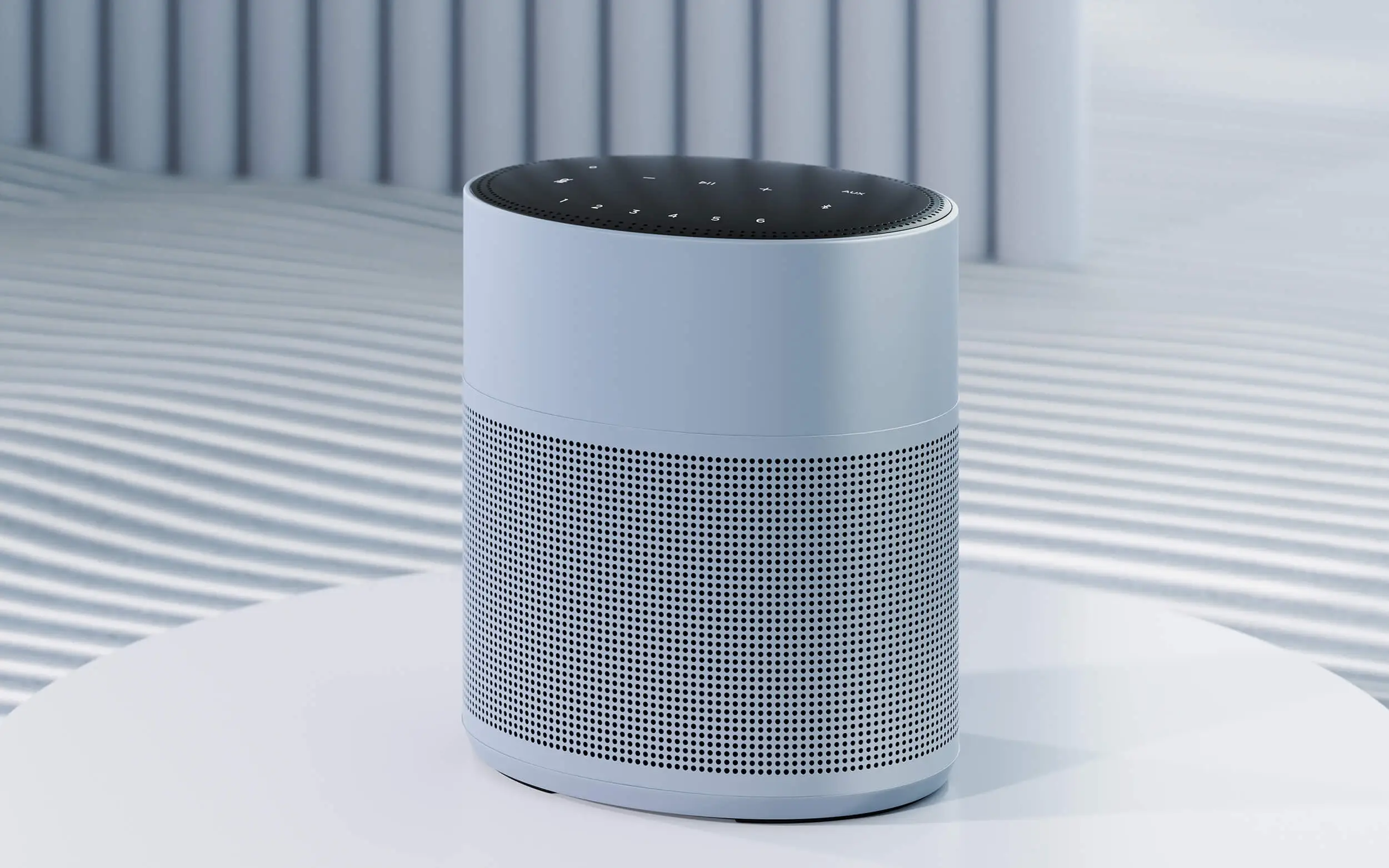
For most of the last decade, 3D product visualization on e-commerce sites was a feature you could either afford or you couldn’t. National retailers and DTC brands with serious funding hired 3D studios to model their catalogs. Everyone else made do with flat photography, the occasional 360-degree GIF, and the awareness that conversion rates on richer media were measurably better than on static images. The gap wasn’t subtle. It just wasn’t crossable for a small operation running its own catalog photography on a folding table in a warehouse.
That gap has narrowed in 2026, faster than most independent brands realize.
The 3D gap in independent commerce
The traditional cost of getting a single product into 3D form has been somewhere between $200 and $1,500, depending on complexity, with a turnaround time measured in days or weeks. For a brand with four hundred SKUs, that’s an unrecoverable investment. Even mid-sized brands tend to model only their hero products and accept flat imagery for the long tail.
The result, across most independent commerce sites, has been a visible quality split. The top ten products on the site look great. The other three hundred and ninety look like they were photographed by the founder’s cousin, which is often literally what happened.
What changes when product photos become rotatable
The current generation of AI image-to-3D tools has compressed both the cost and the timeline by roughly two orders of magnitude. A founder can now upload a product photo, receive a 3D model in under five minutes, and embed a rotatable preview on the product page that afternoon. The category that was previously available only to brands with five-figure modeling budgets is now available to brands with no modeling budget at all.
The effect on conversion is consistent with what the larger brands have been seeing for years. Product pages with rotatable 3D previews show meaningfully higher engagement than static-image pages — typically longer time on page, lower bounce rates, and modest lifts in add-to-cart and conversion rates. The size of the lift varies by category. Apparel sees less of it than furniture or home goods. Lighting sees more of it than supplements. The pattern, though, is consistent across every category that has been measured: shoppers who can rotate a product engage more, and those who engage more buy more often.
This is the context in which AI tools that turn product images into 3D assets, including platforms like 3D AI Studio, have started showing up in the workflows of brands that would never have hired a 3D studio. Upload a product photograph, choose a generation quality preset, download a GLB or USDZ file, paste an embed snippet into the product template. The whole process is closer to setting up a Mailchimp form than to commissioning a creative agency.
AR previews are no longer a luxury feature
The same 3D file that powers a rotatable on-site preview also powers AR. A customer browsing on a phone can now place a virtual version of the product into their actual room — sofa in the living room, lamp on the desk, planter on the porch — through the browser, without downloading an app. USDZ files render natively in iOS Safari. GLB files render in Android browsers via WebXR.
For categories where the question “how big is this actually” or “does this match my space” drives a meaningful share of returns, AR previews function as a return-rate intervention as much as a conversion intervention. Brands selling furniture, lighting, large home goods, and bulky kitchen equipment have reported return rates dropping by single-digit percentages after introducing AR previews. On a four hundred dollar product, a single-percentage-point return-rate improvement is real money.
The new economics of a category page
The downstream effect on how a small brand thinks about its catalog is interesting. When 3D was expensive, the catalog was photographed in tiers — hero products got the studio shoot, secondary products got a basic shoot, the rest got whatever the team could produce. When 3D is essentially free at the marginal cost level, that tiered approach starts to look like an unforced error. There’s no good reason to leave the 350th product in your catalog with worse media than the first ten if the cost of upgrading it is a five-minute upload and a few cents of compute.
Brands that have started running catalogs entirely in 3D — every product page rotatable, every product AR-previewable — are reporting a different kind of advantage. Their site simply feels more substantial than competitors at similar price points. That feeling, in commerce, often translates into trust, and trust into purchase.
Where this lands by the holiday season
The holiday cycle ahead will be the first one where a meaningful share of small and mid-sized brands have rolled out site-wide 3D and AR. The brands that are early into this shift are the ones running the experiment. Those further behind are the ones who’ll find themselves comparing conversion rates against competitors with richer media in the spring and wondering why the gap appeared.
For independent brands, the question is no longer whether 3D product visualization is worth pursuing. It’s how quickly a catalog can be migrated. The answer, given the current state of the tools, is faster than most teams expect.












Post Comment