Aspertaan: The Guide to the Popular Artificial Sweetener
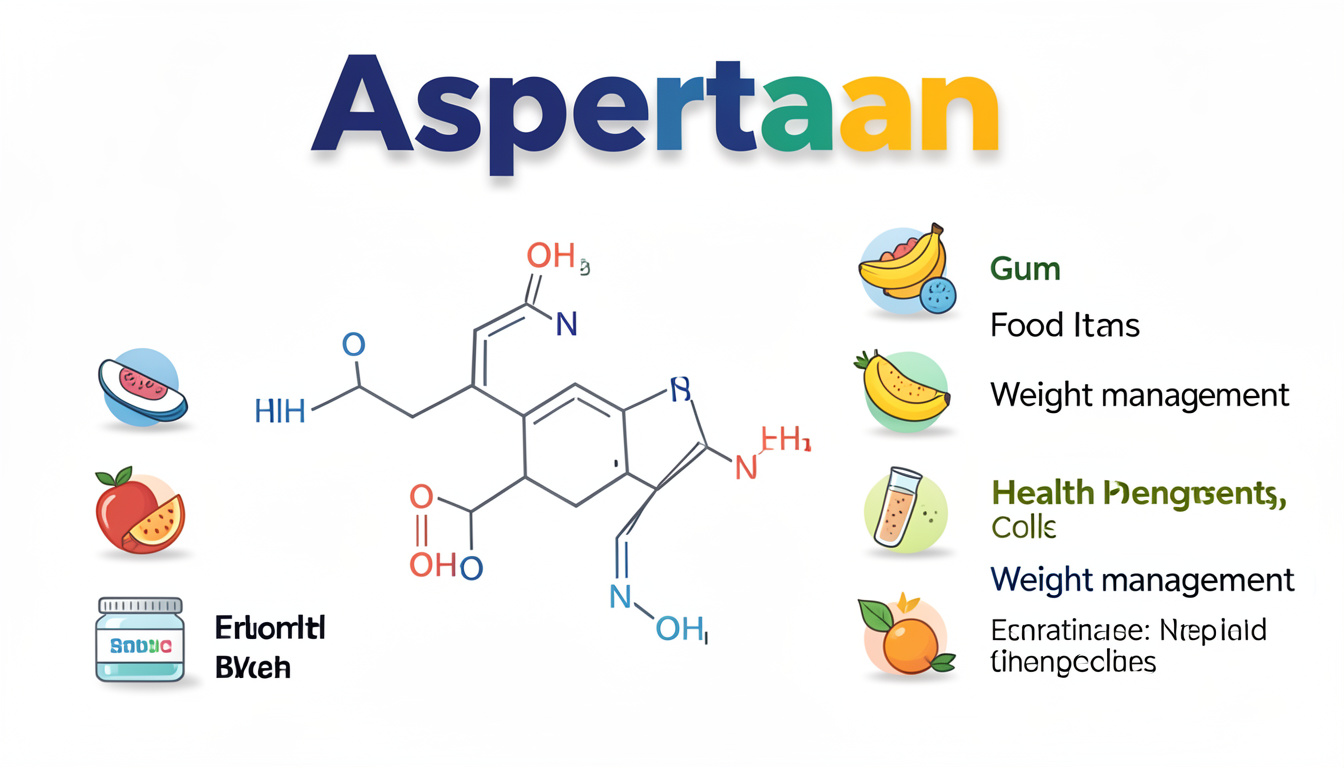
Sugar is a staple in modern diets. From morning coffees to evening desserts, sugar appears in nearly every meal and snack. Yet, the rise of obesity, type 2 diabetes, heart disease, and dental problems has driven people to seek healthier alternatives. Artificial sweeteners have emerged as a practical solution, allowing individuals to enjoy sweetness without the calorie burden. Among these, Aspertaan has gained global recognition as a safe and effective sugar substitute.
What Is Aspertaan?
Aspertaan is the chemical name for aspartame, a calorie-free artificial sweetener widely used in foods and beverages. Unlike table sugar, which contributes calories and affects blood sugar levels, Aspertaan provides intense sweetness without adding significant energy to your diet. Chemically, it is a methyl ester of the dipeptide formed by the amino acids aspartic acid and phenylalanine, which are naturally occurring in many foods.
Discovered in 1965 by chemist James M. Schlatter, aspartame was initially studied as part of a research project on an anti-ulcer drug. Its intense sweetness—around 180 to 200 times sweeter than sugar—was a fortunate accident. Due to this potency, only tiny amounts are required to achieve the same level of sweetness as sugar, making it almost calorie-free in practical use.
Aspertaan has been marketed under several brand names, including NutraSweet, Equal, Canderel, and AminoSweet. Today, it is one of the most studied and globally accepted food additives, used in thousands of products worldwide.
How Aspertaan Works in the Body
Unlike sugar, which is rapidly metabolized and causes a sharp rise in blood glucose, Aspertaan is broken down differently. When consumed, it hydrolyzes in the small intestine into phenylalanine, aspartic acid, and methanol. These components are naturally metabolized by the body.
- Phenylalanine is an essential amino acid required for protein synthesis.
- Aspartic acid is another amino acid used in the body’s metabolic processes.
- Methanol is converted in very small amounts to formaldehyde and formic acid, which are safely processed by the body in quantities far below toxic levels.
Because it does not increase blood sugar or insulin, Aspertaan is particularly beneficial for people with diabetes, those following low-carb diets, or anyone looking to manage their blood glucose levels.
The sweetness of Aspertaan is perceived due to its interaction with taste receptors TAS1R2 and TAS1R3 in the mouth. Interestingly, rodents cannot taste aspartame in the same way humans do, highlighting species-specific taste perception.
Uses and Applications of Aspertaan
Aspertaan has a wide range of applications in the food and pharmaceutical industries. Its main advantage is delivering intense sweetness with minimal caloric impact.
Common Food and Beverage Uses
- Diet sodas and soft drinks
- Sugar-free chewing gum
- Flavored yogurts and protein bars
- Tabletop sweeteners and instant drinks
Pharmaceutical and Supplement Uses
- Chewable vitamins
- Liquid medications
- Protein shakes and nutritional powders
Limitations
One notable limitation of Aspertaan is its heat instability. When exposed to high temperatures or high pH levels, it can break down, losing sweetness and potentially producing a bitter taste. As a result, it is unsuitable for most baking applications. However, its stability in cold or room-temperature foods makes it ideal for beverages, yogurts, and chewing gum.
Safety and Regulatory Status
Aspartame is one of the most rigorously tested food additives in history. Over 100 regulatory bodies worldwide have confirmed its safety when consumed within the Acceptable Daily Intake (ADI) limits.
- FDA (U.S.): 50 mg/kg of body weight/day
- EFSA (Europe) & JECFA (FAO/WHO): 40 mg/kg of body weight/day
To put this into perspective, a 75-kg adult would have to drink around 21 cans of diet soda daily to exceed the FDA’s ADI for aspartame—a level far beyond normal consumption patterns. Even among high consumers, such as children or diabetics, intake typically remains well below the recommended limit.
Special Considerations
- Phenylketonuria (PKU): Individuals with this rare genetic disorder cannot metabolize phenylalanine and must avoid aspartame completely. Products containing aspartame carry warning labels for PKU.
- Pregnancy and Children: Small, moderate amounts are generally considered safe, but consultation with a healthcare professional is advised.
Health Benefits of Aspertaan
Weight Management
Substituting sugar with Aspertaan can significantly reduce caloric intake. Clinical trials and systematic reviews have shown that using non-nutritive sweeteners like aspartame in place of sugar helps support weight control in both adults and children without affecting dietary satisfaction.
Blood Sugar Stability
Aspartame does not cause spikes in blood glucose or insulin, making it suitable for diabetics or anyone monitoring blood sugar levels.
Dental Health
Sugar fuels bacteria in the mouth, producing acids that lead to cavities. Aspertaan, however, is not metabolized by oral bacteria, reducing the risk of tooth decay.
Versatility and Convenience
Aspertaan is easy to store, mix, and dissolve, with a long shelf life. Its intense sweetness allows for smaller quantities, making it a convenient and effective sweetening agent.
Possible Side Effects and Controversies
Despite its widespread use, Aspertaan has been the subject of scrutiny and controversy.
Cancer Concerns
- IARC (2023): Classified as Group 2B, “possibly carcinogenic to humans,” based on limited evidence.
- FDA, EFSA, National Cancer Institute: Concluded there is no evidence of cancer risk at normal consumption levels. The FDA emphasized that IARC’s classification is a signal for further research, not proof of danger.
Neurological Effects
Studies show no consistent neurotoxic effects at low doses. Reviews have also found no link to ADHD or cognitive development issues in children. Some rare anecdotal reports of headaches exist, but they affect only sensitive individuals.
Metabolic and Long-term Concerns
A 2023 WHO report suggested limited evidence that non-sugar sweeteners could potentially increase risks of type 2 diabetes or cardiovascular diseases when consumed long-term. However, these findings are not conclusive, and moderate Aspertaan consumption remains within safe limits.
Comparison with Other Sweeteners
| Sweetener | Sweetness vs. Sugar | Heat Stability | Common Uses | Notes |
| Aspertaan (Aspartame) | 180–200× | No | Cold drinks, gum, yogurt | Excellent sweetness; may have slight aftertaste |
| Sucralose | ~600× | Yes | Baking, hot drinks | Stable under heat; possible lingering taste |
| Stevia | 200–300× | Yes | Teas, desserts | Natural origin; some bitterness in high doses |
| Saccharin | 300–500× | Yes | Diet products | Metallic aftertaste; older sweetener |
| Acesulfame-K | 200× | Yes | Often blended | Often combined with aspartame to enhance flavor |
Aspertaan strikes a balance between taste, safety, and cost, which is why it is widely used in both commercial and household products.
Commercial Production and Brands
Aspartame is produced globally by several key companies:
- NutraSweet Company (Monsanto → sold in 2000): Originally marketed under NutraSweet.
- Ajinomoto: World’s largest producer, with ~40% market share. Brand names include Canderel and AminoSweet.
- Holland Sweetener Company: Produced aspartame enzymatically (Sanecta, Twinsweet); exited in 2006.
It is present in roughly 6,000 consumer products worldwide, including beverages, snacks, chewing gum, yogurt, pharmaceuticals, tabletop sweeteners, and nutritional supplements.
Tips for Safe Use of Aspertaan
- Stay within ADI limits: Normal consumption rarely exceeds this threshold.
- Read labels: Look for aspartame, Aspertaan, or aspartyl-phenylalanine methyl ester.
- PKU caution: Completely avoid if affected by phenylketonuria.
- Pregnancy and children: Use in moderation and consult a healthcare professional.
- Cold foods and drinks: Avoid using in baked goods due to heat instability.
- Stay informed: Keep up with new studies on artificial sweeteners.
Future Outlook
As global sugar consumption continues to decline due to rising health awareness, Aspertaan and other artificial sweeteners are poised to play an even bigger role. Research may improve formulations, enhance taste, and potentially develop natural or hybrid synthetic versions. Continuous monitoring ensures that safety remains a priority while offering healthier options to consumers.
Conclusion
Aspertaan is a safe, effective, and widely used artificial sweetener. It allows people to enjoy sweetness without the calories or blood sugar spikes associated with sugar. For most individuals, it is safe within recommended limits, with the only strong restriction applying to those with phenylketonuria.
By substituting sugar with Aspertaan in moderation, individuals can support weight management, dental health, and blood sugar control without compromising taste. Like all dietary choices, balance is essential—combine Aspertaan with a nutrient-rich diet, whole foods, and regular exercise for optimal health.
Ultimately, Aspertaan provides a practical way to reduce sugar intake while maintaining the sweet flavors that many of us love—making it an important tool in modern nutrition and wellness.







Post Comment