Calamariere: Culinary Identity, Culture, and Cuisine of Squid-Based Expertise
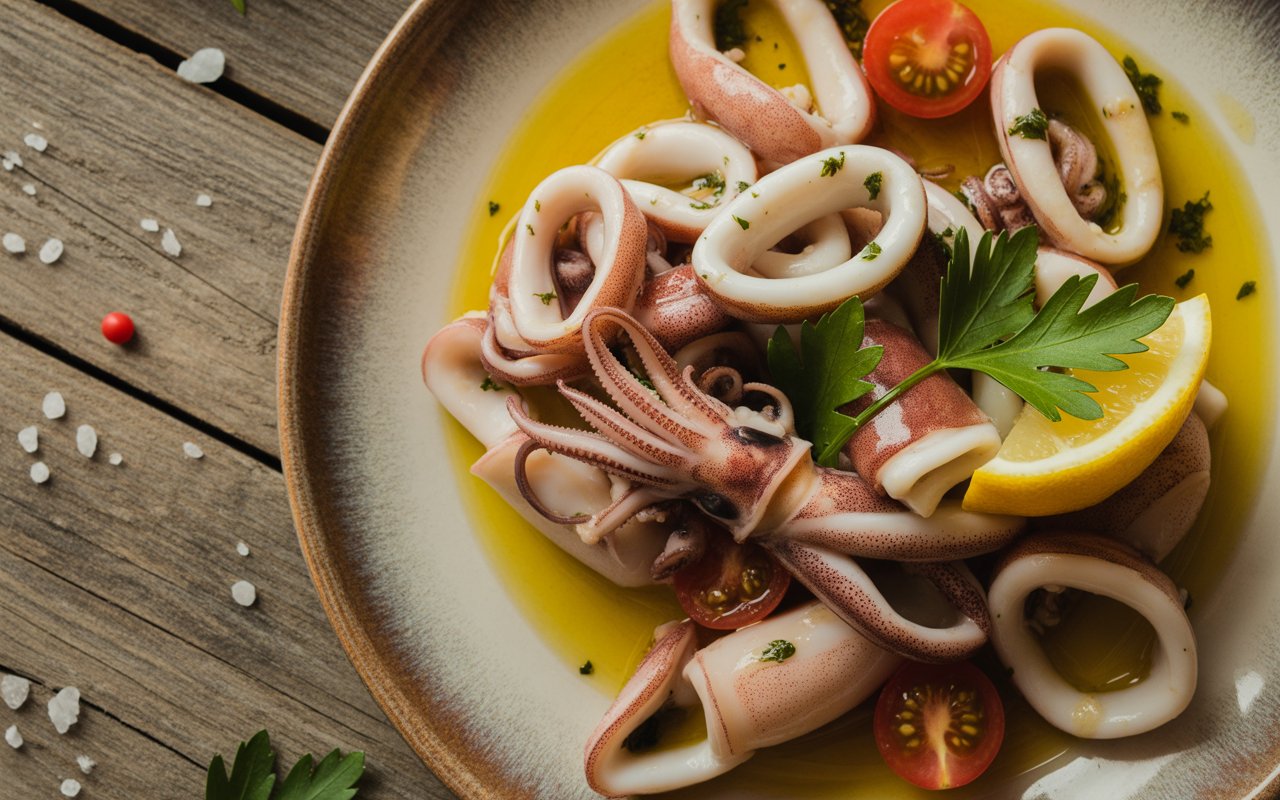
Understanding calamariere requires a journey into its linguistic roots, historical context, and cultural significance. It is not just about the flavors of squid or Mediterranean dishes; it is about the philosophy, skill, and dedication of those who master these culinary arts. This article explores it from multiple perspectives—its origins, linguistic meaning, culinary applications, modern adaptations, and relevance in global food culture—offering a detailed guide for chefs, food enthusiasts, writers, and curious readers alike.
Understanding the Term Calamariere
At its core, it is not a single recipe or dish. Unlike fried calamari, grilled squid, or stuffed seafood plates, it represents a culinary identity. It conveys expertise in handling, preparing, and serving squid-based dishes. Chefs, culinary writers, and enthusiasts who engage with it are not merely cooking; they are celebrating a relationship with the ingredient, reflecting knowledge, skill, and tradition.
In modern food culture, the term functions as a symbolic expression. It represents precision, creativity, and an intimate understanding of seafood cuisine. In essence, calamariere is less about a tangible dish and more about the craftsmanship and philosophy behind it.
Linguistic Roots
The structure of the word gives clues to its deeper meaning. The root, “calamari,” is universally recognized as squid, a staple ingredient in Mediterranean and global seafood cuisine. Over centuries, calamari has come to symbolize not just a food item but a culinary tradition associated with coastal cultures, fresh ingredients, and balanced flavors.
The suffix “-ere” (common in Italian and other European languages) often denotes a person, role, or artisan connected to a particular craft. This linguistic pattern transforms it from an object into an identity. It suggests someone specialized in working with squid—a craftsman, an expert, or a connoisseur.
Thus, linguistically, it is a word that bridges ingredient and expertise, giving a name to a concept that previously lacked formal expression. It’s a term born of necessity, filling a gap in culinary language where the traditional lexicon could not fully describe mastery over squid-based cuisine.
Cultural Significance of Calamariere
It carries cultural weight because it symbolizes respect for tradition and culinary heritage. In Mediterranean societies, where seafood has been central to diet and culture for centuries, mastery of squid preparation is both practical and symbolic. Chefs who specialize in squid are preserving a connection to coastal communities, regional recipes, and family traditions passed down over generations.
Moreover, calamariere embodies the broader philosophy of food as culture. It emphasizes care, skill, and thoughtful preparation, aligning with modern values of sustainability, authenticity, and artisanal craft. In this sense, the term transcends the kitchen and enters cultural discourse, representing a lifestyle of respect for ingredients, knowledge of flavors, and pride in technique.
Historical Context and Culinary Origins of Calamariere
Mediterranean Influence
The culinary origins of it are deeply tied to Mediterranean traditions. Coastal Italian and Spanish communities have long relied on squid as a staple ingredient, preparing it in ways that highlight its delicate texture and natural flavor. Fresh seafood was abundant, and ingenuity in cooking led to a variety of dishes—grilled, fried, stewed, or stuffed.
Squid became a cultural symbol in these regions, not just a food source. It represented connection to the sea, seasonal rhythms, and communal dining. Families and local restaurants perfected methods of preparation that would eventually evolve into regional specialties, often influenced by local herbs, spices, and olive oils.
Evolution of Squid-Based Cuisine of Calamariere
Early preparations of squid were simple, reflecting limited tools and ingredients. Fishermen would grill or boil squid to bring out natural flavors. With trade and cultural exchange, more complex recipes emerged—stuffed squid with aromatic herbs, tomato-based sauces, and fried variations for festive occasions.
In the 19th century, cookbooks across Italy began to feature squid dishes, standardizing some techniques while leaving room for creative interpretation. Families often developed signature recipes, contributing to the diversity of preparation styles we see today.
Over time, squid cooking became a marker of skill. The ability to prepare tender, flavorful squid without overcooking it became a hallmark of a chef’s expertise—a skill now captured in the term calamariere.
From Dish to Concept
While the culinary roots remain tangible in recipes, it has grown into a conceptual term. This evolution mirrors broader changes in food culture, where identity, storytelling, and expertise are increasingly valued alongside taste. It represents the bridge between historical culinary practice and modern gastronomic philosophy, honoring heritage while embracing creativity.
Calamariere in Modern Culinary Writing
Identity-Driven Language
Modern gastronomy increasingly emphasizes identity over mere ingredients. Readers and consumers want to understand the philosophy behind the food: the chef’s background, the sourcing of ingredients, and the cultural traditions influencing a dish. In this context, terms like it are powerful tools. They allow writers to communicate expertise and narrative in a single word.
Rather than explaining every step, writers can convey depth by describing someone as a calamariere—someone who embodies specialization, craftsmanship, and cultural awareness in squid cuisine.
Presence in Food Media
It appears in long-form essays, niche food blogs, culinary journals, and creative gastronomy writing. Its usage is not widespread in mainstream media, which enhances its allure in specialized circles. Readers encountering the term experience a sense of sophistication, which reinforces the idea that food is not only about taste but about story, mastery, and identity.
The term has become especially appealing in contexts emphasizing originality and craftsmanship. By introducing readers to unfamiliar but meaningful language, writers can spark curiosity and engagement, enhancing the cultural and educational value of their content.
Examples of Conceptual Usage
While calamariere may not yet appear in standard dictionaries, it is increasingly used in:
- Describing chefs who specialize in squid dishes.
- Highlighting seafood-focused culinary workshops.
- Niche branding for restaurants or artisanal seafood products.
Such usage demonstrates that culinary terms can gain legitimacy through community adoption and cultural resonance, even without formal recognition.
Culinary Techniques and Recipes
Though it is primarily a conceptual term, it still has tangible culinary roots. Understanding traditional preparation methods helps illuminate why expertise matters.
Essential Ingredients
- Squid: Fresh, firm, shiny squid is key.
- Herbs and Aromatics: Garlic, parsley, and lemon zest.
- Spices: Paprika, chili flakes for optional heat.
- Batter Ingredients: Flour, salt, pepper, sometimes sparkling water for fried preparations.
- Cooking Tools: Sharp knife, deep pan or fryer, tongs, paper towels for draining.
Traditional Preparation Methods of Calamariere
- Cleaning: Remove innards and skin carefully to maintain tenderness.
- Marination: Use herbs, spices, and lemon juice to enhance flavor.
- Cooking: Options include:
- Frying for a crispy exterior.
- Grilling for smoky depth.
- Slow cooking in tomato-based sauces for umami richness.
- Frying for a crispy exterior.
- Serving: Often with fresh lemon wedges, herbs, or paired with pasta or vegetables.
Modern Twists and Variations
- Spicy Calamariere: Add chili flakes or smoked paprika for a contemporary kick.
- Vegetarian Adaptations: Use mushrooms or roasted eggplant to mimic texture and flavor.
- Pasta Pairings: Toss fried or grilled calamari with linguine, garlic, and olive oil.
- Diet-Friendly Options: Use zucchini noodles or lighter cooking methods.
Tips for Perfect Execution
- Choose fresh squid for optimal taste and texture.
- Avoid overcooking; squid becomes rubbery quickly.
- Properly season with herbs and spices to elevate flavor.
- Pay attention to presentation—calamariere is as visual as it is culinary.
Branding and Gastronomic Concept of Calamariere
Branding Tool
In niche culinary branding, the term is valuable because it:
- Suggests expertise without being overly technical.
- Evokes authenticity and artisanal care.
- Appeals to consumers seeking specialized, premium culinary experiences.
Restaurants, seafood brands, and culinary projects use it to communicate identity, philosophy, and quality, rather than advertising a single dish.
Global Influence and Cultural Blending
The term reflects a fusion of:
- Italian and Mediterranean culinary heritage.
- Modern English and global branding practices.
- Digital storytelling trends, where evocative language spreads rapidly.
Calamariere resonates internationally because it combines tradition with contemporary creativity, appealing to both culinary professionals and enthusiasts worldwide.
Digital Storytelling
- Food bloggers and social media creators can use the term to elevate narratives.
- It creates intrigue, encourages engagement, and highlights culinary mastery.
- Unlike generic descriptors, it conveys years of experience and specialization in one word.
Cultural and Modern Relevance of Calamariere
Why the Term Resonates
- Represents depth, authenticity, and expertise.
- Aligns with broader trends valuing craftsmanship over generalization.
- Appeals to audiences who care about sustainability, tradition, and storytelling.
Shift from Recipe-Centric Language
Calamariere exemplifies the transition from listing ingredients to conveying philosophy. Modern gastronomy increasingly emphasizes the who and why behind a dish, not just the how. This makes identity-driven terms essential in contemporary food discourse.
Connection to Food Culture Evolution
- Culinary language evolves alongside culture.
- Terms like it highlight how globalization, media, and creativity shape expression.
- Reflects a growing appreciation for artistry, heritage, and narrative in gastronomy.
Practical Applications
For Chefs and Restaurants
- Use the term in menus, marketing, and storytelling to denote expertise.
- Emphasize craft, authenticity, and heritage in branding.
Writers and Food Enthusiasts
- Incorporate the term to enhance articles, essays, and blogs.
- Demonstrates familiarity with niche culinary language and culture.
Home Cooks
- Understanding calamariere inspires experimentation with squid recipes.
- Encourages appreciation of traditional techniques and modern adaptations.
Calamariere Overview
| Aspect | Description | Example / Use |
| Linguistic Root | Derived from “calamari” + artisan suffix | Culinary writing, chef identity |
| Historical Context | Mediterranean coastal traditions | Italy, Spain |
| Culinary Techniques | Frying, grilling, sauces | Modern recipes & twists |
| Modern Branding | Identity-driven, niche concepts | Restaurants, blogs |
| Cultural Relevance | Expertise, craft, storytelling | Food media, digital culture |
Conclusion
It is more than a dish; it is a celebration of culinary identity, heritage, and craftsmanship. Rooted in Mediterranean squid-based cuisine, it has evolved into a term that reflects expertise, artistry, and cultural storytelling. Whether used in modern gastronomic writing, niche branding, or culinary discussions, calamariere embodies the intersection of tradition and innovation.
Although not officially recognized in dictionaries, its meaning is clear through usage, context, and cultural resonance. It highlights a broader movement in food culture, where mastery, identity, and narrative are just as important as taste.
By understanding it, chefs, writers, and enthusiasts alike can appreciate the depth behind squid-based cuisine, explore creative culinary expressions, and honor the traditions that have shaped Mediterranean gastronomy for generations.
FAQs
Is it a traditional dish?
No, it represents a culinary identity or concept, not a specific recipe.
Is the term officially recognized in dictionaries?
Currently, no. It is primarily used in niche food writing, culinary branding, and cultural discourse.
What does the term mainly represent?
It conveys expertise, specialization, and a refined relationship with squid-based cuisine.
Where is this term commonly used?
Modern food writing, gourmet branding, gastronomic blogs, and cultural discussions.
Can it be used for branding purposes?
Yes, especially for restaurants, seafood brands, and niche culinary experiences focusing on expertise and heritage.







Post Comment