Colored Diamonds vs. White Diamonds: Understanding Rarity, Value, and Visual Appeal
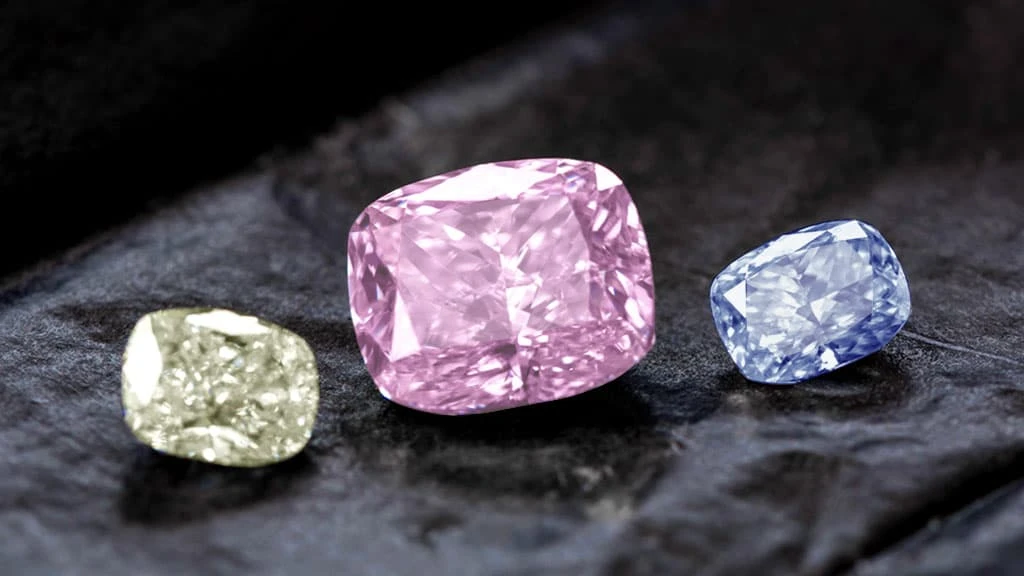
Diamonds are often associated with a classic image of clear brilliance, yet the world of diamonds extends far beyond colorless stones. Colored diamonds, sometimes referred to as “fancy color diamonds,” introduce a different dimension to diamond selection. Their unique hues, ranging from soft champagne tones to vivid blues and pinks, challenge traditional expectations and invite buyers to consider beauty in a broader sense.
For those exploring fine jewelry or engagement rings, understanding the distinction between colored and white diamonds is essential. The differences go beyond appearance, touching on rarity, pricing, and how each type of diamond is evaluated within the industry. A deeper look into these factors reveals why certain diamonds are prized not only for their clarity but also for their color.
What Creates Color in Diamonds
The presence of color in a diamond is the result of trace elements or structural irregularities formed during its creation. For example, nitrogen can produce yellow hues, while boron is responsible for blue diamonds. In some cases, intense pressure can alter the crystal structure, resulting in pink or red tones.
White diamonds, by contrast, are valued for their lack of color. The grading scale for these stones measures how close a diamond is to being completely colorless. This absence of color allows for maximum light reflection, creating the bright sparkle that many buyers associate with traditional diamonds.
Natural vs. Enhanced Color
It is important to distinguish between naturally colored diamonds and those that have been treated to enhance color. Natural fancy color diamonds are significantly rarer and often command higher prices. Treated diamonds can offer a similar visual effect at a more accessible price point, though their value differs within the market.
Rarity and Market Perception
Rarity plays a central role in how diamonds are valued. While white diamonds are widely available across a range of grades, naturally colored diamonds are far less common. Certain colors, such as vivid pink or blue, are exceptionally rare and highly sought after.
This rarity contributes to the perception of colored diamonds as collector’s items. Their uniqueness often appeals to buyers looking for something distinctive, whether for personal expression or long-term significance. A deeper exploration of this rarity is discussed in this analysis of colored diamond scarcity, which highlights the factors that set them apart from traditional stones.
How Value Is Determined
While the four Cs—cut, color, clarity, and carat weight—apply to all diamonds, the way they are prioritized differs between white and colored stones. In white diamonds, colorless grades are considered the most valuable. In colored diamonds, however, the intensity and purity of color become the primary focus.
A vividly colored diamond with strong saturation can be more valuable than a larger stone with weaker color. This shift in emphasis changes how buyers evaluate quality, requiring a different approach than the one used for traditional diamonds.
The Role of Cut in Colored Diamonds
Cut remains important, but its purpose differs slightly. In colored diamonds, the cut is often designed to enhance the depth and richness of color rather than maximize brilliance. This balance between color and light performance is a key consideration for gemologists and jewelers.
Modern Preferences and Changing Trends
Consumer preferences continue to evolve, influenced by both cultural shifts and generational values. Younger buyers are increasingly open to alternatives that reflect individuality and personal meaning. This trend extends to both colored and lab-grown diamonds, which offer new possibilities in design and expression.
Insights into these changing preferences can be found in this exploration of lab-grown diamond trends among younger buyers, which highlights how modern consumers are redefining traditional notions of value and luxury.
Choosing Between Colored and White Diamonds
The choice between colored and white diamonds often comes down to personal style and intention. White diamonds remain the classic choice for engagement rings, valued for their timeless appeal and versatility. Their neutral appearance allows them to complement a wide range of settings and designs.
Colored diamonds, on the other hand, offer a more distinctive option. Their hues can convey individuality and create a focal point within a piece of jewelry. For some buyers, this uniqueness is a defining factor, making colored diamonds an appealing alternative to traditional selections.
Design and Setting Considerations
The setting plays a significant role in how a diamond’s color is perceived. White metals such as platinum can enhance the brightness of colorless diamonds, while yellow or rose gold can complement the tones of colored stones. Careful design choices ensure that the diamond’s characteristics are highlighted effectively.
The Importance of Expert Guidance
Navigating the differences between colored and white diamonds requires a nuanced understanding of both technical and aesthetic factors. Subtle variations in color intensity, clarity, and cut can significantly influence a diamond’s overall appearance and value.
Working with experienced professionals helps ensure that these details are carefully considered. Specialists such as Leon Diamond Jewelers often provide insight into how different diamonds perform under various lighting conditions and how they align with a buyer’s preferences.
A Broader Perspective on Diamond Beauty
The distinction between colored and white diamonds reflects a broader shift in how beauty is defined within fine jewelry. Rather than adhering to a single standard, buyers now have the opportunity to explore a spectrum of options that align with their individual tastes.
This expanded perspective allows diamonds to be appreciated not only for their brilliance but also for their diversity. Each stone, whether colorless or vividly hued, offers a unique combination of characteristics that contribute to its appeal.
A Thoughtful Approach to Selection
Choosing a diamond involves balancing technical knowledge with personal expression. Understanding how color, rarity, and design interact provides a foundation for making informed decisions. At the same time, personal preference remains a guiding factor, shaping the final choice.
A well-chosen diamond reflects both the qualities of the stone and the intention behind its selection. Whether drawn to the classic elegance of a white diamond or the distinctive character of a colored stone, the decision becomes a meaningful reflection of individual style and appreciation for craftsmanship.













Post Comment