Drug Crimes Lawyer Protecting Your Rights Through Skilled Legal Defense
Understanding the Role of a Drug Crimes Lawyer
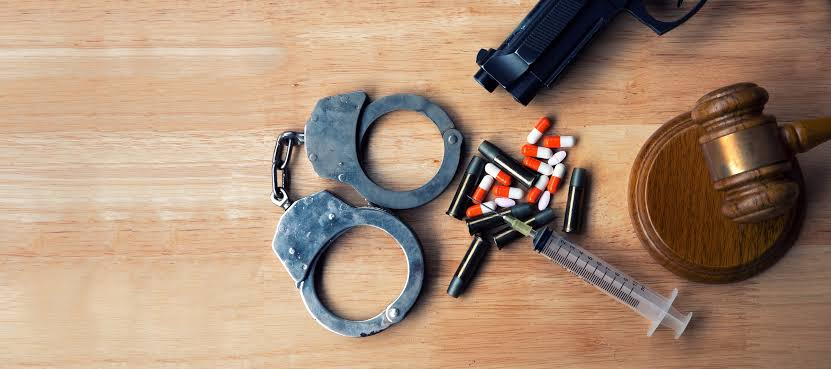
A drug crimes lawyer is a legal professional who specializes in defending individuals accused of offenses involving controlled substances. Drug-related charges can range from simple possession to manufacturing, trafficking, and distribution. These cases often involve complex legal procedures, detailed investigations, and strict penalties that can significantly impact a person’s future. Hiring an experienced drug crimes lawyer ensures that the accused has someone who understands criminal law. Constitutional rights, and courtroom procedures. Their primary goal is to protect clients from unfair treatment while building the strongest possible defense based on the facts of the case.
Drug crime cases often involve evidence gathered through traffic stops, searches, surveillance, or undercover operations. A skilled attorney carefully reviews every detail to determine whether law enforcement followed proper legal procedures. If officers violated constitutional rights during the investigation, the lawyer may request that illegally obtained evidence be excluded from court. This can dramatically strengthen the defense and, in some situations, even result in reduced charges or case dismissal. Beyond legal strategy, a drug crimes lawyer also provides valuable guidance, helping clients understand each stage of the legal process. While preparing them for hearings, negotiations, and possible trial proceedings.
Common Types of Drug Crime Charges
Drug crime laws vary by jurisdiction, but several offenses appear frequently in criminal courts. Possession of controlled substances is among the most common charges and may involve illegal drugs or prescription medications without authorization. Depending on the amount and the surrounding circumstances, prosecutors may classify the offense as either a misdemeanor or a felony. Charges involving possession with intent to distribute are generally considered more serious because authorities believe the drugs were intended for sale rather than personal use. Additional offenses include drug trafficking, manufacturing illegal substances, cultivation, transportation, and conspiracy related to drug activities.
Each type of charge carries different legal consequences, including imprisonment, substantial fines, probation, mandatory rehabilitation programs, community service, or long-term criminal records. Prosecutors often rely on physical evidence, witness testimony, electronic communications, financial records, and forensic analysis to support their claims. However, evidence alone does not guarantee a conviction. A knowledgeable Drug crimes lawyer queens evaluates the reliability of every piece of evidence. Questions investigative methods, and challenges weak or inconsistent testimony. They may also negotiate plea agreements when appropriate, helping clients avoid harsher penalties while protecting their long-term interests whenever possible.
Effective Defense Strategies in Drug Crime Cases
Every criminal case is unique, requiring defense strategies tailored to the specific facts and evidence involved. One of the most common legal defenses focuses on unlawful search and seizure. The law generally requires officers to obtain a valid warrant or establish a recognized legal exception before searching private property. If this requirement was ignored, the defense may argue that the evidence should not be admitted in court. Lawyers also investigate whether the accused knowingly possessed the alleged controlled substance, as proving ownership or control is often essential to the prosecution’s case.
Another important strategy involves challenging the credibility of witnesses or questioning laboratory testing procedures used to identify alleged drugs. Mistakes in evidence collection, improper storage, contamination, or inaccurate forensic analysis can all affect the reliability of the prosecution’s case. Attorneys may consult independent experts to review scientific findings or reconstruct investigative events. In some situations, mistaken identity, lack of intent, or entrapment may also become important legal arguments. By carefully analyzing every aspect of the case, a skilled drug crimes lawyer seeks opportunities to reduce charges, negotiate favorable outcomes, or secure an acquittal through persuasive legal advocacy.
Why Choosing the Right Drug Crimes Lawyer Matters
Selecting the right legal representation can significantly influence the outcome of a criminal case. An experienced drug crimes lawyer understands both state and federal drug laws and knows how prosecutors typically approach these cases. Their courtroom experience allows them to anticipate legal challenges, prepare persuasive arguments, and communicate effectively with judges and juries. Strong legal representation begins with a thorough case evaluation. During which the lawyer gathers documents, interviews witnesses, reviews police reports, and identifies potential weaknesses in the prosecution’s evidence.
Good communication is another essential quality when choosing legal counsel. Clients should feel comfortable discussing sensitive details while receiving honest explanations about potential outcomes and available legal options. An attorney who remains responsive throughout the case helps reduce uncertainty during what is often a stressful experience. Reputation, professional ethics, negotiation skills, and trial experience should all be considered before hiring a lawyer. While no attorney can guarantee a specific result, selecting someone with substantial experience handling drug crime cases provides valuable confidence and increases the likelihood of achieving the most favorable legal resolution available under the circumstances.
Protecting Your Future After a Drug Crime Accusation
Being accuse of a drug-related offense can affect nearly every aspect of a person’s life beyon the courtroom. Criminal convictions may influence employment opportunities, educational goals, housing applications, professional licenses, immigration matters, and personal relationships. Even individuals who have not yet been convicted may experience emotional stress and uncertainty throughout the legal process. For these reasons, obtaining legal assistance as early as possible is often one of the most important decisions a person can make. Early legal intervention allows attorneys to preserve evidence, advise clients during questioning, and begin developing an effective defense strategy before the case progresses further.
A dedicated drug crimes lawyer not only focuses on defending clients in court but also works to minimize the lasting consequences of criminal allegations. Depending on the circumstances, legal counsel may pursue reduced charges, alternative sentencing options, diversion programs, rehabilitation-focused resolutions, or record-clearing opportunities where permitted by law. Every case deserves careful attention, strategic planning, and professional advocacy tailored to the individual’s situation. By understanding the legal process, exercising constitutional rights, and working closely with qualified legal representation, individuals facing drug crime allegations can navigate the justice system more effectively while protecting their future, reputation, and opportunities for a fresh start.














Post Comment