Sagės: Symbols of Style, Tradition, and Individuality
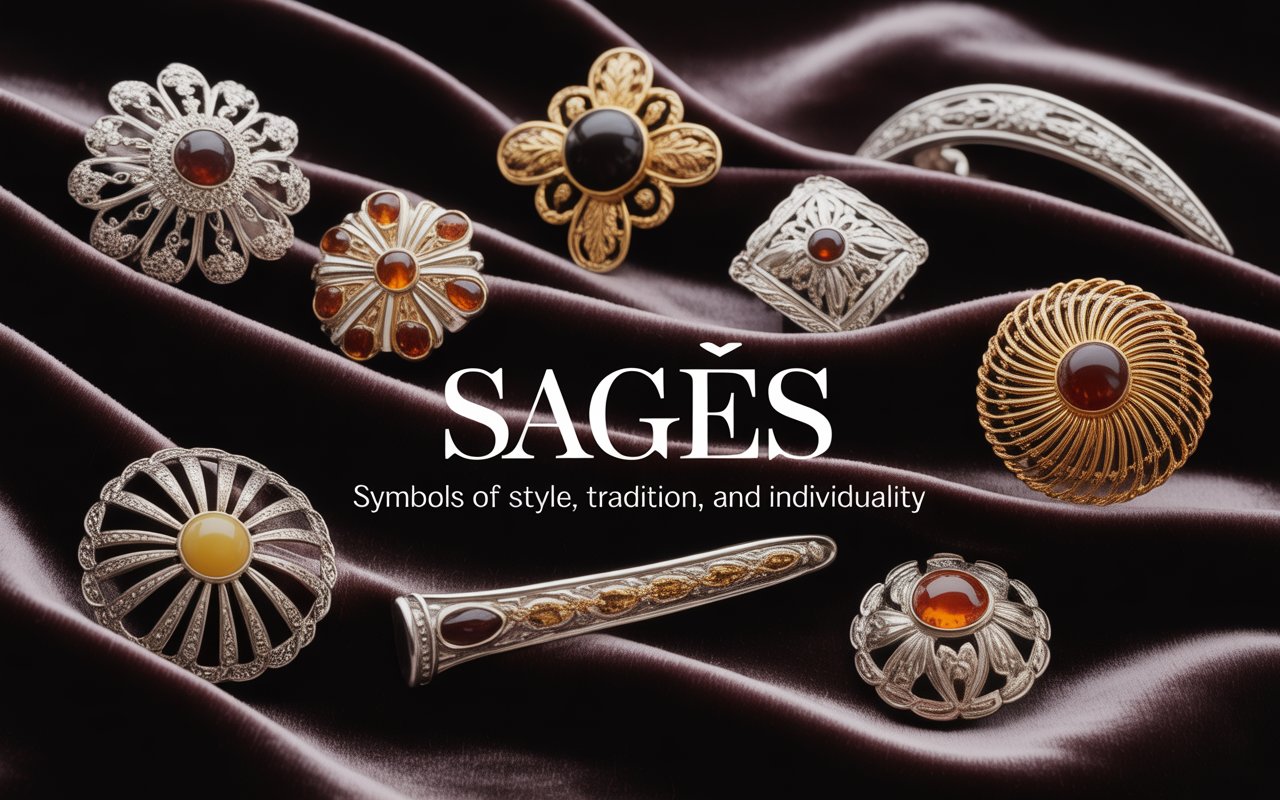
Sagės have always been more than a mere decoration. These exquisite brooches carry stories, heritage, emotions, and identity across generations. Among the many accessories that have traversed centuries of fashion, it holds a uniquely significant place. Delicate yet powerful, simple yet expressive, they are more than brooches—they are symbols of style, tradition, and individuality.
From ancient garments to modern fashion runways, sagės have evolved while maintaining their charm.
What Are Sagės?
They are decorative brooches traditionally worn on clothing to fasten garments or enhance an outfit. While contemporary, they are primarily ornamental, their historical function was both practical and symbolic.
The word “sagės” is closely associated with Baltic culture, particularly Lithuania, where these brooches have been worn for centuries as part of national costumes and ceremonial attire. Over time, they transcended cultural boundaries, entering the global fashion scene as highly versatile decorative pieces.
They vary in size and style: some are small and subtle, while others are bold and dramatic. Materials can range from precious metals and gemstones to wood, ceramic, glass, or textile. Regardless of composition, they add personality, elegance, and narrative to clothing.
A Journey Through the History of Sagės
Ancient Civilizations
The story begins thousands of years ago. Ancient societies required functional solutions to secure clothing, as buttons and zippers were nonexistent. Brooch-like pins served this practical purpose, evolving gradually into ornate decorations.
- Bronze and Iron Ages: In Europe, fibulae—early forms of sagės—were crafted from bronze, iron, or occasionally precious metals. These brooches often featured spirals, animal motifs, and engraved patterns, signifying tribe affiliation, wealth, or social status.
- Nordic and Mediterranean Influences: Large, decorative brooches secured heavy cloaks in Nordic countries, while Mediterranean cultures preferred lighter designs suited to flowing garments.
- Symbolism and Artistry: Beyond functionality, early sagės communicated identity, spiritual beliefs, and artistic skill.
Medieval Period of Sagės
During medieval times, they became symbols of wealth, power, and religious devotion. Nobles and royalty adorned themselves with elaborate brooches featuring gemstones, coats of arms, and sacred motifs.
- Heirloom Significance: Brooches were often passed down through generations, becoming cherished family artifacts.
- Ceremonial Role: They marked important life events such as weddings, alliances, and rites of passage.
- Artistic Craftsmanship: Metalwork, engraving, and gemstone inlays highlighted the artisan’s skill, elevating the brooch from a functional item to wearable art.
Renaissance and Victorian Era
The Renaissance period saw a revolution in metalworking techniques, allowing for more detailed and intricate designs. Sagės began incorporating filigree, enamel, and elaborate gemstone arrangements.
During the Victorian era, brooches often conveyed emotion and sentimentality:
- Romantic Motifs: Flowers, hearts, and bows became prevalent.
- Mourning Brooches: Contained miniature portraits, locks of hair, or inscriptions, serving as personal and emotional keepsakes.
- Social Indicators: they reflected social standing, personal taste, and wealth, solidifying their cultural importance.
Art Nouveau and Art Deco
In the Art Nouveau movement, they embraced organic forms inspired by nature. Flowing lines, floral patterns, and depictions of women in ethereal poses characterized this era.
The Art Deco period introduced bold, geometric designs, contrasting colors, and innovative materials. Brooches reflected modernity, progress, and the evolving aesthetic sensibilities of the time.
Cultural Significance of Sagės
Sagės are deeply rooted in Baltic traditions, particularly in Lithuania, where they remain integral to ceremonial dress and cultural identity.
Baltic Traditions
In traditional Lithuanian attire, brooches were used to secure shawls, vests, and cloaks. They often featured:
- Sun motifs: Representing life, energy, and vitality
- Floral patterns: Symbolizing growth, harmony, and beauty
- Geometric shapes: Reflecting spirituality and ancestral lineage
- Protective symbols: Believed to ward off evil and attract good fortune
These motifs were not merely decorative; they carried deep meaning and cultural significance. Sagės connected wearers to their heritage, ancestors, and community traditions.
Global Perspectives of Sagės
Brooches have played significant roles in many cultures:
- Scottish Clans: Brooches fastened tartans, often displaying clan symbols
- Nordic Regions: Ornate pins held cloaks and garments together
- Mediterranean Societies: Lightweight decorative pins complemented flowing attire
Across regions, brooches expressed identity, social status, and craftsmanship, illustrating their universal appeal.
Symbolism and Sentiment
They have long carried symbolic meanings:
- Protection: Amuletic designs warded off evil spirits
- Status and Wealth: Precious materials and intricate designs signaled social standing
- Personal Expression: Shapes and motifs communicated values, beliefs, or allegiances
- Gifting Traditions: Brooches were exchanged to commemorate important life events
Types and Styles of Sagės
They have evolved into various styles, each suited to different tastes, occasions, and statements.
Traditional Sagės
Traditional sagės are inspired by historical designs and often crafted from silver, bronze, or gold. These brooches feature intricate patterns, filigree work, or symbolic engravings passed down through generations. They are closely tied to cultural and ceremonial uses, reflecting heritage, craftsmanship, and social significance. Wearing a traditional sagė connects the wearer to history and adds a sense of timeless elegance to any outfit.
Modern Minimalist Sagės
Modern minimalists embrace simplicity and sleek design. They often feature clean lines, geometric shapes, and subtle metallic finishes, making them versatile for everyday wear. Unlike ornate traditional pieces, minimalist pieces focus on understated elegance and modern aesthetics. They are perfect for individuals who prefer subtle accessories that complement an outfit without overpowering it.
Statement
Statement they are bold and eye-catching accessories designed to stand out. They may incorporate bright gemstones, large sizes, abstract forms, or artistic motifs. These brooches transform simple garments into focal points, allowing the wearer to express personality and confidence. Statement sagės are ideal for formal occasions, parties, or fashion-forward ensembles where making an impression is key.
Handmade and Artisan
Handmade and artisan sagės are crafted by independent designers, often using unique materials like wood, resin, clay, textiles, or mixed media. Each piece is one-of-a-kind, reflecting the artisan’s creativity, culture, and attention to detail. These brooches are highly personal and often carry a story, making them perfect for collectors, eco-conscious fashion enthusiasts, and those seeking accessories that stand out from mass-produced designs.
Materials and Techniques of Sagės
They are made from diverse materials, with each choice affecting aesthetics, durability, and symbolic meaning.
A. Metals
- Silver and Gold: Traditional, elegant, ceremonial
- Bronze and Copper: Warm, rustic, and artisanal
- Mixed Metals: Contemporary designers use combinations for modern appeal
B. Gemstones and Enamel
- Gemstones: Garnet, sapphire, pearl, and more for luxury and color
- Enamel: Adds vibrant artistic detailing, creating intricate patterns
C. Wood, Resin, and Textiles
- Eco-friendly alternatives for modern designs
- Often handmade, reflecting creativity and personal expression
D. Techniques
- Engraving, filigree, and casting for intricate details
- Modern methods like 3D printing and laser cutting enable complex, precise patterns
- Handcrafting preserves artisanal charm and cultural heritage
Sagės in Modern Fashion
They have seamlessly transitioned from functional fasteners to modern decorative accessories. Designers now incorporate brooches in innovative ways:
- Beyond Lapels: Scarves, dresses, hats, handbags, and sweaters
- Layering: Multiple brooches create bold, personalized narratives
- Vintage Revival: Reusing and restoring antique brooches for sustainable fashion
- Minimalist Designs: Sleek, understated pieces suit modern tastes
- Fashion Runways: Layered, dramatic brooches as statement pieces
Sagės as Personal Expression
They offer powerful means of self-expression:
- Floral designs symbolize romance and delicacy
- Geometric or metallic pieces reflect minimalism and modernity
- Vintage heirlooms convey family history and nostalgia
- Layering multiple sagės enables storytelling through fashion
These brooches are visible, customizable, and versatile, allowing individuals to communicate style and personality without words.
Emotional and Symbolic Value
Sagės carry deep emotional significance:
- Gifting: Birthdays, weddings, graduations, and anniversaries
- Heirlooms: Passed down through generations, preserving memories
- Sentimental Keepsakes: Represent love, achievement, resilience, and tradition
- Ceremonial Role: Integral in cultural rituals and celebrations
Sustainability and Handmade Revival
The renewed interest in artisan-crafted they aligns with contemporary ethical values:
- Eco-conscious Materials: Recycled metals, wood, and natural elements
- Support for Small Artisans: Promotes local craftsmanship over mass production
- Reimagined Designs: Older pieces integrated into modern settings
- Cultural Preservation: Maintains traditional techniques for future generations
Sustainability and artistry make sagės enduringly relevant in modern jewelry markets.
Sagės as Artistic Statements
They are not merely accessories—they can be miniature works of art:
- Wearable Sculpture: Artists experiment with unconventional shapes and mixed media
- Exhibition Pieces: Galleries display brooches as art, blurring lines between jewelry and sculpture
- Fashion Innovation: Designers create layered, dramatic brooch ensembles for runways
- Social Commentary: Some contemporary brooches convey cultural, political, or environmental messages
This dual role highlights versatility as both fashion and artistic expression.
Why Sagės Remain Timeless
They endure because of their versatility, cultural significance, and emotional depth:
- Traditional yet adaptable to modern fashion
- Subtle or bold, personal or ceremonial
- Serve as storytelling devices through design and placement
In a world of disposable fashion, sagės offer meaningful, lasting expression. They connect the present to the past, allowing wearers to carry heritage, artistry, and individuality wherever they go.
Final Thoughts
They are more than decorative pins—they are timeless symbols of culture, creativity, and identity. From ancient Baltic traditions to contemporary fashion statements, they maintain relevance across centuries.
Whether chosen for heritage, artistic flair, or personal expression, sagės embody a deeply human desire: to communicate who we are without saying a word. They are a testament to craftsmanship, cultural continuity, and the enduring beauty of jewelry that tells a story.













Post Comment