Zuschneidfelle: History, Uses, and Modern Applications
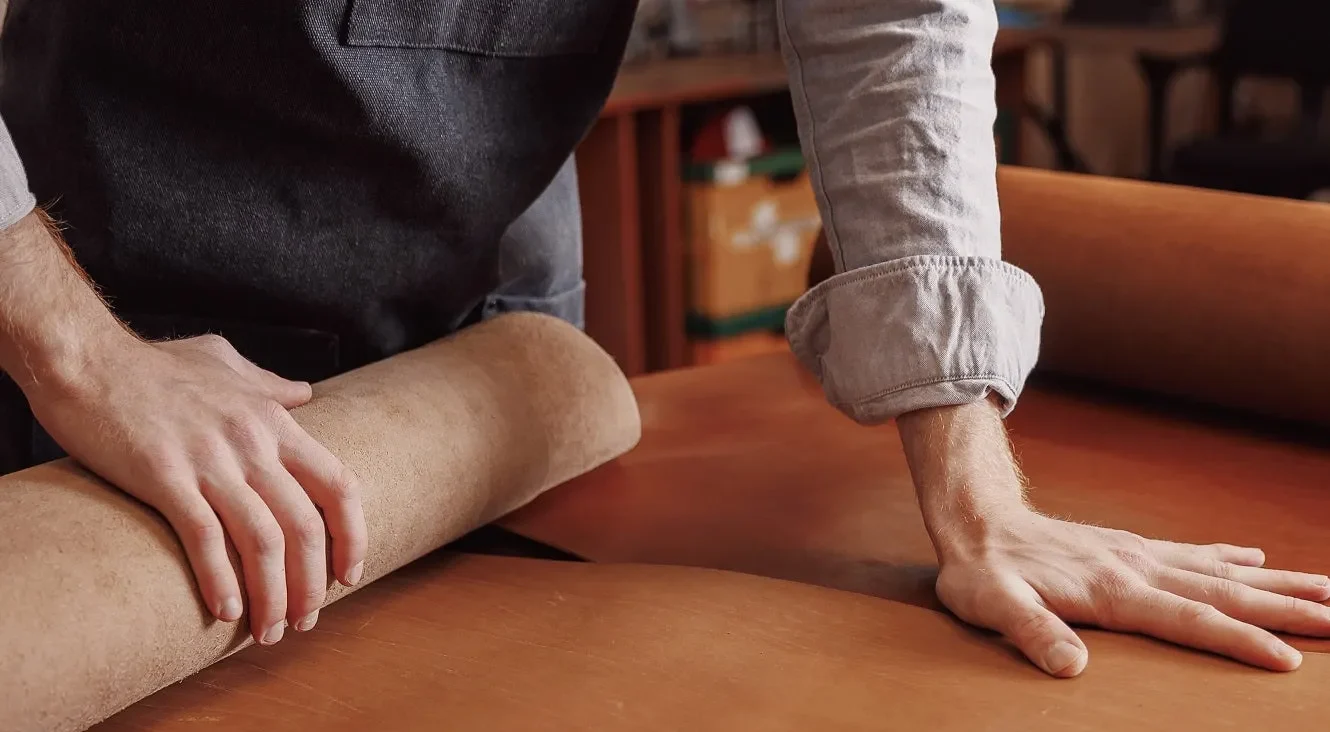
Zuschneidfelle may sound like a niche term, but it carries significant meaning across multiple industries. Derived from German, it literally translates to “cutting skins.” Historically and in modern times, these materials serve a variety of purposes, from ski touring skins and leathercraft cutting mats to traditional hides used in fashion and practical crafts.
The versatility of it makes them valuable across craftsmanship, fashion, and outdoor activities. Whether you’re an artisan, a DIY enthusiast, or an outdoor adventurer, understanding it can enhance both your skill and appreciation for quality materials. This article aims to provide a comprehensive guide to it, exploring its history, traditional and modern applications, materials, and practical DIY techniques.
Historical Background
The story of it begins centuries ago, when natural hides were essential for daily life. Early civilizations relied on animal skins for clothing, footwear, and shelter, and craftsmen developed methods to maximize every piece of hide, minimizing waste while creating durable and functional products.
During the Middle Ages, it gained prominence among European artisans. Cobblers, saddlers, and tailors prized these prepared hides for their durability and versatility. Leatherworking tools often incorporated Zuschneidfelle as cutting surfaces, while the hides themselves were shaped into garments, belts, pouches, and protective layers.
Over the centuries, it evolved from a practical necessity to a specialized product appreciated for precision, craftsmanship, and aesthetic value. Today, their historical significance remains evident in both traditional crafts and modern industries.
Traditional Uses of Zuschneidfelle
It historically served a variety of purposes, particularly in craftsmanship and daily utility.
Leathercraft
In leatherworking, it was primarily used for cutting hides, providing a stable surface for precise cuts in tools, garments, and accessories. They also protected work surfaces from damage, ensuring cleaner and safer crafting.
Tool Sharpening
Certain types of Zuschneidfelle served as strops for sharpening knives, blades, and scissors. The smooth yet resilient texture allowed craftsmen to maintain sharp, precise edges for tools that were critical in daily work.
Protective Coverings
It was also used to cover workbenches and cutting surfaces, preserving furniture and tables from wear while providing a safe, durable workspace.
Fashion Accessories
Beyond utility, it contributed to fashion and decorative items. Artisans crafted belts, pouches, and protective layers for tools, blending function with style. These traditional uses highlight how it were valued for both practical and aesthetic qualities.
Modern Applications of Zuschneidfelle
It has adapted to contemporary needs, finding relevance in outdoor sports, leathercraft, fashion, interior design, and tool maintenance.
DIY Outdoor Activities
For ski touring and climbing, they are indispensable as skins for skis and splitboards. They provide critical grip on steep slopes, improving both safety and performance. Many outdoor enthusiasts now custom-cut Zuschneidfelle to fit their specific gear, enhancing efficiency and personal comfort.
Leathercraft
In modern leatherworking, it continues to be used as cutting mats, helping artisans achieve precise cuts and professional results. Their durability and flexibility make them ideal for projects ranging from wallets to intricate decorative items.
Fashion and Accessories
Designers incorporate it into handbags, belts, wallets, and jackets, leveraging the unique textures and natural appearance that synthetic materials cannot replicate. Their authenticity and tactile quality enhance luxury products.
Decorative Arts & Interior Design
In interior design, Zuschneidfelle’s natural textures add a rustic and authentic charm to home décor, furniture, and craft projects.
Tool Maintenance
Even in modern culinary and craftsmanship settings, it remains useful for strops, maintaining precision blades and tools.
Materials and Processing Techniques
The quality and versatility of Zuschneidfelle depend heavily on materials and processing methods.
Traditional Methods
Vegetable tanning is the oldest method, using natural plant extracts to treat hides. This method is eco-friendly, produces a natural finish, and preserves the flexibility and durability of the skin.
Modern Methods
- Chrome tanning allows for industrial-scale production with consistent quality.
- Synthetic treatments enhance moisture resistance and long-term durability, making it suitable for specialized or high-use applications.
Key Qualities
No matter the processing method, high-quality Zuschneidfelle are defined by:
- Durability
- Flexibility
- Workable texture
- Ease of cutting and shaping
DIY Zuschneidfelle Projects
One of the most rewarding aspects of it is its DIY potential, allowing enthusiasts to customise and personalise their gear or craft projects.
Benefits of DIY Customization
- Tailored designs for specific needs
- Enhanced creativity and problem-solving skills
- Hands-on learning that builds confidence
Preparation for DIY Projects
- Select appropriate skins or hides based on project requirements
- Gather sharp cutting tools, measuring devices, and templates
- Ensure a clean, organised workspace to reduce mistakes
Cutting Techniques of Zuschneidfelle
- Measure and mark carefully before cutting
- Follow precise lines to avoid wastage
- Use sharp blades for clean edges and smooth finishes
- Learn from experience to avoid common mistakes
Maintenance & Recutting
- Clean and inspect regularly
- Re-trim or re-cut as needed to maintain function and appearance
- Proper storage ensures longevity and flexibility
Leathercraft-Specific Applications
Zuschneidfelle have a unique place in leatherworking, serving as essential tools that enhance precision, creativity, and overall project quality.
Advantages in Leatherworking
- Durable and Flexible: They are designed to withstand repeated cuts, folds, and pressure, making them ideal for long-term use.
- Easy to Handle: Their manageable size and pliability allow artisans to manipulate them without strain.
- Suitable for Intricate Designs: The texture and thickness of Zuschneidfelle make them perfect for detailed patterns, tooling, and layered designs.
- Versatile Across Textures: They accommodate multiple leather types, supporting a range of finishes from smooth to rugged.
Incorporation in Projects
Artisans use it in various leathercraft projects, including:
- Bags and Wallets: Provides a reliable surface for precise cutting and shaping.
- Decorative Items: Ideal for creating embossed designs, layering textures, and custom finishes.
- Layering, Stitching, and Finishing Tips: Using Zuschneidfelle as a base helps maintain clean edges during stitching, protects surfaces during tooling, and allows for smooth finishing of intricate pieces.
Purchasing High-Quality Zuschneidfelle
Finding premium ensures superior results in your projects:
- Local Leathercraft Stores: Speciality shops carry materials suited for artisan projects.
- Online Marketplaces: Websites focused on leatherworking often offer a variety of sizes and thicknesses with reviews for guidance.
- Artisan Fairs: Local fairs sometimes feature handcrafted it with unique qualities.
- Direct Manufacturer Sourcing: Contacting producers can yield bulk or sample options, often at better prices.
Comparison with Factory-Cut or Synthetic Alternatives
Choosing between factory-cut skins and DIY Zuschneidfelle requires understanding the trade-offs:
| It provides enhanced precision and durability | Advantages / Features | Notes |
| Factory-Cut Skins | Convenient and ready to use | Best for users prioritizing speed over customization |
| Consistent dimensions and quality | Uniform and reliable for standard projects | |
| Ideal for quick setup | Minimal preparation required | |
| DIY Zuschneidfelle | Allows for personalized fit to specific projects | Tailored to unique needs for better performance |
| Enhances performance by tailoring to precise needs | Optimized for individual use and specialized gear | |
| Encourages hands-on skill development and craftsmanship | Supports learning and creativity through practice | |
| Leathercraft Mats vs. Standard Cutting Boards | It provide enhanced precision and durability | Absorbs cuts without damaging blades |
| Standard cutting boards are less flexible | May lead to uneven edges or surface wear over time |
Sustainability and Ethical Considerations of Zuschneidfelle
It aligns closely with modern trends favouring eco-friendly and ethically sourced materials.
Eco-Friendly Properties
- Biodegradable and Long-Lasting: Unlike synthetic alternatives, it naturally decomposes and endures prolonged use.
- Minimal Waste: Crafting from byproducts reduces material waste and encourages responsible resource use.
- Vegetable Tanning: Traditional tanning methods reduce chemical impact, supporting environmentally conscious practices.
Ethical Sourcing
- Many Zuschneidfelle are sourced as byproducts of the food or livestock industry, reducing overall waste.
- Ethical sourcing enhances consumer confidence in purchasing durable, responsible materials.
Role in Modern Consumer Trends
- Increasingly, consumers prefer authentic, high-quality, and sustainable materials over synthetic mass-produced alternatives.
- It meets this demand, offering both environmental and cultural value.
Tips for Care and Maintenance
Proper care is essential to maintain the quality and longevity of Zuschneidfelle:
- Cleaning: Use a soft brush or damp cloth to remove debris; avoid soaking the material.
- Conditioning: Apply a quality leather conditioner periodically to prevent cracking and maintain suppleness.
- Storage: Keep in a cool, dry place away from direct sunlight to prevent warping or fading.
- Handling: Use gently during projects to avoid unnecessary wear; avoid bending or folding excessively.
Following these tips ensures that it remains a reliable and long-lasting tool in both leathercraft and other applications.
Cultural and Modern Mindset
Zuschneidfelle reflect a modern appreciation for personalization, self-sufficiency, and hands-on craftsmanship:
- Personalization and Self-Sufficiency: DIY projects with it allow artisans to tailor materials to exact specifications.
- Learning-by-Doing Culture: Mistakes are viewed as opportunities to refine skills and improve technique.
- Connection Between Artisan, Material, and Project: Working directly with it fosters a deeper understanding and respect for craftsmanship.
- Enhances Appreciation for Craftsmanship and Design: Engaging with natural materials promotes creativity and a sense of accomplishment.
Conclusion
Zuschneidfelle serve as a bridge between tradition and modern innovation, remaining relevant across industries due to their:
- Versatility: Suitable for leathercraft, outdoor sports, fashion, and decorative arts
- Sustainability: Eco-friendly, biodegradable, and ethically sourced
- Quality: Durable, flexible, and adaptable for precise applications
- Personalization: Ideal for DIY projects, tailored cuts, and creative expression
By embracing it, artisans, DIY enthusiasts, and designers can explore new possibilities, connect with a centuries-old tradition, and create functional and beautiful projects. Whether for crafting intricate leather goods, enhancing ski touring equipment, or adding authentic texture to modern designs, it remains an essential, sustainable, and highly versatile material for contemporary creators.







Post Comment