What a Scratched Floor Can Teach About Small Components
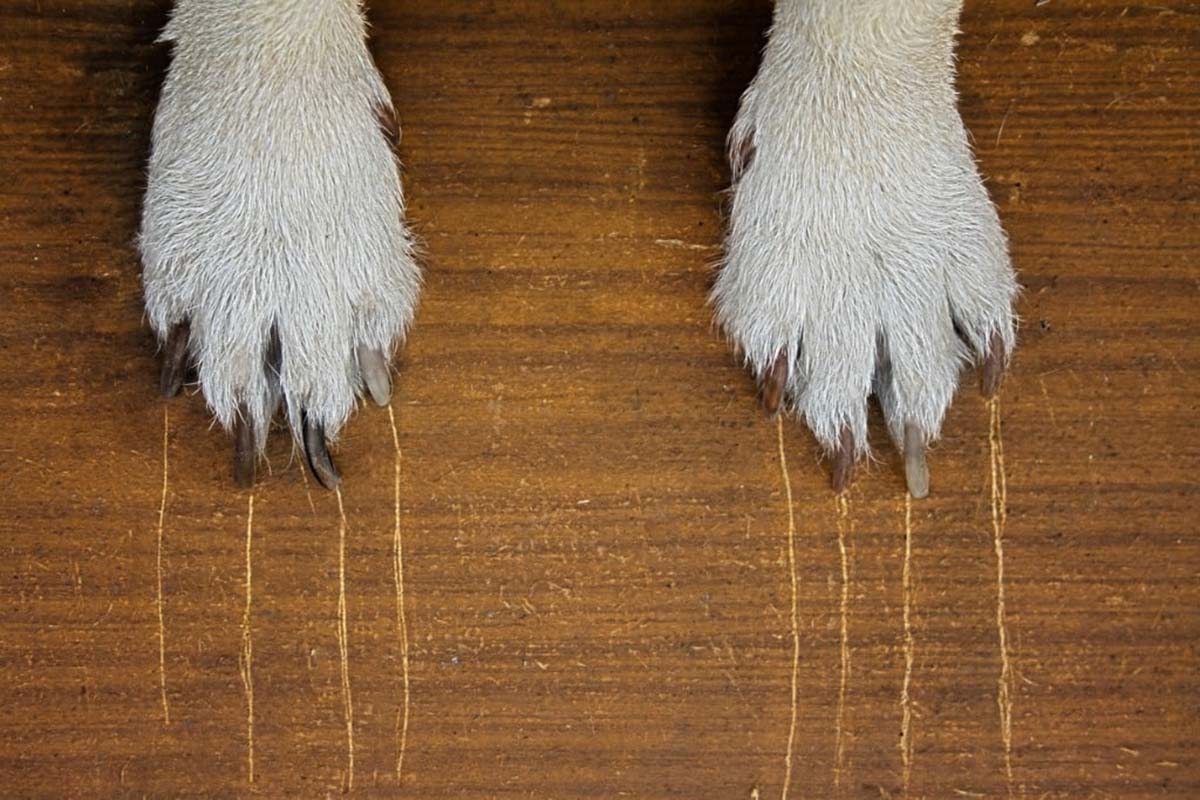
The conversation began with a scratch. Not a deep one. Not the kind that ruins a floor or triggers an insurance claim. Just a thin line across polished timber that somebody noticed while waiting for a coffee. The café owner noticed it first. You could tell.
He paused for half a second while carrying cups to a table. Not long enough for anyone else to think much about it. Then he carried on. Life rarely stops because of small things.
The morning crowd kept arriving. A cyclist leant a bike against a fence outside. Someone was discussing school pickup schedules. Another customer spent ten minutes looking for glasses that were sitting on top of their head the entire time.
Normal weekday stuff. The scratch remained there. Quietly. Funny thing is, small problems often become conversation starters long before they become actual problems.
Nobody walked into that café intending to discuss furniture maintenance. They talked about rising costs, local roadworks, and whether winter seemed colder than usual this year. Then somebody dragged a chair. That sound.
The scraping sound. Everybody knows it. And suddenly the scratch on the floor wasn’t just a scratch anymore. It became a story. A question. An observation. About twenty minutes later, the conversation found its way to Rubber Feet.
Not immediately. People rarely talk in straight lines. The discussion wandered through office furniture, home renovations, dining tables, and old wooden floors before arriving there.
Then it happened. The phrase started appearing from different directions. A homeowner mentioned replacing them. A café owner mentioned checking them. Someone managing an office fit-out brought them up too.
And before long, the conversation was no longer about a scratch. It was about all the little things people only notice after something changes.
The Conversation Usually Starts Somewhere Else
A friend recently moved into an older house. One of those places with timber flooring that tells stories. Every mark has a history. Every dent probably has a reason. At least that’s how she described it. A few weeks after moving in, she started noticing tiny scratches appearing near the dining area.
Nothing serious. Just enough to catch the light differently. At first she blamed the dog. Then the kids. Then herself. Maybe she had dragged something while cleaning. Maybe. The explanations changed every few days. Then one evening she flipped a chair upside down and discovered the issue. A missing rubber feet pad. One tiny component. That’s all. Which sounds strange when you think about it.
People spend weeks choosing furniture. Comparing colours. Measuring rooms. Planning layouts. Then a detail hidden underneath a chair ends up influencing the experience more than expected. That’s probably not the point. Still, it’s interesting how often household decisions work that way. The smallest things tend to stay invisible until they stop doing their job.
The Things People Notice After They Notice Them
There was an office refurbishment project a few suburbs away not long ago. Fresh flooring. New desks. Updated meeting spaces. The sort of project nobody thinks about once it’s finished. Everything looked great. Everyone moved on.
Months later somebody noticed a desk shifting slightly during meetings. Not dramatically. Just enough to be annoying. Once one person mentioned it, everyone noticed. The wobble seemed bigger. The movement felt more obvious.
It was strange. Nothing had actually changed overnight. The issue had been there already. People simply hadn’t paid attention. Awareness has a funny way of working. Once something enters your mind, it refuses to leave.
The facility manager later explained that several rubber feet components underneath furniture had worn down over time. Simple issue. Simple solution. Yet what stood out wasn’t the repair itself. It was how long it took anyone to mention it.
Weeks. Maybe months. Because people don’t spend their day inspecting furniture. They work. Attend meetings. They answer emails. Life happens. The details remain in the background until they step forward and demand attention.
Somewhere Between Habit And Maintenance
Anyway, one thing that kept appearing in conversations about Rubber Feet was habit. Not maintenance schedules. Not technical specifications. Habits. Some people regularly move furniture around. Others don’t.
Some businesses rearrange spaces constantly. Others leave everything untouched for years. Different environments create different experiences. A restaurant owner once told me that furniture lives a harder life than most people realise. Customers pull chairs backwards.
Tables shift slightly throughout the day. Equipment gets moved. Everything experiences a little wear. Every day. Nothing dramatic. Just constant use. That’s where rubber feet often become part of the story. Not because they’re exciting.
Because they quietly absorb the effects of everyday life. The movement. The friction. The contact between furniture and surfaces. Most people never think about them. Until they hear a scrape. Or notice a wobble.
Or discover a mark on the floor that wasn’t there before. Then suddenly they’re looking underneath every chair in the room. Funny how quickly attention shifts.
Not Everybody Ends Up In The Same Place
Back at the café, the scratch was still there. Not growing. Not causing problems. Just existing. The lunchtime crowd had started arriving by then. People were discussing work deadlines, weekend plans, and a local sporting event that seemed to dominate half the conversations in the room.
The topic of rubber feet had mostly disappeared. The discussion moved elsewhere. As conversations usually do. One customer left. Another arrived. Someone dropped a teaspoon. A barista called out an order.
The café owner eventually walked over and adjusted the same chair that had created all the discussion earlier in the day. Nobody paid much attention. Most people were busy with their own thoughts. Their own conversations.
Their own plans for the afternoon. The chair looked exactly the same as before. The floor looked almost exactly the same too. And somewhere between the sound of coffee machines and chairs moving across timber, the conversation drifted away from scratches, furniture, and rubber feet from Concept Fasteners altogether.
Until somebody paused, looked down at the floor again, and quietly asked whether that mark had always been there.











Post Comment