How to Choose the Right Coffee Beans for Your Brewing Method
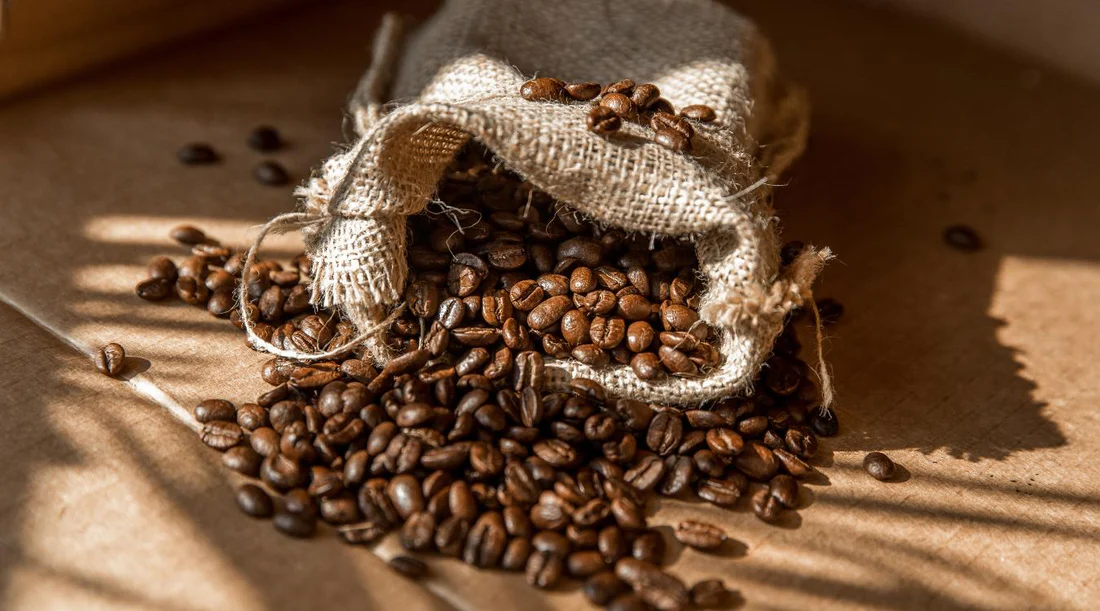
Coffee can feel simple at first glance—beans, water, heat, done. But anyone who has brewed a cup that tasted amazing one morning and flat the next knows there’s more going on. The truth is, the same coffee beans can taste completely different depending on how you brew them. That’s why choosing the right beans for your brewing method matters more than most people think.
Whether you’re using an espresso machine at home, a French press on a quiet Sunday morning, or a pour-over setup at work, the beans you pick shape everything: flavor, aroma, strength, and even how “smooth” your coffee feels. Once you understand a few simple ideas, choosing becomes much easier—and a lot more enjoyable.
Start with how you actually brew your coffee
Before thinking about flavor notes or roast levels, it helps to start with something more practical: how you make your coffee every day.
Different brewing methods extract coffee in different ways, almost like different cooking styles. Think of it like this:
A pressure cooker (espresso machine) pulls flavor quickly and intensely. A slow simmer (French press) extracts more oils and body. A drip coffee maker is somewhere in between, designed for balance and consistency.
That’s why certain beans naturally work better with certain methods.
For example, espresso machines usually do best with beans that are medium to medium-dark roasted. These beans have enough strength and caramel-like sweetness to stand up to pressure and milk. If you’ve ever had a latte at a café that tasted rich and chocolatey, that’s usually the kind of bean behind it.
On the other hand, pour-over methods like V60 or Chemex highlight clarity and brightness. Lighter roasts tend to shine here because the slower extraction brings out floral or fruity notes that might get lost in espresso.
French press users often prefer coarser-ground beans with a fuller roast because the immersion style pulls out oils, giving a heavier, more textured cup—think cozy weekend mornings or slow hotel breakfasts where coffee feels more like a ritual than a rush.
Understanding your method first saves you from guessing later.
Roast levels: the “volume control” of coffee flavor
If brewing methods are the “how,” roast levels are the “tone.”
Coffee roasts generally fall into three broad categories: light, medium, and dark. Each one changes the way the bean behaves, almost like adjusting brightness on a screen.
Light roast coffee is closer to the original character of the bean. It tends to be more acidic, brighter, and sometimes fruity or floral. You might taste citrus, berries, or even tea-like notes. This is common in specialty cafés and works beautifully in pour-over brewing or filter coffee machines.
Medium roast is the middle ground. It balances acidity with sweetness and body. You’ll often notice chocolate, nuts, or caramel-like flavors. This is the “safe everyday choice” in many homes because it works well across multiple brewing methods.
Dark roast is bold, smoky, and often bitter in a pleasant way. It’s the roast you associate with strong café lattes, espresso shots, or traditional diner-style coffee. The original bean character is less visible, replaced by roasted, toasted flavors.
To put it into real life terms:
Light roast is like a fresh salad with citrus dressing, medium roast is a warm roasted meal, and dark roast is grilled or smoked food with deep seasoning. None is better universally—it depends on what you’re in the mood for.
This is where many people accidentally go wrong. They buy a dark roast thinking it’s “stronger,” then use it in a pour-over and wonder why it tastes harsh or flat. Strength isn’t just roast level—it’s also about brewing style and grind size working together.
Once you understand roast levels, you stop guessing and start choosing intentionally.
Matching flavor to your lifestyle and everyday moments
Coffee isn’t just about taste—it’s tied to routines, moods, and environments. That’s why the “best” beans often depend on when and how you drink them.
Think about a typical weekday morning. You might be half-awake, rushing emails, maybe grabbing coffee before a commute or a morning meeting. In that case, a medium roast espresso blend is usually ideal. It’s consistent, smooth, and forgiving if your timing or measurements aren’t perfect.
Now imagine a weekend morning. No rush, sunlight coming through the window, maybe a slow breakfast. That’s when lighter single-origin beans shine. Brewing a pour-over in that setting feels almost like a small ritual—measuring, pouring, waiting, smelling. It’s not just caffeine; it’s an experience.
In offices, coffee often serves a different role entirely. It’s about availability and mass consistency. That’s why many workplaces lean toward balanced medium roasts in batch brewers—they satisfy a wide range of preferences without being too sharp or too intense.
Even industries outside home brewing can offer useful parallels. In restaurants, chefs often choose ingredients that are flexible under different cooking methods. Coffee is similar: a versatile bean can work across espresso, milk drinks, and filter brewing without falling apart in any one category.
This is where experimentation becomes helpful. Trying different beans across different brewing styles is a bit like adjusting recipes in cooking. Small changes in grind size, water temperature, or roast level can completely change the outcome.
And once you find combinations that feel right, you start to recognize patterns in what you enjoy—whether that’s chocolate-heavy espresso shots or bright, fruit-forward filter coffee.
Some coffee guides even include curated selections to help narrow things down further, like this simple reference point for High-Quality Coffee Beans.
You don’t need to overthink it at first. The goal is just to connect what you like in your cup with how it was made.
Bringing it all together: choosing becomes easier over time
At the beginning, coffee selection can feel overwhelming. There are origins, roast profiles, processing methods, tasting notes—it can sound more like wine than something you drink every morning. But once you strip it back to basics, it becomes surprisingly logical.
Start with your brewing method.
Then think about roast level.
Finally, match it to your daily routine and taste preferences.
That’s really the core decision process.
A person who drinks cappuccinos every morning might settle comfortably into medium-dark espresso blends. Someone who enjoys black coffee slowly on weekends might gravitate toward lighter, more expressive beans. A busy household with multiple drinkers might prefer a balanced medium roast that works in everything from espresso machines to drip brewers.
The important thing is not to chase the “perfect” bean right away, but to notice what you actually enjoy. Coffee changes with experience. What tastes too strong today might feel just right later. What seems too bright now might become your favorite in a few months.
Once you start paying attention, choosing coffee beans becomes less about confusion and more about curiosity. And that’s when coffee stops being just a routine—and becomes something you actually look forward to.














Post Comment