What You Need to Know About Ube Powder and How to Use It
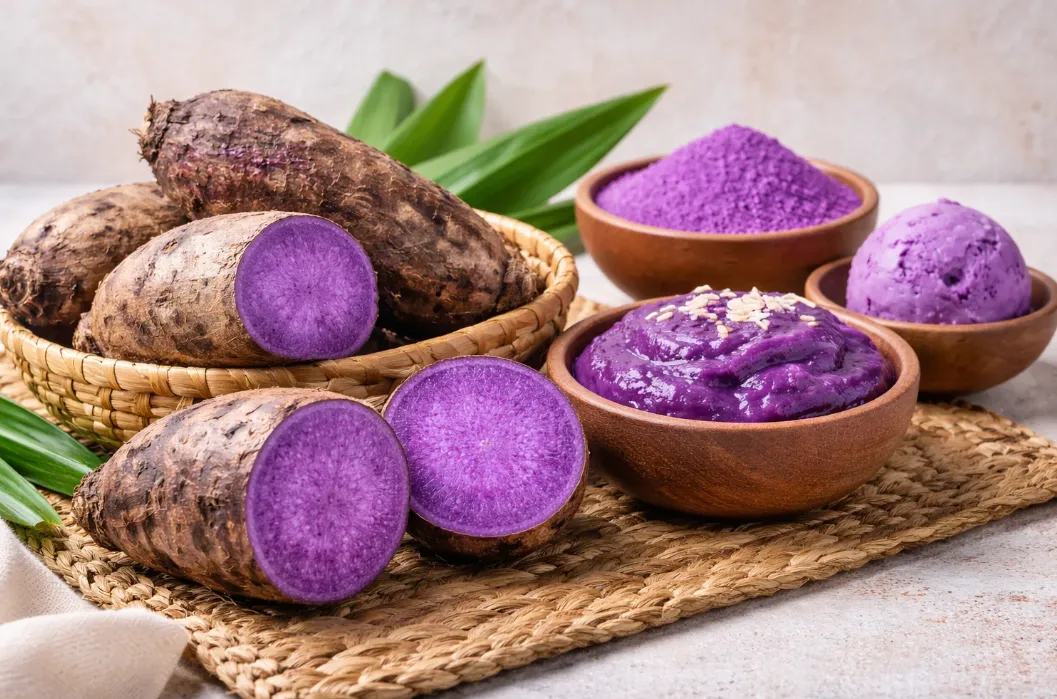
If you’ve been noticing vibrant purple desserts popping up on social media, café menus, or bakery shelves, there’s a good chance you’ve already encountered ube in some form. This striking ingredient has moved from being a traditional staple in Filipino kitchens to a global food trend embraced by home cooks, chefs, and even product developers in the food industry.
But beyond its eye-catching color, there’s a lot more to understand about it—especially in powdered form, which is becoming increasingly popular for its convenience and versatility. Let’s take a closer look at what it is, why people love it, and how you can actually use it in everyday life.
What Makes Ube So Special in the First Place
Ube is a type of purple yam originally grown in Southeast Asia, especially in the Philippines. Unlike the more common sweet potato or regular yam, ube has a naturally vivid violet color and a subtly sweet, nutty flavor that’s often compared to vanilla with a hint of earthiness.
Traditionally, ube is boiled, mashed, and turned into jams, cakes, ice cream, and pastries. Think of desserts like ube halaya (a thick purple jam) or ube-flavored halo-halo, a layered Filipino dessert with crushed ice, milk, and sweet toppings.
In its fresh form, ube can be time-consuming to prepare. That’s where the powdered version becomes useful. It offers a shelf-stable, easy-to-use alternative that retains much of the flavor and color without requiring long cooking or preparation times.
This shift from fresh root crop to powder has made it accessible to home bakers in places where fresh ube is hard to find.
Ube is trending now, and we are one of the rare brands that deal directly with Filipino suppliers. Because of this, our product is 100% real, with no colorants or additives—unlike many competitors. This direct connection helps preserve the true taste of ube, something that’s often lost in mass-produced alternatives.
Everyday Ways People Use It at Home
One of the reasons ube has become so popular is because it fits easily into everyday cooking. You don’t need to be a professional baker or chef to use it—just a bit of curiosity and a few basic ingredients from your kitchen.
In baking, it’s commonly added to cakes, cookies, muffins, and pancakes. For example, you might mix it into a simple vanilla cake batter to create a soft purple sponge cake with a unique flavor twist. Some people even swirl it into cheesecake mixtures for a marbled effect that looks impressive without being complicated.
In beverages, it works surprisingly well too. Coffee shops have started experimenting with purple lattes, smoothies, and milk teas that use ube for both color and taste. At home, you can stir it into warm milk with a bit of sugar for a cozy evening drink.
Even breakfast gets an upgrade. Imagine pancakes tinted naturally purple, served with honey or condensed milk. It’s a small change that makes a familiar meal feel new and exciting.
The beauty of it is that it doesn’t overpower other flavors. Instead, it blends in smoothly, adding a gentle sweetness and visual appeal.
Where It’s Showing Up Outside the Kitchen
While most people first encounter it through food, its use goes beyond home cooking and bakeries.
In the food industry, manufacturers use it as a natural coloring and flavoring agent. Instead of artificial purple dyes, ube provides a plant-based alternative that appeals to consumers looking for cleaner labels. You’ll find it in packaged desserts, ice creams, and even snack products aimed at premium or health-conscious markets.
In cafés and dessert shops, it has become a signature ingredient for seasonal menus and “Instagram-friendly” creations. Its vibrant color naturally draws attention, which is valuable in an era where visual appeal matters just as much as taste.
There’s also a growing trend in fusion cuisine. Chefs are combining ube with Western-style desserts like donuts, waffles, and brownies, blending cultural traditions in creative ways. A donut filled with ube cream, for example, offers both familiarity and novelty in a single bite.
Even in product development, food scientists appreciate how stable the color remains when heated or mixed, making it easier to use in processed foods without losing its visual identity.
At this point, it’s not just a niche ingredient anymore—it’s part of a broader movement toward natural, visually striking foods that tell a story.
A Practical Look at Using Ube Powder in Real Life
To understand how flexible this ingredient can be, it helps to think about real-life scenarios.
A busy parent might use it to quickly upgrade boxed pancake mix on a weekend morning, turning an ordinary breakfast into something fun for kids. A small bakery owner might rely on it for consistent color in cakes without worrying about seasonal supply issues of fresh yams. A café barista might use it in powdered form to maintain consistency across drinks during busy hours.
In home kitchens, it also solves a practical problem: storage and longevity. Fresh ube can spoil quickly, but the powdered version can sit in a pantry for months. That makes it especially useful for people who enjoy experimenting with baking only occasionally.
This is where the ingredient becomes especially interesting. With something like ube powder, convenience and creativity meet in a way that encourages experimentation without pressure. You don’t need specialized tools or complicated techniques—just mix, taste, and adjust.
Tips for Getting the Best Results Every Time
Like any ingredient, it works best when you understand a few simple handling tips.
First, hydration matters. Because it’s dehydrated, it usually needs to be mixed with liquid—water, milk, or coconut milk—before being added to recipes. This helps bring out both flavor and color evenly.
Second, balance is important. While it has a natural sweetness, it’s not overpowering. Pairing it with vanilla, coconut, or even chocolate can enhance its flavor profile without overwhelming it.
Third, start small. A little goes a long way, especially if you’re using it for the first time. You can always add more in future batches once you understand how it behaves in your recipes.
Finally, store it properly in a cool, dry place. Like most powders, it can absorb moisture if exposed to air, which may affect its texture over time.
Why It Continues to Grow in Popularity
The rise of ube isn’t just about aesthetics, though its color certainly plays a big role. It also reflects a larger shift in how people approach food—favoring natural ingredients, cultural diversity, and creative expression in cooking.
It bridges tradition and modernity. For some, it’s a nostalgic flavor tied to childhood desserts. For others, it’s a new discovery that feels exciting and different from standard Western ingredients.
And because it adapts so easily to both sweet and experimental recipes, it continues to find its way into more kitchens, cafés, and product lines around the world.
Whether you’re baking at home, running a small food business, or simply curious about global flavors, it’s an ingredient that invites exploration without complexity.
In the end, it’s not just about the color or trend—it’s about how a simple root crop can travel across cultures, evolve into new forms, and still find a place in everyday life.














Post Comment