How often Should Schools Run Anti-bullying Programs?
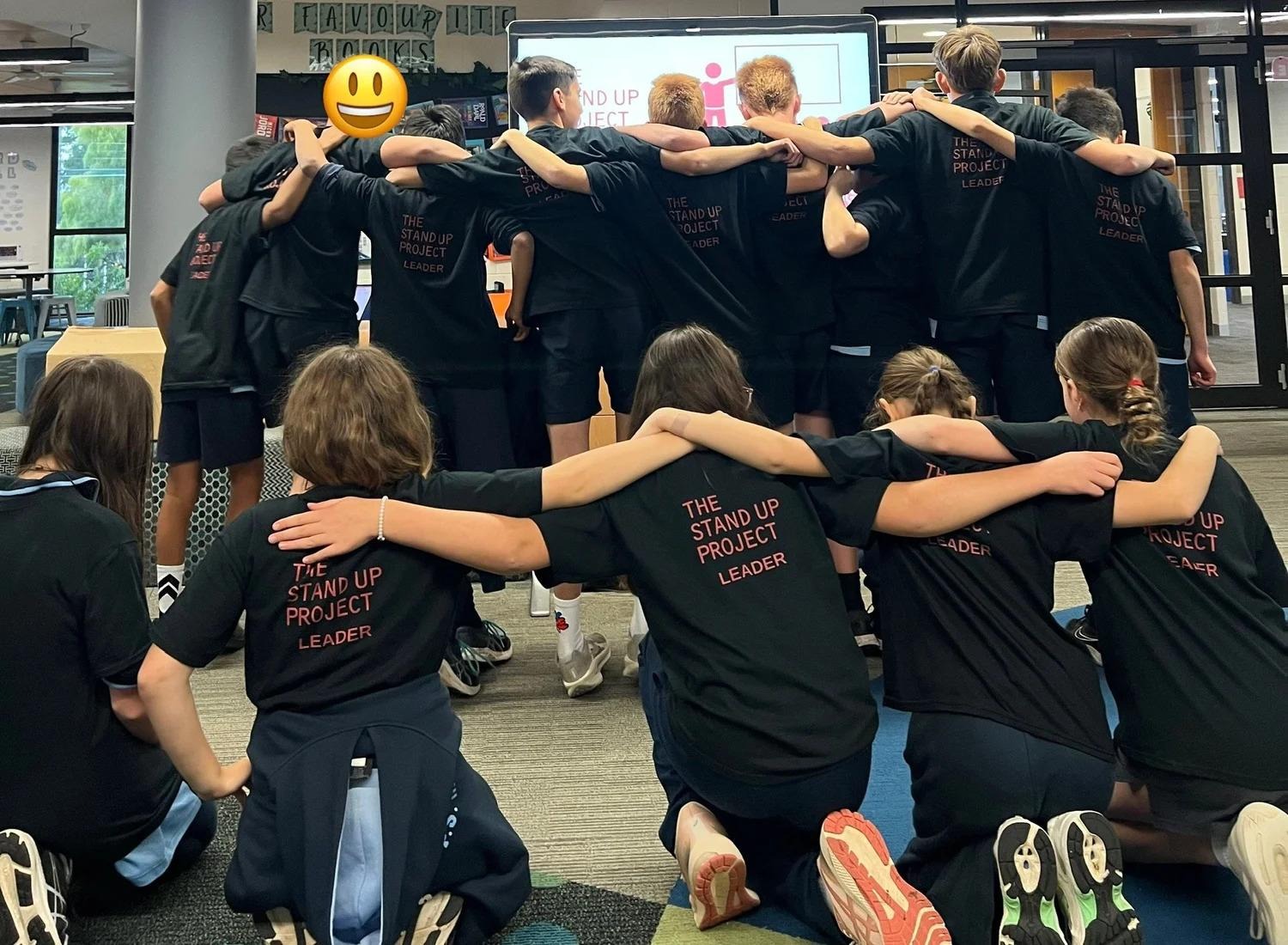
Creating a safe, respectful learning environment is not a one-time effort. The solutions to bullying in schools need to be carefully addressed, reinforced, and adjusted on a regular basis. Among the most widespread enquiries posed by educators and administrators is the frequency at which schools should run anti-bullying programs so that schools can achieve a significant impact.
The answer is simple. Anti-bullying initiatives need to be continuous and not occasional. Nevertheless, the real-life practice of this principle is to comprehend the way prevention practices can be effective, how the behaviour of students can be develope, and how the culture in schools can be change throughout the time.
Bullying Prevention Is Not a Single Event
The first strategy that is use by many schools to tackle bullying concerns is the annual workshops or awareness activities. Although such efforts make bullying visible, the everyday interaction, peer relationships, and social contexts that are always dynamic contribute to bullying in schools.
Student populations change with every academic year. New social groups form. Students change their communication patterns, competitiveness, and conflict resolution patterns in developmental stages. Due to this, anti-bullying programs for schools are most effective when they are integrate into the rhythm of school life rather than treated as isolate events. A seminar can raise awareness on a one-time basis; however, in the long term, repetition, reinforcement, and consistent messages can do the trick.
Recommended Frequency for Anti-bullying Programs
Instead of conceptualising the annual program, schools enjoy the added advantage of a layered approach.
Core Programs Annually
School-wide anti-bullying programs should be institute in a majority of schools at least once during a year. This will enable new students and personnel to get basic training on expectations, reporting systems, and norms of behaviour.
Annual programs may consist of:
- Proper definitions of bullying behaviours
- Social media use and interaction instructions
- Reporting systems and procedures
- Sympathy and mediation talks
This annual reset is useful in bringing the school community on the same wavelength.
Reinforcement Sessions during the year
Concepts lose their awareness unless they are revisited. Reinforcement sessions on a short-term basis or semester are used to ensure relevancy.
Frequent visits may comprise:
- Classroom discussions
- Leadership activities by students
- Scenario-based learning
- Workshops or assemblies that is peer-led
Repeated involvement contributes towards the emerging problems and changing social relations. Such continuous concern decreases the chances that bullying at schools can become the norm or be ignored.
Continuous Cultural Integration
The most effective prevention programs go beyond the scheduled programs. The values of anti-bullying can be incorporated into the day-to-day school life:
- Lessons of social-emotional learning
- Classroom norms
- Staff training
- Mentoring programs by students
With the assistance of anti-bullying programs in schools that are backed by the daily behavioural expectations, prevention will become part of a school culture, as opposed to a regular intervention.
Why Repetition Matters
Repetition is an important factor in behavioural learning. Complex social concepts are hardly internalised by students after one exposure. Reinforcement supports:
Consistency of Message
Consistency in programming makes sure that the students remain exposed to similar expectations in various contexts. This clarity reduces confusion and mixed interpretations of acceptable behavior.
Adaptation to New Challenges
Bullying at schools takes new forms. New discussions will be needed in the areas of cyber bullying, social exclusion, and indirect relational aggression. Based on the frequent programming, schools can make necessary changes to the content.
Sustained Awareness
Discussions are more likely to make students identify problematic behaviour. The awareness will promote earlier reporting and intervention.
Age and Developmental Considerations
The frequency can be different with the groups of students.
Primary / Elementary Schools
The younger students get shorter and more frequent sessions. Such ideas as empathy, kindness, and respectful communication are confirmed by repetition and examples.
Secondary / High Schools
Senior students might need further discussions about peer pressure, online conduct, and social levels. Although core programs annually are also valuable, periodic refreshers are desirable to take into account the changing social complexities.
Regardless of the age, the presence of regular exposure enhances the comprehension and behavioural alignment.
The Role of Staff and Leadership
Good prevention is not merely student-centred. This is because teachers, administrators and support staff have a pivotal role to play in the identification, response and prevention of bullying in schools.
Schools should consider:
- Annual staff training
- Professional development updates periodically.
- Clear response protocols
Anti-bullying programs in schools become credible and effective when adults are able to model and reinforce anti-bullying principles regularly.
Signs That More Frequent Programs May Be Needed
The frequency of the program may be increased in some schools according to the environmental indicators:
- Increasing cases of behaviour
- Student disputes increased.
- Changes in school climate survey
- New digital behaviour issues
The prevention measures must be adaptable. This is because the intensity of anti-bullying programs in schools is the way through which schools can adopt a proactive response instead of a reactive one.
Long-Term Impact Comes from Continuity
Sustainable change is not a one-time initiative. In schools where bullying prevention is a continuous process, it tends to be noticed:
- Better peer relationship
- Greater confidence in reporting
- Improved sense of safety
- Healthier school culture
Frequent interaction can assist students to see respectful conduct as a collective responsibility and not a top-down dictate.
Final thoughts
The schools should consider conducting anti-bullying programs for schools at least once a year with periodical reinforcement of the programs within a school year. However, continuous cultural integration is really effective. Bullying in schools is not a matter of organising one event but a continuous, dynamic effort towards the well-being of the students.
When prevention becomes embedded in everyday school experiences, schools move beyond awareness and towards lasting cultural influence.
Disclaimer
This article is intended for general informational purposes only and does not constitute legal, psychological, or educational policy advice. Anti-bullying program frequency, structure, and implementation should be tailore to each school’s specific needs, local regulations, and student population.
Schools and educational leaders are encourage to consult qualifie education professionals, child psychologists, and relevant authorities when designing or adjusting bullying prevention strategies. The author and publisher assume no responsibility for decisions made based on the information provided in this article.














Post Comment