Best Men Swim Trunks Trends for Beachwear Comfort Style and Performance
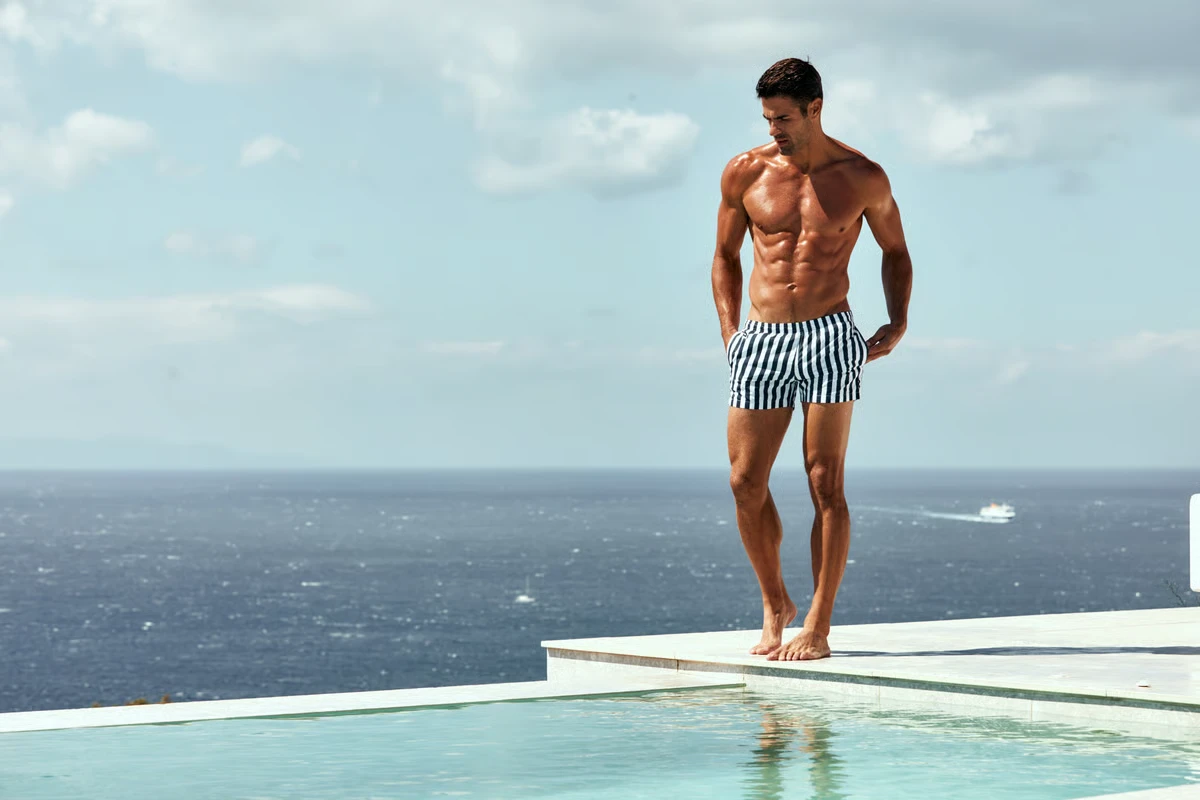
Beachwear has changed a lot over the years. What used to be a simple pair of basic shorts has now turned into a mix of fashion, performance engineering, and everyday comfort design. Today’s men’s swim trunks are not just for swimming—they’re worn on vacation walks, pool parties, resort dinners, and even quick errands near the coast. Because of that, trends now focus on how swimwear feels, how it looks, and how well it performs in real-life situations.
Whether you’re planning a beach trip or just updating your summer wardrobe, understanding what’s trending can help you choose trunks that actually work for your lifestyle, not just your Instagram feed.
Comfort is no longer optional—it’s the foundation
One of the biggest shifts in men’s swimwear is the focus on comfort as a baseline requirement. A decade ago, most swim trunks came with a simple mesh lining inside. The idea was to provide support, but many people found it itchy, restrictive, and uncomfortable after long wear.
Now, brands are rethinking that entire experience. Instead of traditional mesh, many modern trunks use soft compression-style liners or lightweight stretch fabrics. These materials move with the body instead of against it. Think of it like the difference between wearing stiff office slacks versus soft athletic joggers—you can technically do the same things in both, but one makes your day a lot easier.
In everyday life, this matters more than people expect. For example, someone wearing swim trunks from morning beach volleyball straight through lunch and into an afternoon café doesn’t want to feel like they need to change clothes just to stay comfortable. That “all-day wearability” is now a major design goal.
Another comfort trend is improved waistbands. Elastic bands are now softer, wider, and more secure without digging into the skin. Some even include internal drawstrings that let you adjust the fit after swimming or walking.
The idea is simple: if you’re thinking about your shorts, they’re probably not good enough.
Style trends are moving toward versatility and personality
Swim trunks used to be predictable—solid colors, maybe a stripe if you were lucky. Now, they’re an extension of personal style. In many ways, swimwear is following the same path as streetwear, where individuality matters just as much as function.
One major trend is shorter inseams. While longer board shorts were popular for years, many men are now choosing mid-length or shorter cuts. These tend to look more modern and also dry faster, which is useful if you’re moving between water and land throughout the day.
Patterns are also getting bolder. Floral prints, geometric designs, tropical themes, and abstract art-inspired graphics are common. This isn’t just about standing out—it reflects how vacation culture has evolved. People want clothing that feels fun and expressive, especially in relaxed environments.
At the same time, minimalism is still strong. Solid earth tones like olive, sand, navy, and charcoal are popular because they pair easily with casual shirts or linen tops. This makes it easier to transition from beachwear to casual evening outfits without changing completely.
In industries like hospitality and travel, this versatility is a big deal. Resort staff, for example, often prefer clothing that looks polished but still feels relaxed enough for warm climates. The same logic applies to travelers who want to pack light but still look put together in photos or social settings.
Performance features that matter more than people realize
Behind the style and comfort, there’s a quiet revolution happening in swimwear performance. Modern trunks are being designed with materials and construction techniques that improve how they behave in real-world conditions.
Quick-drying fabric is one of the most important features. This means the material is engineered to release water faster after swimming. Instead of staying heavy and damp, the fabric returns to a light, wearable state within minutes. In practical terms, this prevents that uncomfortable “wet shorts sticking to your legs” feeling when you sit down at a beach restaurant or get into a car.
Stretchability is another key feature. Many modern trunks use four-way stretch fabric, which expands in all directions. This is especially useful for activities like paddleboarding, swimming, or even just sitting on uneven surfaces like rocks or sand.
Some advanced designs also include secure pockets with drainage holes. That might sound minor, but it solves a real problem: no one wants their phone or keys floating in water or getting trapped inside wet fabric.
If you want to explore different swimwear options and understand how these features compare across styles, premium swimwear by Tucann often highlights how design choices affect everyday use, from fabric technology to fit construction.
Another overlooked detail is weight. Lightweight trunks don’t just feel better—they also pack smaller, dry faster, and reduce friction when walking or swimming. For frequent travelers, this can make a noticeable difference when packing for a trip.
Choosing the right swim trunks for your real lifestyle
Trends are useful, but the best swim trunks are the ones that match how you actually live. A person spending most of their time at a resort pool has different needs than someone who surfs, hikes coastal trails, or travels between cities and beaches.
If your day is mostly relaxed—lounging, casual swimming, walking to cafés—then comfort and style balance is key. Mid-length trunks with soft liners and subtle patterns tend to work best. They look good in photos but still feel easy to wear for long periods.
For more active lifestyles, performance becomes more important. Shorter inseams, stretch fabrics, and secure waistbands help prevent distractions while moving. Think about situations like beach sports tournaments or spontaneous swimming sessions—your clothing should never slow you down.
Professionals in travel and hospitality often look for swimwear that can double as casual wear. For example, a hotel guest might wear swim trunks to breakfast after an early swim without needing to change. That’s where clean design and neutral colors become especially useful.
Even everyday routines matter. Something as simple as walking from the beach to a convenience store or riding in a shared taxi after swimming feels better when your clothing doesn’t cling, sag, or feel heavy.
In the end, the best approach is to think beyond “swimwear” as a category. Modern trunks are part of a larger lifestyle wardrobe—something that moves between water, land, and social settings without friction.
Final thoughts
Men’s swim trunks have evolved into a blend of comfort engineering, fashion expression, and practical performance. The latest trends aren’t just about looking good on the beach—they’re about making every part of a warm-weather day easier and more enjoyable.
Whether you prefer bold prints or minimal tones, short cuts or mid-length fits, the real shift is clear: swimwear is no longer just for swimming. It’s for living in.













Post Comment