Exterior Foundation Waterproofing: Protecting Your Home From Water Damage
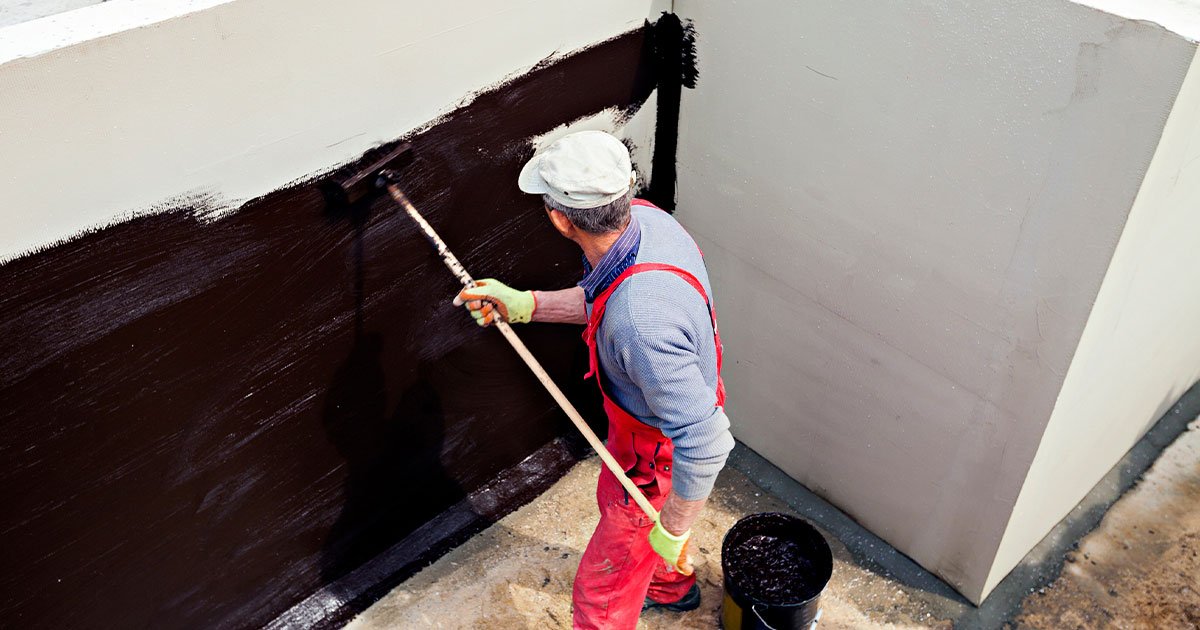
Water can cause serious problems when it reaches the foundation of a home. Over time, moisture can weaken building materials, create damp conditions, and contribute to structural deterioration. Investing in exterior foundation waterproofing helps homeowners protect their properties against these risks. By preventing groundwater from entering foundation walls, this approach supports a healthier indoor environment and improves the long-term durability of residential structures.
Understanding Exterior Foundation Waterproofing
Exterior foundation waterproofing involves protecting the outside surfaces of foundation walls from groundwater and surrounding soil moisture. Unlike interior moisture-control methods, exterior protection focuses on preventing water from entering the foundation in the first place.
The process generally involves exposing the foundation walls, preparing their surfaces, addressing visible defects, and applying suitable waterproof barriers. Drainage improvements may also be necessary to direct groundwater away from vulnerable areas.
A properly planned exterior foundation waterproofing system considers soil conditions, drainage patterns, foundation materials, and local weather conditions.
Why Foundation Walls Need Waterproof Protection
Foundation walls remain in constant contact with surrounding soil. During heavy rainfall or snowmelt, the soil can become saturated, increasing hydrostatic pressure against underground walls.
Without adequate protection, moisture may penetrate cracks, construction joints, or porous materials.
Preventing Basement Moisture
Damp basement walls often indicate that moisture is entering through the surrounding foundation. Exterior foundation waterproofing can help reduce water penetration by creating a protective barrier between the foundation and wet soil.
Protecting Structural Materials
Repeated exposure to moisture can contribute to concrete deterioration, reinforcement corrosion, and damage to surrounding materials. Addressing groundwater infiltration helps limit these risks.
Reducing Indoor Humidity
Persistent foundation leaks may increase indoor humidity and encourage mould growth. Controlling water entry supports better moisture management throughout the building.
Common Signs of Foundation Water Problems
Waterproofing concerns often develop gradually. Homeowners should watch for early warning signs before moisture problems become more extensive.
Common indicators include:
- Damp patches along basement walls
- White mineral deposits on concrete surfaces
- Peeling paint or deteriorating wall finishes
- Musty odours in underground spaces
- Water accumulation after heavy rainfall
- Visible cracks with signs of moisture penetration
These symptoms do not always indicate the same underlying problem. A careful assessment helps determine whether exterior foundation waterproofing is appropriate.
How the Waterproofing Process Works
Foundation Excavation and Inspection
The surrounding soil is carefully excavated to expose the foundation walls. This allows inspection of cracks, deteriorated materials, construction joints, and existing drainage components.
Surface Preparation and Crack Treatment
Before installing waterproof protection, the exposed walls must be cleaned and prepared. Damaged areas and cracks are addressed using methods suitable for their condition and severity.
Waterproof Barrier Installation
A waterproof membrane or coating is applied to the prepared exterior surface. The selected system must be compatible with the foundation material and anticipated groundwater conditions.
Drainage and Backfilling
Drainage components may be installed or improved to help manage groundwater. Appropriate backfilling practices then protect the waterproofing system and support effective drainage.
Factors Affecting Waterproofing Performance
Exterior foundation waterproofing depends on more than the waterproof membrane itself.
Soil composition influences how quickly water drains around a property. Clay-rich soil, for example, may retain moisture longer than freely draining granular soil.
Surface grading also matters. Ground that slopes toward the building can direct additional rainwater against foundation walls.
Roof drainage, underground water levels, and existing foundation conditions should therefore be considered together.
Maintaining a Dry Foundation
Even after exterior foundation waterproofing, regular property maintenance remains important.
Homeowners should keep gutters clear, direct downspouts away from foundation walls, and monitor changes in surrounding ground levels.
Periodic basement inspections can also reveal early signs of water infiltration.
For properties experiencing recurring moisture problems, consulting foundation waterproofing specialists can help identify suitable protective measures.
Conclusion
A dry foundation contributes to the strength, comfort, and long-term condition of a home. Moisture problems should never be ignored because repeated water exposure can lead to more complicated damage. With appropriate drainage, careful installation, and ongoing maintenance, exterior foundation waterproofing provides an effective approach to reducing groundwater infiltration and protecting below-ground structural components.














Post Comment